France buys castle
Migration Program Details & Application



Program Overview
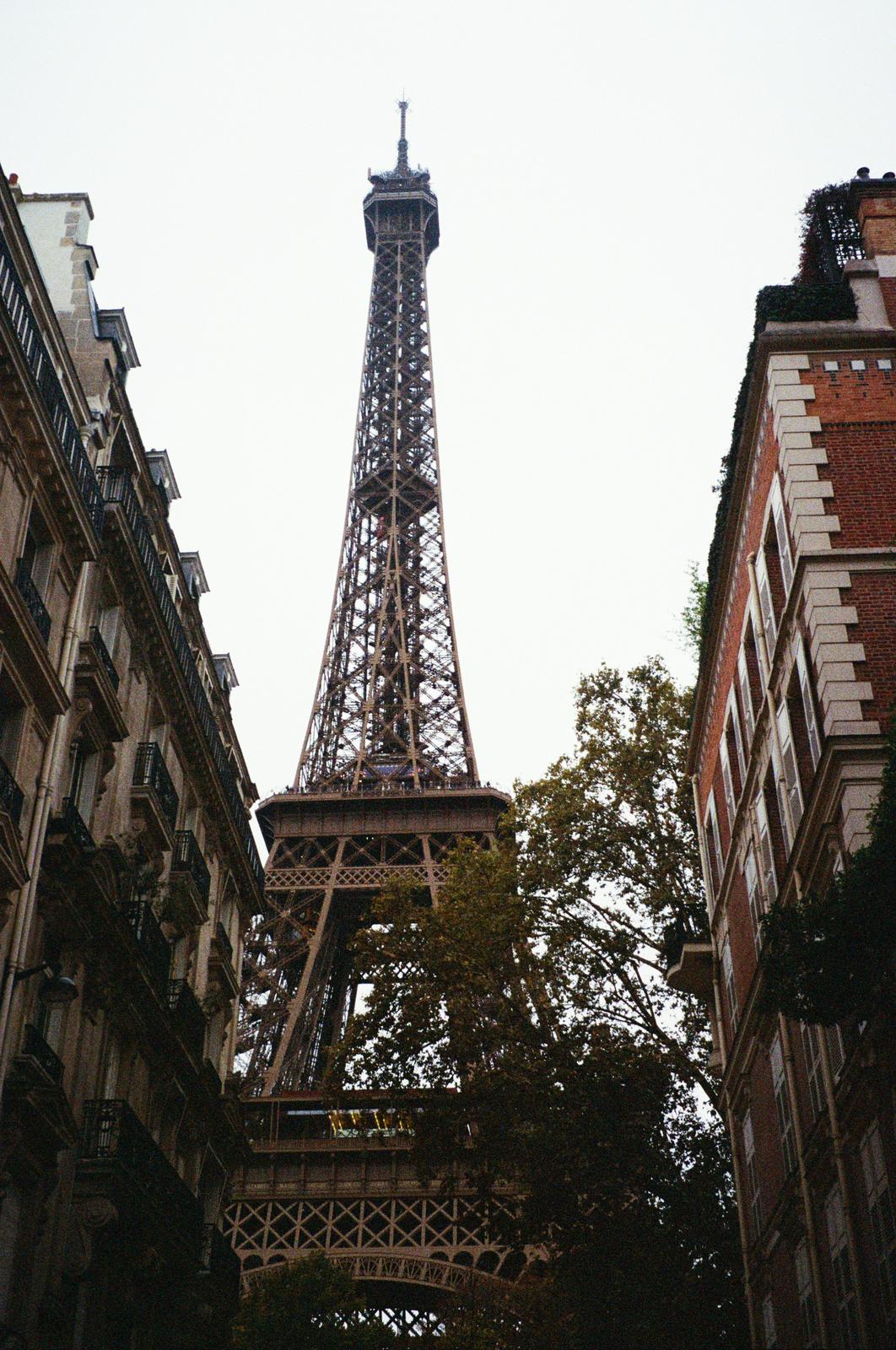
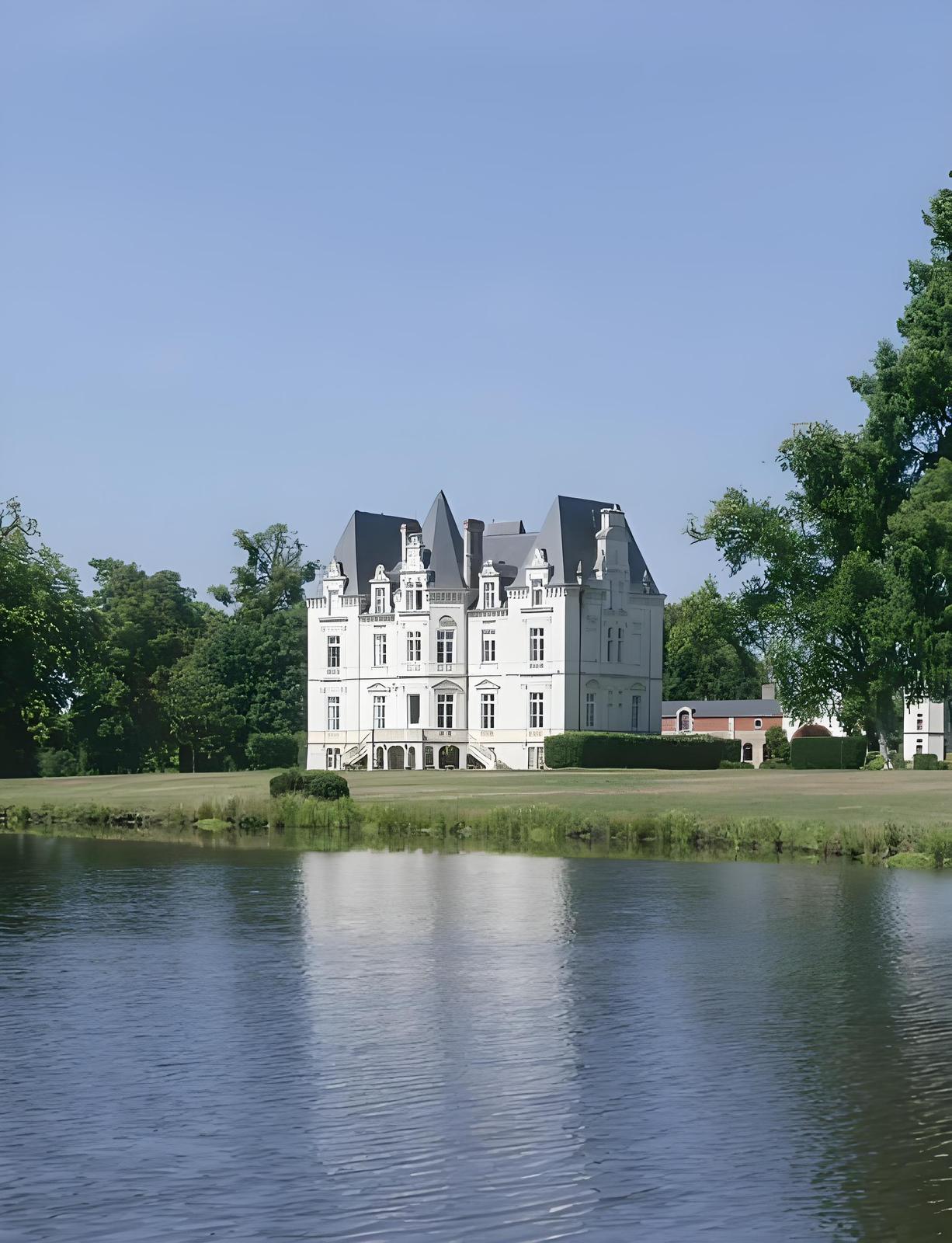
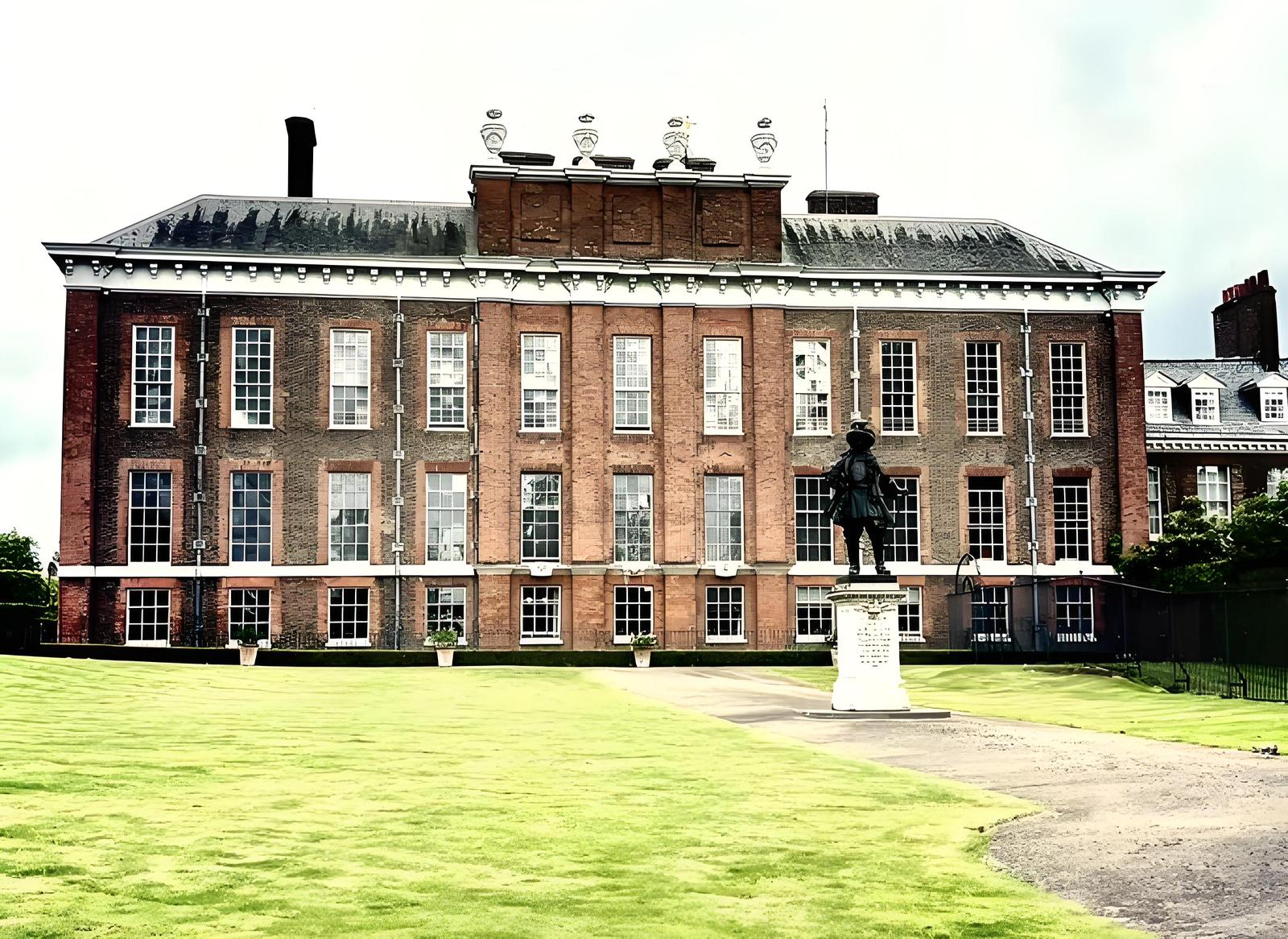
Purchase a Parisian castle
Project Description
I. Market Positioning and Price Range
The French château market is showing a significant recovery trend in 2025. High-end property transactions across France are projected to increase by approximately 201 million transactions in 2025, with foreign buyers rapidly returning to the market. Château and manor properties account for approximately 401 million transactions in the high-end market, indicating extremely strong demand.
In Paris and the Île-de-France region, the castle market is extremely scarce and commands very high premiums:
• In Paris: The average price of ordinary residential properties is about €9,630/㎡, while high-end apartments (7th arrondissement, 6th arrondissement, etc.) of 200㎡ can directly compete for historical landmarks or core areas, with a total price between €5 million and €10 million.
• Within a one-hour commute from Paris: regions such as Essonne, Yvelines, Seine-et-Marne, and Val-d'Oise, castle prices range from €3.5 million to €50 million.
• Price range depends on: the scarcity of the specific location, historical value, land area (including woodland/park/water area), building condition and energy rating.
In contrast, the starting price for renovated castles in the French provinces is extremely low: in Occitanie, the price starts from €180,000, in Brittany from €450,000, and in some rural areas of France, a complete castle with historical protection marks can be purchased for €300,000 to €500,000.
II. Key Market Developments in 2025
1. The macroeconomic environment is improving. The 20-year mortgage rate is expected to drop to approximately 31% per 30 seconds by 2025, significantly increasing the purchasing power of eligible buyers. From 2024 to 2025, annual property sales in France are projected to recover from 777,000 units to approximately 803,000 units, with the total expected to approach 900,000 units for the year, indicating the market is emerging from its trough.
2. Demand for luxury homes in suburbs and rural areas continues to rise. Buyers seeking space, nature, and historical significance have driven demand for rural luxury homes (castles, manors, farm-style properties) at a growth rate of approximately 81 TP3T. Regarding castle properties, in the first quarter of 2025 alone, one national chain real estate agency received 841 inquiries about castle purchases, with buyers from the United States and the United Kingdom being particularly active.
3. New energy efficiency regulations result in significant price reductions. Starting in January 2025, France will ban the rental of homes with an energy efficiency rating of G, directly leading to a price reduction of up to 121 TP3T for properties with energy efficiency ratings of F and G. This change has had a significant impact on the large and older castle market—castles are mostly old buildings with "extremely poor energy performance," making energy renovation particularly costly.
Project Description
I. Market Positioning and Price Range
The French château market is showing a significant recovery trend in 2025. High-end property transactions across France are projected to increase by approximately 201 million transactions in 2025, with foreign buyers rapidly returning to the market. Château and manor properties account for approximately 401 million transactions in the high-end market, indicating extremely strong demand.
In Paris and the Île-de-France region, the castle market is extremely scarce and commands very high premiums:
• In Paris: The average price of ordinary residential properties is about €9,630/㎡, while high-end apartments (7th arrondissement, 6th arrondissement, etc.) of 200㎡ can directly compete for historical landmarks or core areas, with a total price between €5 million and €10 million.
• Within a one-hour commute from Paris: regions such as Essonne, Yvelines, Seine-et-Marne, and Val-d'Oise, castle prices range from €3.5 million to €50 million.
• Price range depends on: the scarcity of the specific location, historical value, land area (including woodland/park/water area), building condition and energy rating.
In contrast, the starting price for renovated castles in the French provinces is extremely low: in Occitanie, the price starts from €180,000, in Brittany from €450,000, and in some rural areas of France, a complete castle with historical protection marks can be purchased for €300,000 to €500,000.
II. Key Market Developments in 2025
1. The macroeconomic environment is improving. The 20-year mortgage rate is expected to drop to approximately 31% per 30 seconds by 2025, significantly increasing the purchasing power of eligible buyers. From 2024 to 2025, annual property sales in France are projected to recover from 777,000 units to approximately 803,000 units, with the total expected to approach 900,000 units for the year, indicating the market is emerging from its trough.
2. Demand for luxury homes in suburbs and rural areas continues to rise. Buyers seeking space, nature, and historical significance have driven demand for rural luxury homes (castles, manors, farm-style properties) at a growth rate of approximately 81 TP3T. Regarding castle properties, in the first quarter of 2025 alone, one national chain real estate agency received 841 inquiries about castle purchases, with buyers from the United States and the United Kingdom being particularly active.
3. New energy efficiency regulations result in significant price reductions. Starting in January 2025, France will ban the rental of homes with an energy efficiency rating of G, directly leading to a price reduction of up to 121 TP3T for properties with energy efficiency ratings of F and G. This change has had a significant impact on the large and older castle market—castles are mostly old buildings with "extremely poor energy performance," making energy renovation particularly costly.
Eligibility & Requirements
Evaluate
I. Advantages
1. Barrier-free home purchase for foreign buyers. There are no restrictions on nationality or property type for foreigners purchasing real estate (including castles) in France. EU citizens and non-EU citizens enjoy the same property ownership rights as French citizens. Purchasing property does not automatically grant residency, but it can support applications for long-term visas or residency permits.
2. A robust legal protection system. French real estate transactions are mandated to involve a notary public. The notary public must trace back at least 30 years of property ownership history and verify any defects in mortgages and easements. If defects in the property ownership are caused by the notary public's negligence, the notary public must compensate the buyer for the losses.
3. Historic buildings enjoy tax incentives. For castles listed as "Monument Historiques," restoration costs of 100% can be deducted from taxable income, provided they are open to the public for at least 40 days each year. Furthermore, properties meeting the criteria of the "Malraux Law" are eligible for a 30% tax credit for restoration costs. Eligible restoration projects can also enjoy a lower VAT rate of 5.5% (instead of the standard 20%).
4. Real estate is viewed as a safe-haven asset. France's elite possess a unique cultural background and international appeal. High-quality properties such as castles, estates, and historic hotels offer stability over the long term and are considered by global investors as investment targets similar to "safe assets."
II. Risk and Cost Warning
1. High one-time transaction costs. For existing secondhand homes (castles are generally classified as "old homes"), notary fees and transfer taxes total approximately 7.71 TP3T–81 TP3T of the transaction price. From April 1, 2025, some departments have added a registration tax of 0.51 TP3T, significantly increasing the costs borne by immediate family buyers; in Paris, for example, the new rates have already been implemented.
For example, if a castle is sold for €5 million, the transaction costs (notary fees + transfer tax + registration fees, etc.) would amount to approximately €385,000 to €400,000. These costs must be recorded as a one-time cash flow and cannot be financed through loans.
2. High renovation and maintenance costs require additional budget allocation. In France, the average estimated cost for renovation projects is €1,700–€2,000 per square meter, while special projects involving historical preservation elements and extremely high craftsmanship requirements can soar to €3,500 per square meter. In castles, a single roof replacement can cost over €200,000. A complete renovation of an 800 square meter castle would cost between €2 million and €4 million, with an estimated timeframe of 18 to 36 months.
For historic castles (MH), any construction must be approved by the French Directorate General for Cultural Affairs (DRAC), and the restoration plan and materials must comply with strict historical preservation regulations, which doubles the cost and time required.
3. High annual holding costs. Foreign buyers of French real estate are required to pay an annual land tax (Taxe Foncière), with a rate of approximately 0.2%–1.2% of the property's theoretical rental value. If the castle is used as a second residence, a "Housing Tax (Taxe d'Habitation)" is also payable; this tax remains in effect for second homes. If the total value of owned French real estate exceeds €1.3 million, foreigners are also required to pay a real estate wealth tax (IFI).
4. Financing is difficult. French banks are cautious about castle-type properties. Castles are considered "non-fungible assets," and if borrowers default, banks find it difficult to quickly liquidate the property on the market. Foreign non-EU buyers typically need to bear higher interest rates or lower loan-to-value ratios, usually requiring a down payment of 20%–30% and a loan-to-value ratio of approximately 50%–70%.
5. The risk of inheritance tax should not be ignored. Even if the heir is not a French resident, French assets (including real estate) are still subject to French inheritance tax. According to the 2025 regulations, each child/grandchild has a €100,000 tax-free allowance; amounts exceeding this are taxed at progressive rates ranging from 5% to 45%. For non-blood-related heirs (such as distant relatives or unrelated third parties), the tax exemption is only €1,594, with a maximum tax rate of 60%. Although there is no tax exemption between spouses/civil partners (PACS), the asset ownership structure must be carefully considered.
6. The Government's "Right of First Refusal" Requires Attention. French public authorities (such as local governments) have a "right of first refusal" for real estate sold directly, meaning they have the right to purchase the property at the price agreed upon by both parties. A "right of first refusal verification" must be completed before the transaction, and this right can affect the validity of the transaction after it is completed.
I. Advantages
1. Barrier-free home purchase for foreign buyers. There are no restrictions on nationality or property type for foreigners purchasing real estate (including castles) in France. EU citizens and non-EU citizens enjoy the same property ownership rights as French citizens. Purchasing property does not automatically grant residency, but it can support applications for long-term visas or residency permits.
2. A robust legal protection system. French real estate transactions are mandated to involve a notary public. The notary public must trace back at least 30 years of property ownership history and verify any defects in mortgages and easements. If defects in the property ownership are caused by the notary public's negligence, the notary public must compensate the buyer for the losses.
3. Historic buildings enjoy tax incentives. For castles listed as "Monument Historiques," restoration costs of 100% can be deducted from taxable income, provided they are open to the public for at least 40 days each year. Furthermore, properties meeting the criteria of the "Malraux Law" are eligible for a 30% tax credit for restoration costs. Eligible restoration projects can also enjoy a lower VAT rate of 5.5% (instead of the standard 20%).
4. Real estate is viewed as a safe-haven asset. France's elite possess a unique cultural background and international appeal. High-quality properties such as castles, estates, and historic hotels offer stability over the long term and are considered by global investors as investment targets similar to "safe assets."
II. Risk and Cost Warning
1. High one-time transaction costs. For existing secondhand homes (castles are generally classified as "old homes"), notary fees and transfer taxes total approximately 7.71 TP3T–81 TP3T of the transaction price. From April 1, 2025, some departments have added a registration tax of 0.51 TP3T, significantly increasing the costs borne by immediate family buyers; in Paris, for example, the new rates have already been implemented.
For example, if a castle is sold for €5 million, the transaction costs (notary fees + transfer tax + registration fees, etc.) would amount to approximately €385,000 to €400,000. These costs must be recorded as a one-time cash flow and cannot be financed through loans.
2. High renovation and maintenance costs require additional budget allocation. In France, the average estimated cost for renovation projects is €1,700–€2,000 per square meter, while special projects involving historical preservation elements and extremely high craftsmanship requirements can soar to €3,500 per square meter. In castles, a single roof replacement can cost over €200,000. A complete renovation of an 800 square meter castle would cost between €2 million and €4 million, with an estimated timeframe of 18 to 36 months.
For historic castles (MH), any construction must be approved by the French Directorate General for Cultural Affairs (DRAC), and the restoration plan and materials must comply with strict historical preservation regulations, which doubles the cost and time required.
3. High annual holding costs. Foreign buyers of French real estate are required to pay an annual land tax (Taxe Foncière), with a rate of approximately 0.2%–1.2% of the property's theoretical rental value. If the castle is used as a second residence, a "Housing Tax (Taxe d'Habitation)" is also payable; this tax remains in effect for second homes. If the total value of owned French real estate exceeds €1.3 million, foreigners are also required to pay a real estate wealth tax (IFI).
4. Financing is difficult. French banks are cautious about castle-type properties. Castles are considered "non-fungible assets," and if borrowers default, banks find it difficult to quickly liquidate the property on the market. Foreign non-EU buyers typically need to bear higher interest rates or lower loan-to-value ratios, usually requiring a down payment of 20%–30% and a loan-to-value ratio of approximately 50%–70%.
5. The risk of inheritance tax should not be ignored. Even if the heir is not a French resident, French assets (including real estate) are still subject to French inheritance tax. According to the 2025 regulations, each child/grandchild has a €100,000 tax-free allowance; amounts exceeding this are taxed at progressive rates ranging from 5% to 45%. For non-blood-related heirs (such as distant relatives or unrelated third parties), the tax exemption is only €1,594, with a maximum tax rate of 60%. Although there is no tax exemption between spouses/civil partners (PACS), the asset ownership structure must be carefully considered.
6. The Government's "Right of First Refusal" Requires Attention. French public authorities (such as local governments) have a "right of first refusal" for real estate sold directly, meaning they have the right to purchase the property at the price agreed upon by both parties. A "right of first refusal verification" must be completed before the transaction, and this right can affect the validity of the transaction after it is completed.
Application Process & Advice
suggestion
Based on the above risk assessment, the following strategies are recommended:
1. Conduct thorough due diligence before purchasing, exceeding the scope of investigation for ordinary residential properties. In addition to a standard structural inspection, it is essential to engage technical experts and historical heritage consultants to conduct the following specialized checks: roof load-bearing and waterproofing systems; stone wall structure and foundation settlement; integrity of antique window woodwork and glazing systems; aging and compliance of HVAC/electricity/drainage/gas systems; mandatory testing for asbestos and lead contamination; and ownership and potential easements of the castle land (including woodlands, parks, and waterways). While a standard structural inspection is not mandatory in France, for high-value historical buildings like castles, an independent third-party inspection is strongly recommended.
2. Reserve sufficient buffer budget from a financial planning perspective. The recommended total budget structure is as follows:
Project budget ratio recommendations
Castle purchase price (including agency fee): 50%–60%
Transaction costs (notary fees + taxes) are 7.71 TP3T – 81 TP3T of the purchase price.
Renovation/Emergency Repair Budget for 30%–50% of the Purchase Price
Annual emergency repair reserve fund is 1%–2%/year of the purchase price.
“A castle bought "cheaply" often means higher maintenance costs; never make an impulsive purchase based on a low price.
3. Select a professional team and clearly define the division of labor. The team should include at least the following roles:
• Bilingual Notary: A French government-appointed public official responsible for handling real estate transactions, including title verification, contract registration, and escrow of funds. Both the buyer and seller can choose their own notary, who will then collaborate to issue the final documents.
• Historical building experts (Architecte des Bâtiments de France): MH-level castle repairs must be undertaken by them or in close collaboration to ensure compliance with conservation requirements;
• Tax lawyer/cross-border wealth planner: Responsible for designing SCI company structures, drafting wills or developing gift plans, and assessing estate tax sensitivities, etc.
• Bilingual real estate agent/property consultant: Assists in searching for properties, negotiating prices, and communicating with sellers.
It is recommended to hold the castle through an SCI (Société Civile Immobilière, a French civil real estate company). This structure allows for multiple shareholders, facilitates estate management, simplifies tax procedures, and is particularly suitable for joint ownership by multiple family members or as a tool for family wealth transfer.
4. Plan your estate and transfer wealth across generations in advance. When foreign buyers own real estate in France, unless they have made effective plans in advance through organization, donation, or a specific will, their immediate descendants will also be liable for France's high inheritance tax. It is recommended to start establishing a "Dutreil Pact" or make a donation that separates ownership from usage rights from the acquisition stage, with the tax exemption credit available every 15 years.
5. Pay attention to energy efficiency ratings and plan your renovation strategy in advance. For castles with energy efficiency ratings of F and G, not only will the selling price be affected, but they may also face future rental bans or restrictions on use. It is recommended to obtain a Diagnostic Energy Performance (DPE) report during due diligence and to prioritize energy efficiency upgrades (insulation systems, heat pump heating, ventilation modifications) in the renovation budget.
6. The waiting period and exit mechanism are crucial. When purchasing property in France, a 10-day legal cooling-off period is granted after signing the "Preliminary Purchase Agreement" (Compromis de Vente), during which the buyer can unilaterally and without liability withdraw. It is recommended to fully utilize this cooling-off period to double-check legal documents and loan terms. Simultaneously, consider exit strategies when selling the estate: if held for 22 years, capital gains tax is completely exempt; after 30 years, social security tax is also completely exempt, making long-term holding beneficial for tax optimization.
Purchase process of a Parisian castle
French real estate transactions are highly structured and conducted entirely by a notary public. The following is the standard procedure (applicable to foreign buyers):
Step 1: Initial communication and budget planning
• Determine the purchase area (Paris city, Paris suburbs within 1 hour, or other provinces), and develop a total budget plan that includes the purchase price, transaction costs, renovation budget, and annual holding expenses;
• Contact a professional high-end real estate agency in France or contact the seller directly;
Consult with professional tax advisors and international lawyers to choose the best holding structure (individual name/SARL/SCI).
• Obtain loan pre-approval notice in advance to clarify the feasibility of financing.
Step 2: Identify the target and issue an offer.
• Send an offer letter (offre d'achat) to the seller or real estate agent, stipulating a timeframe for the seller to accept or propose price modifications;
• If the seller agrees, proceed to the next stage of signing the conditional contract.
Step 3: Sign the pre-sale contract (sign “Compromis de Vente”/“Promesse de Vente”)
• The price, delivery conditions, payment schedule, and exclusion clauses (such as full refund of deposit if loan approval fails) shall be jointly determined by the seller, the buyer, and the notary.
• Buyers are required to pay a deposit of 5%–10%, which will be held in an escrow account opened by a notary public.
• The seller submits a notice of first refusal to the local government (mairie); the government has approximately two months to decide whether to exercise the first refusal right—if not, the transaction can proceed.
• Buyer's 10-day statutory cooling-off/cancellation period: After the pre-sale agreement is concluded, the buyer may unilaterally abandon the purchase within 10 days without reason or cost, and the deposit will be fully refunded;
• If the loan agreement includes a "preconditions" clause and the loan is ultimately denied, the deposit is still refundable.
Step 4: Due Diligence and Legal Compliance Registration (usually 2 to 3 months)
• Notaries conduct comprehensive verification: tracing the property rights chain over the past 30 years, investigating undisclosed mortgages and third-party rights, and reviewing urban planning compliance, potential easement restrictions, and shared ownership, etc.
• If significant defects are discovered (such as a seller without ownership), the notary may be held liable for damages due to alleged negligence.
• For castle historical buildings, the additional time required for the preliminary review of the “Monument Historique” protection scope and construction restrictions may result in a longer processing time.
Step 5: Secure financing (if applicable)
• The buyer obtains a formal letter of intent for a loan from the bank (subject to the terms of the "Compromis de Vente" and the cancellation of the loan upon meeting the loan conditions).
• Deliver the official loan documents to a notary public for copying and filing, and confirm the final signing date.
Step 6: Formal signing of the final sales contract (“Acte de Vente”/“Acte Authentique”)
• Sign the document in the presence of both parties at the notary's office;
The buyer shall pay the remaining balance and notary fees by bank transfer or check;
The notary public will pay the transfer tax, registration fee, and other taxes on behalf of the seller, and after deducting their professional fees, will pay the remaining amount to the seller.
• On-site handover of keys (clés).
Step 7: Registration with the Land Registry and Issuance of Property Documents
• The notary public submits the official documents to the French land registry (Service de la Publicité Foncière), which typically takes one month to complete the registration, ensuring that the buyer's ownership is valid for third parties;
• The buyer obtains a certified copy of the official title deed and the final unsecured asset registration certificate (but the notary retains the original documents);
• The property is protected by French property law after the registration date, and the ownership begins on the date of the formal contract.
Total process time: From signing the Compromis de Vente to completing the final Acte de Vente, it generally takes 2 to 3 months; for castle properties, due to the higher complexity of due diligence (checking the historical preservation status, additional inspections, etc.), it may take 3 to 5 months.
Based on the above risk assessment, the following strategies are recommended:
1. Conduct thorough due diligence before purchasing, exceeding the scope of investigation for ordinary residential properties. In addition to a standard structural inspection, it is essential to engage technical experts and historical heritage consultants to conduct the following specialized checks: roof load-bearing and waterproofing systems; stone wall structure and foundation settlement; integrity of antique window woodwork and glazing systems; aging and compliance of HVAC/electricity/drainage/gas systems; mandatory testing for asbestos and lead contamination; and ownership and potential easements of the castle land (including woodlands, parks, and waterways). While a standard structural inspection is not mandatory in France, for high-value historical buildings like castles, an independent third-party inspection is strongly recommended.
2. Reserve sufficient buffer budget from a financial planning perspective. The recommended total budget structure is as follows:
Project budget ratio recommendations
Castle purchase price (including agency fee): 50%–60%
Transaction costs (notary fees + taxes) are 7.71 TP3T – 81 TP3T of the purchase price.
Renovation/Emergency Repair Budget for 30%–50% of the Purchase Price
Annual emergency repair reserve fund is 1%–2%/year of the purchase price.
“A castle bought "cheaply" often means higher maintenance costs; never make an impulsive purchase based on a low price.
3. Select a professional team and clearly define the division of labor. The team should include at least the following roles:
• Bilingual Notary: A French government-appointed public official responsible for handling real estate transactions, including title verification, contract registration, and escrow of funds. Both the buyer and seller can choose their own notary, who will then collaborate to issue the final documents.
• Historical building experts (Architecte des Bâtiments de France): MH-level castle repairs must be undertaken by them or in close collaboration to ensure compliance with conservation requirements;
• Tax lawyer/cross-border wealth planner: Responsible for designing SCI company structures, drafting wills or developing gift plans, and assessing estate tax sensitivities, etc.
• Bilingual real estate agent/property consultant: Assists in searching for properties, negotiating prices, and communicating with sellers.
It is recommended to hold the castle through an SCI (Société Civile Immobilière, a French civil real estate company). This structure allows for multiple shareholders, facilitates estate management, simplifies tax procedures, and is particularly suitable for joint ownership by multiple family members or as a tool for family wealth transfer.
4. Plan your estate and transfer wealth across generations in advance. When foreign buyers own real estate in France, unless they have made effective plans in advance through organization, donation, or a specific will, their immediate descendants will also be liable for France's high inheritance tax. It is recommended to start establishing a "Dutreil Pact" or make a donation that separates ownership from usage rights from the acquisition stage, with the tax exemption credit available every 15 years.
5. Pay attention to energy efficiency ratings and plan your renovation strategy in advance. For castles with energy efficiency ratings of F and G, not only will the selling price be affected, but they may also face future rental bans or restrictions on use. It is recommended to obtain a Diagnostic Energy Performance (DPE) report during due diligence and to prioritize energy efficiency upgrades (insulation systems, heat pump heating, ventilation modifications) in the renovation budget.
6. The waiting period and exit mechanism are crucial. When purchasing property in France, a 10-day legal cooling-off period is granted after signing the "Preliminary Purchase Agreement" (Compromis de Vente), during which the buyer can unilaterally and without liability withdraw. It is recommended to fully utilize this cooling-off period to double-check legal documents and loan terms. Simultaneously, consider exit strategies when selling the estate: if held for 22 years, capital gains tax is completely exempt; after 30 years, social security tax is also completely exempt, making long-term holding beneficial for tax optimization.
Purchase process of a Parisian castle
French real estate transactions are highly structured and conducted entirely by a notary public. The following is the standard procedure (applicable to foreign buyers):
Step 1: Initial communication and budget planning
• Determine the purchase area (Paris city, Paris suburbs within 1 hour, or other provinces), and develop a total budget plan that includes the purchase price, transaction costs, renovation budget, and annual holding expenses;
• Contact a professional high-end real estate agency in France or contact the seller directly;
Consult with professional tax advisors and international lawyers to choose the best holding structure (individual name/SARL/SCI).
• Obtain loan pre-approval notice in advance to clarify the feasibility of financing.
Step 2: Identify the target and issue an offer.
• Send an offer letter (offre d'achat) to the seller or real estate agent, stipulating a timeframe for the seller to accept or propose price modifications;
• If the seller agrees, proceed to the next stage of signing the conditional contract.
Step 3: Sign the pre-sale contract (sign “Compromis de Vente”/“Promesse de Vente”)
• The price, delivery conditions, payment schedule, and exclusion clauses (such as full refund of deposit if loan approval fails) shall be jointly determined by the seller, the buyer, and the notary.
• Buyers are required to pay a deposit of 5%–10%, which will be held in an escrow account opened by a notary public.
• The seller submits a notice of first refusal to the local government (mairie); the government has approximately two months to decide whether to exercise the first refusal right—if not, the transaction can proceed.
• Buyer's 10-day statutory cooling-off/cancellation period: After the pre-sale agreement is concluded, the buyer may unilaterally abandon the purchase within 10 days without reason or cost, and the deposit will be fully refunded;
• If the loan agreement includes a "preconditions" clause and the loan is ultimately denied, the deposit is still refundable.
Step 4: Due Diligence and Legal Compliance Registration (usually 2 to 3 months)
• Notaries conduct comprehensive verification: tracing the property rights chain over the past 30 years, investigating undisclosed mortgages and third-party rights, and reviewing urban planning compliance, potential easement restrictions, and shared ownership, etc.
• If significant defects are discovered (such as a seller without ownership), the notary may be held liable for damages due to alleged negligence.
• For castle historical buildings, the additional time required for the preliminary review of the “Monument Historique” protection scope and construction restrictions may result in a longer processing time.
Step 5: Secure financing (if applicable)
• The buyer obtains a formal letter of intent for a loan from the bank (subject to the terms of the "Compromis de Vente" and the cancellation of the loan upon meeting the loan conditions).
• Deliver the official loan documents to a notary public for copying and filing, and confirm the final signing date.
Step 6: Formal signing of the final sales contract (“Acte de Vente”/“Acte Authentique”)
• Sign the document in the presence of both parties at the notary's office;
The buyer shall pay the remaining balance and notary fees by bank transfer or check;
The notary public will pay the transfer tax, registration fee, and other taxes on behalf of the seller, and after deducting their professional fees, will pay the remaining amount to the seller.
• On-site handover of keys (clés).
Step 7: Registration with the Land Registry and Issuance of Property Documents
• The notary public submits the official documents to the French land registry (Service de la Publicité Foncière), which typically takes one month to complete the registration, ensuring that the buyer's ownership is valid for third parties;
• The buyer obtains a certified copy of the official title deed and the final unsecured asset registration certificate (but the notary retains the original documents);
• The property is protected by French property law after the registration date, and the ownership begins on the date of the formal contract.
Total process time: From signing the Compromis de Vente to completing the final Acte de Vente, it generally takes 2 to 3 months; for castle properties, due to the higher complexity of due diligence (checking the historical preservation status, additional inspections, etc.), it may take 3 to 5 months.
0 Reviews
Loading reviews...
Unable to load reviews. Please try again later.
No reviews yet. Be the first to write a review!