Buying a castle in Germany
Migration Program Details & Application

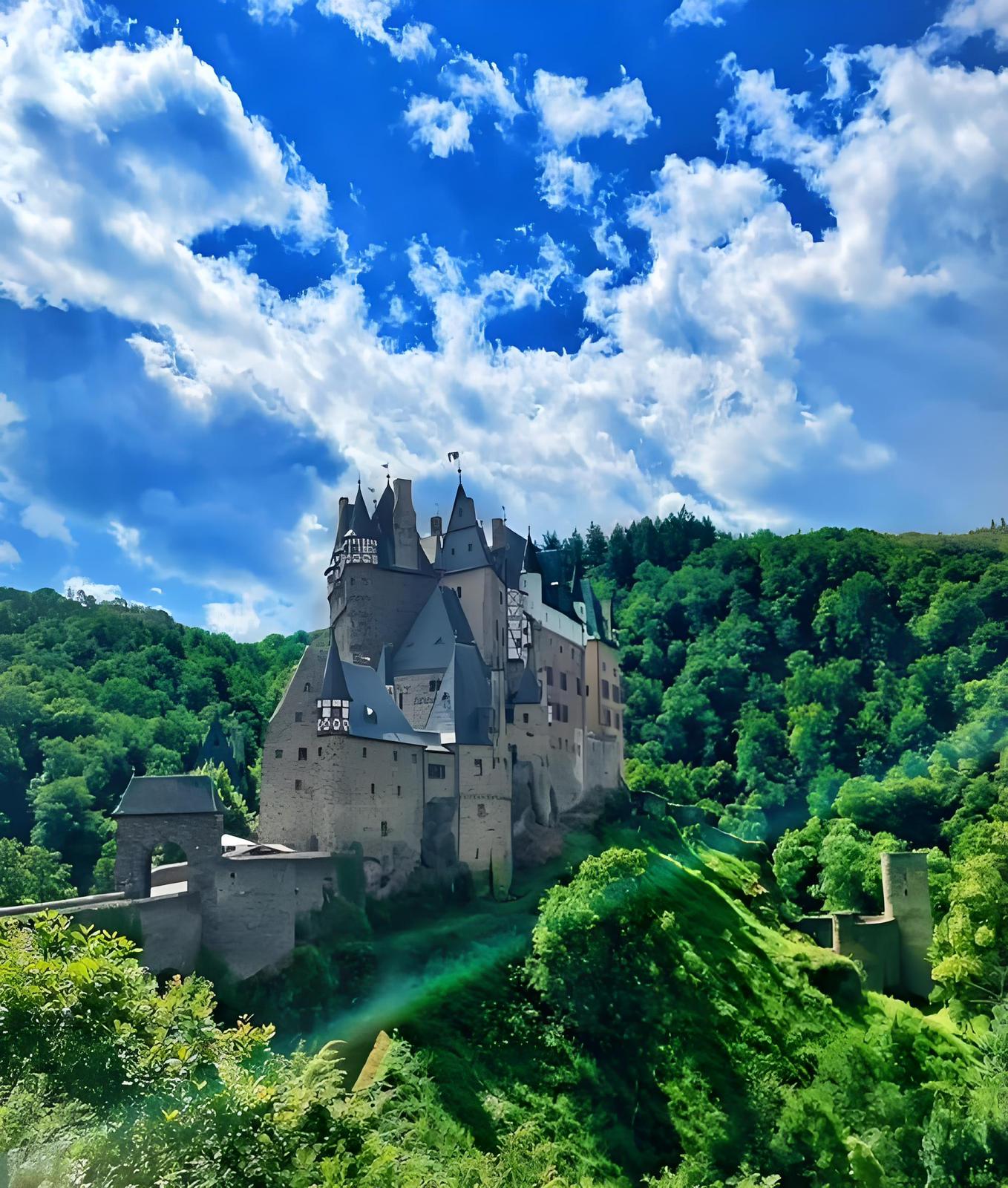

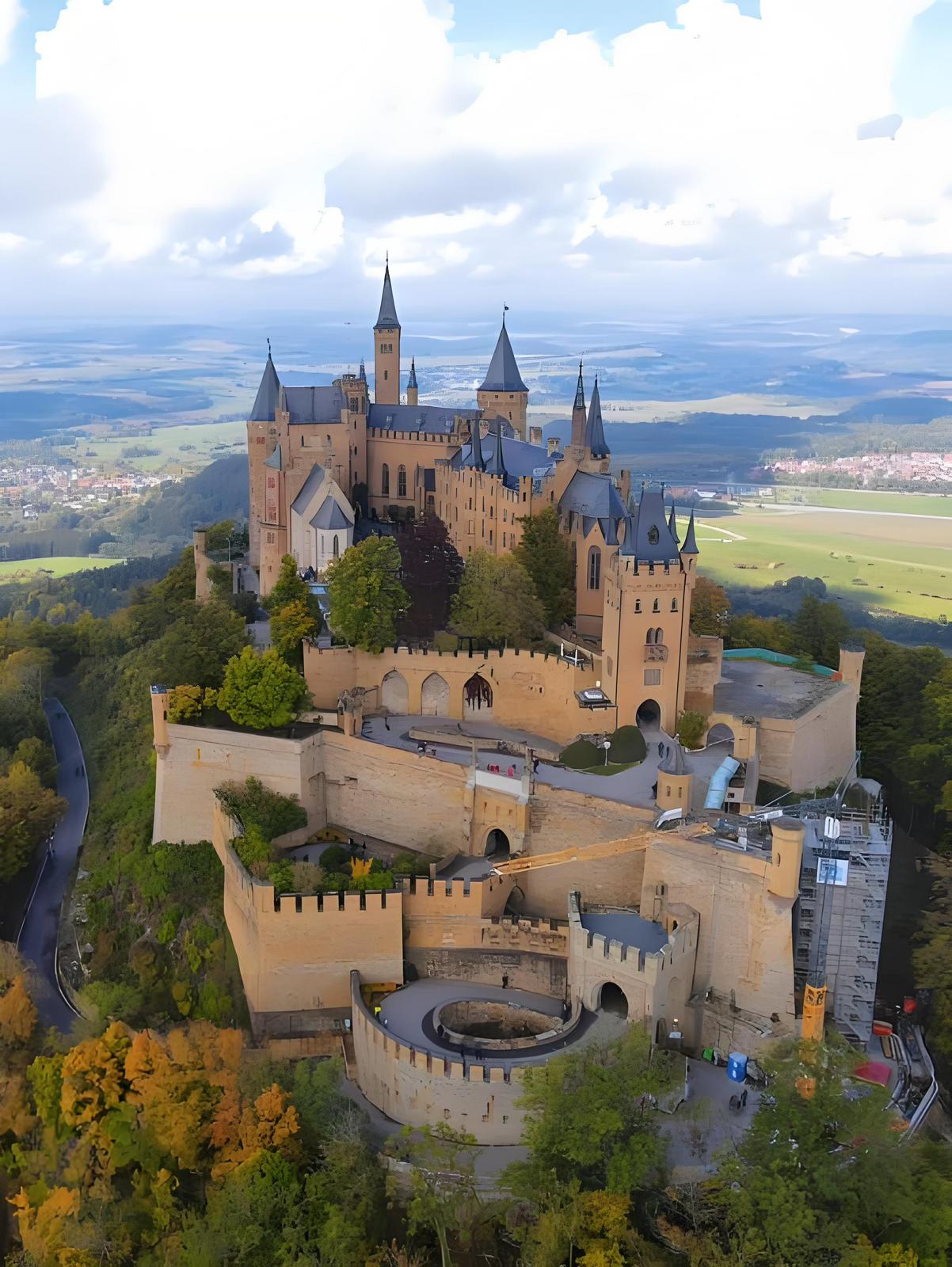


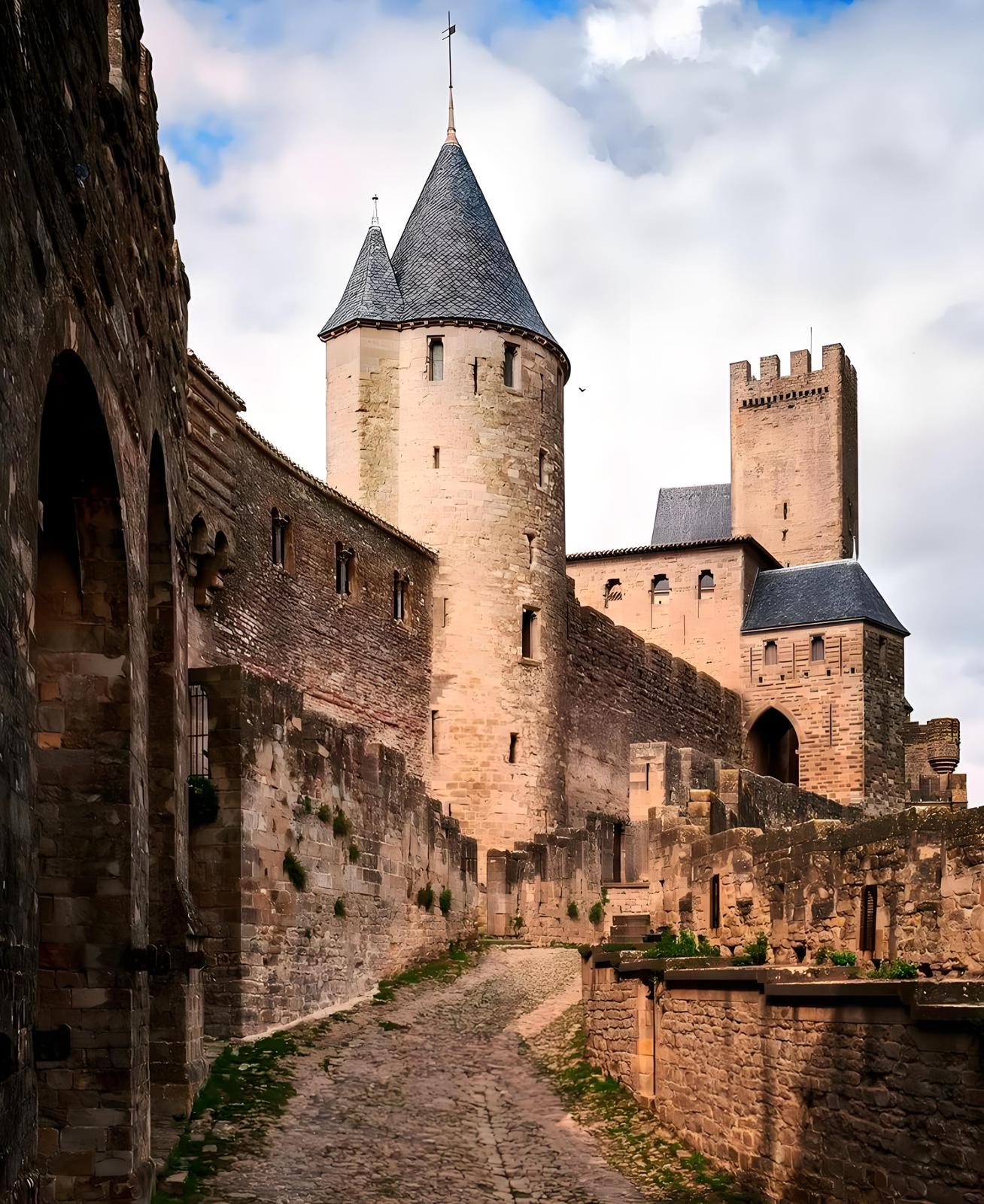
Program Overview
Buy a German castle
Project Description
I. Market Overview
The biggest difference between the German castle market and those of France and Italy lies in the fact that Germany possesses a far larger stock of castles than any other European country, yet its market prices are significantly lower than those in the high-demand French region. According to the German Castle Association, Germany has approximately 25,000 castles and palaces, about two-thirds of which are dilapidated and in poor condition, with only about 5,000 currently suitable for sale. In contrast, France has only about 20,000 castles, but the number available for sale is significantly less than in Germany.
From 2023 to 2025, the European castle market expanded by 561 million tons, but the main driver of growth was the French market. German castles, due to their high inventory and the abundance of alternative assets in Eastern and Northern Europe, experienced a stable overall appreciation trend, resulting in lower investment attractiveness under a unified accounting standard.
The activity of overseas buyers in the German castle market is also significantly lower than the average annual growth rate in Europe. A key indicator for 2025 shows that American buyers account for 30% of total inquiries for European castles, making them the most active buyer group globally. Although the supply of German castles is ample, the promotion efforts targeting Asian buyers are far less aggressive than those in France and Italy. Therefore, when Chinese buyers enter the German castle market, they often lack transparent and reliable information and intermediary channels, relying more on low-priced "bargain castles" gimmicks from social media to attract attention—the actual total cost for most end buyers far exceeds early estimates, highlighting a significant information asymmetry problem.
II. Price Ranges and Regional Classification
The price range for castles in Germany is extremely wide; castles in the same area can vary in price by more than five times depending on their condition, level of preservation, and market popularity. The following are the main price tiers in the current German castle market:
(a) Castles in complete need of renovation (beginner level)
Castles of this level are mainly located in the eastern German states (Brandenburg, Saxony, Saxony-Anhalt, Thuringia, Mecklenburg-Western Pomerania) and the non-central areas of North Rhine-Westphalia, excluding the major cities of Cologne and Düsseldorf. The main structure of the castle can only guarantee basic load-bearing safety; the roofs, windows, electricity, heating, and drainage systems are mostly severely damaged or completely abandoned. Suitable for serious buyers who intend to renovate the entire castle; budget should be limited to the following:
Location type, price range, representing the region
Low entry threshold: €300,000–€800,000 in the outskirts of Thuringia and Saxony
Affordable €500,000–€1,500,000 in remote urban areas of Brandenburg and North Rhine-Westphalia
Specific examples: A condominium in Nobitz, Thuringia, converted from a castle, with 25 residential units listed starting at approximately €292,000 per unit (no buyer's premium), the total price for the entire estate is negotiable. A Renaissance-era castle in Miljolberg, Brandenburg, built on the foundation of a 13th-century fortress, is listed at €1,200,000 (negotiable), with a commission of 4%. It holds significant historical importance, having hosted Emperor Charles IV.
(ii) Castles that have been basically renovated (intermediate level)
These castles are structurally sound, with waterproof roofs, basic energy facilities, and partially renovated interiors. After moving in, buyers only need to make some improvements and modernize the interiors. The maintenance costs are significantly lower than for a fully renovated castle, and some of them also meet the tax incentives for the preservation and renovation of historical buildings.
Regional characteristic price range
In the outskirts of North Rhine-Westphalia, Hesse, and Bavaria, properties ranging from 1000 to 3000 square meters, mostly 3 to 5 stories, with gardens, cost between €1,200,000 and €2,800,000.
Popular East German castle complexes (Saxony, Brandenburg) with exceptional cultural heritage value, rated as moderately restored by local authorities: €800,000–€2,000,000
Case Study: Alverdissen Castle in Barntroupe, North Rhine-Westphalia, 800 sq m living area, three-story layout, with private garden and historic marker, listed at €2,900,000, Sotheby's International. Baroque Castle in Ostwestfalen, East Westphalia, with 77 rooms, 50 bedrooms, 19 bathrooms, 2530 sq m living area, priced at €2,800,000.
(III) High-end collectible/manor-attached castle (premium)
These are mainly concentrated in Bavaria (high-class historical castles around Munich and along the Alps, some with attached vineyards or agricultural assets) and Hesse (aristocratic manor castles around Frankfurt). These castles are mostly completely renovated, their inheritance tax can be planned, and they have a superior historical status, belonging to the category of "Trophy Assets".
Type, Features, Price Range
Commercially operable castle (suitable for weddings, tourism, or hotels), with attached farm, winery, or full hotel facilities. €2,700,000 – €5,000,000+
Top-tier collectible historical sites and cultural heritage sites, highest rating: €5,000,000–€8,000,000+
(iv) The 1 Euro Castle (a cautionary case)
In some parts of Germany, castles have been sold for as little as €1 or a symbolic price. For example, in 2018, Prince Ernst August V of Hanover sold Marienburg Castle in Lower Saxony for €1 because he could no longer afford the exorbitant maintenance costs—reportedly, the new buyer's subsequent repair costs were estimated at around €30 million. This starkly reveals a core paradox in the German castle market: a low selling price does not necessarily equate to low costs; maintenance and renovation expenses often exceed the purchase price by tens of times.
III. Market Dynamics in 2026
1. The overall real estate market is showing a stable trend. After several challenging years, the German real estate market is entering a stable recovery phase in 2026. The high-end real estate market holds a cautiously optimistic view of 2026, with the market no longer focusing on the timing of the bottoming out, but rather on how to build, operate, and finance assets in a more constrained environment. A reduction in the core interest rate to the 4%–5.5% range in 2025 will help boost demand from overseas buyers.
2. Land market prices are driven up by specific demand. Increased demand for defense-related land and buildings is putting pressure on prices for suburban castle woodlands. Land prices meeting security requirements are rising by 15%–30%, which has a ripple effect on the pricing of castles attached to woodlands and private lands.
3. There are no new legislative hurdles beyond tightening foreign buyer policies, but some federal states may implement Vorkaufsrecht (i.e., indigenous people's right of first refusal) for foreign buyers, and the approval process requires submitting information such as the purpose of the purchase and the source of funds to the municipality.
4. Energy reform and historic preservation tax policies have become important factors. New regulations starting in January 2025 are relatively lenient towards historic buildings (they often have exemptions under the GEG Energy Act), while the increased rating requirements for ordinary buildings will create a certain premium gap in the market competitiveness of non-historic castles in the short term. However, the overall price advantage of historic castles will still be maintained under the tax incentive policies for historic castles.
5. The "foreigners' property purchase tax" has not yet been implemented. In early 2025, the German Federal Ministry of Construction proposed a draft bill to impose an additional property purchase tax of up to 15% on non-EU citizens. However, as of April 2026, the proposal had not yet been finalized into law. Although it signaled a tightening of regulations, the current tax rate is still in effect.
Project Description
I. Market Overview
The biggest difference between the German castle market and those of France and Italy lies in the fact that Germany possesses a far larger stock of castles than any other European country, yet its market prices are significantly lower than those in the high-demand French region. According to the German Castle Association, Germany has approximately 25,000 castles and palaces, about two-thirds of which are dilapidated and in poor condition, with only about 5,000 currently suitable for sale. In contrast, France has only about 20,000 castles, but the number available for sale is significantly less than in Germany.
From 2023 to 2025, the European castle market expanded by 561 million tons, but the main driver of growth was the French market. German castles, due to their high inventory and the abundance of alternative assets in Eastern and Northern Europe, experienced a stable overall appreciation trend, resulting in lower investment attractiveness under a unified accounting standard.
The activity of overseas buyers in the German castle market is also significantly lower than the average annual growth rate in Europe. A key indicator for 2025 shows that American buyers account for 30% of total inquiries for European castles, making them the most active buyer group globally. Although the supply of German castles is ample, the promotion efforts targeting Asian buyers are far less aggressive than those in France and Italy. Therefore, when Chinese buyers enter the German castle market, they often lack transparent and reliable information and intermediary channels, relying more on low-priced "bargain castles" gimmicks from social media to attract attention—the actual total cost for most end buyers far exceeds early estimates, highlighting a significant information asymmetry problem.
II. Price Ranges and Regional Classification
The price range for castles in Germany is extremely wide; castles in the same area can vary in price by more than five times depending on their condition, level of preservation, and market popularity. The following are the main price tiers in the current German castle market:
(a) Castles in complete need of renovation (beginner level)
Castles of this level are mainly located in the eastern German states (Brandenburg, Saxony, Saxony-Anhalt, Thuringia, Mecklenburg-Western Pomerania) and the non-central areas of North Rhine-Westphalia, excluding the major cities of Cologne and Düsseldorf. The main structure of the castle can only guarantee basic load-bearing safety; the roofs, windows, electricity, heating, and drainage systems are mostly severely damaged or completely abandoned. Suitable for serious buyers who intend to renovate the entire castle; budget should be limited to the following:
Location type, price range, representing the region
Low entry threshold: €300,000–€800,000 in the outskirts of Thuringia and Saxony
Affordable €500,000–€1,500,000 in remote urban areas of Brandenburg and North Rhine-Westphalia
Specific examples: A condominium in Nobitz, Thuringia, converted from a castle, with 25 residential units listed starting at approximately €292,000 per unit (no buyer's premium), the total price for the entire estate is negotiable. A Renaissance-era castle in Miljolberg, Brandenburg, built on the foundation of a 13th-century fortress, is listed at €1,200,000 (negotiable), with a commission of 4%. It holds significant historical importance, having hosted Emperor Charles IV.
(ii) Castles that have been basically renovated (intermediate level)
These castles are structurally sound, with waterproof roofs, basic energy facilities, and partially renovated interiors. After moving in, buyers only need to make some improvements and modernize the interiors. The maintenance costs are significantly lower than for a fully renovated castle, and some of them also meet the tax incentives for the preservation and renovation of historical buildings.
Regional characteristic price range
In the outskirts of North Rhine-Westphalia, Hesse, and Bavaria, properties ranging from 1000 to 3000 square meters, mostly 3 to 5 stories, with gardens, cost between €1,200,000 and €2,800,000.
Popular East German castle complexes (Saxony, Brandenburg) with exceptional cultural heritage value, rated as moderately restored by local authorities: €800,000–€2,000,000
Case Study: Alverdissen Castle in Barntroupe, North Rhine-Westphalia, 800 sq m living area, three-story layout, with private garden and historic marker, listed at €2,900,000, Sotheby's International. Baroque Castle in Ostwestfalen, East Westphalia, with 77 rooms, 50 bedrooms, 19 bathrooms, 2530 sq m living area, priced at €2,800,000.
(III) High-end collectible/manor-attached castle (premium)
These are mainly concentrated in Bavaria (high-class historical castles around Munich and along the Alps, some with attached vineyards or agricultural assets) and Hesse (aristocratic manor castles around Frankfurt). These castles are mostly completely renovated, their inheritance tax can be planned, and they have a superior historical status, belonging to the category of "Trophy Assets".
Type, Features, Price Range
Commercially operable castle (suitable for weddings, tourism, or hotels), with attached farm, winery, or full hotel facilities. €2,700,000 – €5,000,000+
Top-tier collectible historical sites and cultural heritage sites, highest rating: €5,000,000–€8,000,000+
(iv) The 1 Euro Castle (a cautionary case)
In some parts of Germany, castles have been sold for as little as €1 or a symbolic price. For example, in 2018, Prince Ernst August V of Hanover sold Marienburg Castle in Lower Saxony for €1 because he could no longer afford the exorbitant maintenance costs—reportedly, the new buyer's subsequent repair costs were estimated at around €30 million. This starkly reveals a core paradox in the German castle market: a low selling price does not necessarily equate to low costs; maintenance and renovation expenses often exceed the purchase price by tens of times.
III. Market Dynamics in 2026
1. The overall real estate market is showing a stable trend. After several challenging years, the German real estate market is entering a stable recovery phase in 2026. The high-end real estate market holds a cautiously optimistic view of 2026, with the market no longer focusing on the timing of the bottoming out, but rather on how to build, operate, and finance assets in a more constrained environment. A reduction in the core interest rate to the 4%–5.5% range in 2025 will help boost demand from overseas buyers.
2. Land market prices are driven up by specific demand. Increased demand for defense-related land and buildings is putting pressure on prices for suburban castle woodlands. Land prices meeting security requirements are rising by 15%–30%, which has a ripple effect on the pricing of castles attached to woodlands and private lands.
3. There are no new legislative hurdles beyond tightening foreign buyer policies, but some federal states may implement Vorkaufsrecht (i.e., indigenous people's right of first refusal) for foreign buyers, and the approval process requires submitting information such as the purpose of the purchase and the source of funds to the municipality.
4. Energy reform and historic preservation tax policies have become important factors. New regulations starting in January 2025 are relatively lenient towards historic buildings (they often have exemptions under the GEG Energy Act), while the increased rating requirements for ordinary buildings will create a certain premium gap in the market competitiveness of non-historic castles in the short term. However, the overall price advantage of historic castles will still be maintained under the tax incentive policies for historic castles.
5. The "foreigners' property purchase tax" has not yet been implemented. In early 2025, the German Federal Ministry of Construction proposed a draft bill to impose an additional property purchase tax of up to 15% on non-EU citizens. However, as of April 2026, the proposal had not yet been finalized into law. Although it signaled a tightening of regulations, the current tax rate is still in effect.
Eligibility & Requirements
Evaluate
I. Advantages
1. There are no basic eligibility restrictions for foreign buyers. German law does not impose general restrictions on foreigners purchasing real estate. Any individual with legal capacity (whether or not a German resident) or legal entity can buy and hold German real estate, including foreign individuals and non-EU citizens. A German residence permit or visa is not required to purchase property.
2. The transaction process is highly transparent, with mandatory legal protection provided by notaries. German real estate transactions are subject to mandatory notary (Notar) oversight. Notaries are responsible for the entire process, including title verification, anti-money laundering checks, contract notarization, withholding and paying taxes, and submitting applications to the land registry. Notaries are therefore required to be neutral and impartial in ensuring the fairness of the transaction.
3. Historic buildings enjoy significant tax depreciation benefits. In Germany, castles listed as protected historical sites (Denkmalgeschütztes Gebäude) enjoy special tax breaks:
Application type, renovation cost deduction ratio, deduction period
For rental purposes, 100% can be deducted over 12 years (9% per year for the first 8 years, and 7% per year for the next 4 years).
For owner-occupied properties, 90% can be used as collateral for a 10-year tax credit (9% per year).
Furthermore, buildings constructed before 1925 can be depreciated annually at 2.51 TP3T of purchase cost for 40 years. Compared to France (where the 100 TP3T deduction requires the property to be open to the public for more than 40 days) and Italy (where the 36 TP3T-50 TP3T tax credit is exempt), Germany offers direct tax deductions for both owner-occupied and rental properties, making the process simpler and more straightforward.
4. Long-term capital gains tax exemption is beneficial for long-term holding. In Germany, capital gains tax (Spekulationssteuer) is completely exempt if the property is sold after 10 years; if sold within 10 years, it is taxed at the personal income tax rate (14%–45%). This is a significant advantage for buyers who intend to hold a castle long-term.
5. The commercial operation of castles has considerable revenue potential. German castles can be converted into resort hotels, wedding venues, corporate event centers, etc. Successful cases show that a Chinese businessman purchased a castle in Thuringia at a reasonable price and subsequently resold it for three times the original price due to project adjustments, confirming the premium potential of castle assets under professional management.
6. Germany's economic and political stability drives demand for safe-haven assets. Germany's political stability and transparent legal system create a favorable long-term environment for foreign investors. The 2025 DZ HYP report shows that among German cities suitable for overseas property purchases, areas with concentrated castle assets (Brandenburg, Saxony, and other parts of East Germany) are increasingly attracting foreign buyers seeking "lifestyle investments" due to their low land prices and stable social vitality.
II. Major Risks and Costs
1. Upfront transaction costs are higher than in neighboring countries. Additional transaction costs for purchasing real estate in Germany range from 81.3% to 151.3% of the purchase price, depending on the individual federal state. These mainly include:
Notary fees and land registration fees: approximately 1.51 TP3T–21 TP3T in total.
• Brokerage fee (split equally between buyer and seller), totaling approximately 3.571 TP3T–71 TP3T (brokerage fee to be split equally between both parties from December 2020).
• Real estate transfer tax (Grunderwerbsteuer) 3.5%–6.5%, varies by state.
Real estate transfer tax rates for each federal state (2025):
State tax rates
Bavaria/Saxon 3.5%
Baden-Württemberg / Werder Bremen / Lower Saxony / Rhineland-Palatinate / Saxony-Anhalt 5.0%
Hamburg/Saxon 5.5%
Berlin/Hesse/Mecklenburg-Western Pomerania 6.0%
Brandenburg / North Rhine-Westphalia / Saar / Schleswig-Holstein / Thuringia 6.5%
For example, if you purchase a €1,500,000 castle in Brandenburg (tax rate 6.5%): the property transfer tax would be approximately €97,500. The total transaction cost (including brokerage fees, notary fees, and registration) could range from €150,000 to €225,000.
2. Renovation and maintenance costs are extremely high, and the special techniques required for historic buildings further increase costs. Castle maintenance costs are the biggest financial challenge for German castle buyers.
• Basic building renovation: €1,800–€2,500 per square meter (standard residential), €3,500 and above (increased historical preservation ratio)
• Special techniques for historical preservation: Costs 20%–35% higher than the modernization of ordinary pre-war buildings, because traditional materials and craftsmanship must be used.
• The maximum subsidy for a single commercial-grade energy-saving renovation is €275 per square meter of net building area.
• Tax incentives for historic buildings only apply to measures approved by the heritage protection bureau. Unauthorized construction without approval will not only disqualify the building from tax incentives but may also result in fines.
A single roof replacement at the castle could cost as much as €150,000–€400,000. The fact that Marienburg's initial price of €1 was followed by maintenance costs of up to €30 million illustrates the risks of ignoring renovation costs.
3. The regulations for the protection of historical buildings are strict, leaving very little room for modification.
• All alterations must be approved by the Historic Preservation Bureau and a permit must be obtained before construction can begin – unauthorized construction may result in a fine of up to €60,000, and in the most serious cases, an order to restore the original state may be issued.
• From exterior paint color to window materials, almost all structural changes require written permission.
• Historic preservation in Germany is a matter for the federal states, and the specific regulations vary from state to state.
• Residential castles without significant historical heritage status may be moderately modernized after expert evaluation, but preserving their external appearance remains a strict rule.
4. High inheritance tax risk; extremely low tax exemption for foreign heirs. Germany applies a progressive inheritance tax rate, which depends on the value of the estate and the category of kinship of the heirs.
Tax brackets and tax exemptions (2025):
Tax Class Beneficiary Type Exemption Applicable Tax Rate
Category I spouse/registered partner, children, grandchildren: €500,000 (spouse); €400,000 (children) 7%–30%
Category II Parents, Grandparents, Siblings €20,000 15%–43%
Category III All other beneficiaries (including non-blood relatives and distant relatives) €20,000 30%–50%
For foreign buyers, if the beneficiary of a castle inheritance is not a Category I relative, they may be subject to a maximum inheritance tax of 50%.
5. Loan difficulties are high, with strict down payment requirements for non-EU buyers. Non-EU buyers face stricter conditions when applying for mortgage loans from German banks:
Down payment ratio is generally 20%–40%
Non-EU investors may need to prepare a down payment of 30%–50%.
Banks require proof of stable income and verification of the source of funds, and sometimes require additional documentation such as a German bank account and tax registration.
• Due to the non-standardized nature of castle-type real estate, most banks are more cautious in their loan approval process and often require an independent appraisal report before granting approval.
6. Second home tax (Zweitwohnungsteuer) may increase holding costs. If a castle is registered as a second home (not the primary residence), some cities will levy a second home tax. In Berlin, for example, it is approximately 5% of the gross rental value. The tax rate is determined by state legislation.
7. Annual holding costs: Property tax (Grundsteuer) and operation and maintenance expenses cannot be ignored.
• Starting in 2025, Germany will adopt a new assessment formula for property tax: assessed value × 0.034% (federal tax rate) × local multiplier. The actual annual tax rate is approximately 0.26%–1%, but the actual amount may be higher for castles due to their large land area.
• Annual heating costs for large castles can exceed €40,000, while annual expenses for garden maintenance, security, cleaning, and general repairs typically range from €30,000 to €100,000. The larger the castle, the more exponentially the maintenance costs increase.
I. Advantages
1. There are no basic eligibility restrictions for foreign buyers. German law does not impose general restrictions on foreigners purchasing real estate. Any individual with legal capacity (whether or not a German resident) or legal entity can buy and hold German real estate, including foreign individuals and non-EU citizens. A German residence permit or visa is not required to purchase property.
2. The transaction process is highly transparent, with mandatory legal protection provided by notaries. German real estate transactions are subject to mandatory notary (Notar) oversight. Notaries are responsible for the entire process, including title verification, anti-money laundering checks, contract notarization, withholding and paying taxes, and submitting applications to the land registry. Notaries are therefore required to be neutral and impartial in ensuring the fairness of the transaction.
3. Historic buildings enjoy significant tax depreciation benefits. In Germany, castles listed as protected historical sites (Denkmalgeschütztes Gebäude) enjoy special tax breaks:
Application type, renovation cost deduction ratio, deduction period
For rental purposes, 100% can be deducted over 12 years (9% per year for the first 8 years, and 7% per year for the next 4 years).
For owner-occupied properties, 90% can be used as collateral for a 10-year tax credit (9% per year).
Furthermore, buildings constructed before 1925 can be depreciated annually at 2.51 TP3T of purchase cost for 40 years. Compared to France (where the 100 TP3T deduction requires the property to be open to the public for more than 40 days) and Italy (where the 36 TP3T-50 TP3T tax credit is exempt), Germany offers direct tax deductions for both owner-occupied and rental properties, making the process simpler and more straightforward.
4. Long-term capital gains tax exemption is beneficial for long-term holding. In Germany, capital gains tax (Spekulationssteuer) is completely exempt if the property is sold after 10 years; if sold within 10 years, it is taxed at the personal income tax rate (14%–45%). This is a significant advantage for buyers who intend to hold a castle long-term.
5. The commercial operation of castles has considerable revenue potential. German castles can be converted into resort hotels, wedding venues, corporate event centers, etc. Successful cases show that a Chinese businessman purchased a castle in Thuringia at a reasonable price and subsequently resold it for three times the original price due to project adjustments, confirming the premium potential of castle assets under professional management.
6. Germany's economic and political stability drives demand for safe-haven assets. Germany's political stability and transparent legal system create a favorable long-term environment for foreign investors. The 2025 DZ HYP report shows that among German cities suitable for overseas property purchases, areas with concentrated castle assets (Brandenburg, Saxony, and other parts of East Germany) are increasingly attracting foreign buyers seeking "lifestyle investments" due to their low land prices and stable social vitality.
II. Major Risks and Costs
1. Upfront transaction costs are higher than in neighboring countries. Additional transaction costs for purchasing real estate in Germany range from 81.3% to 151.3% of the purchase price, depending on the individual federal state. These mainly include:
Notary fees and land registration fees: approximately 1.51 TP3T–21 TP3T in total.
• Brokerage fee (split equally between buyer and seller), totaling approximately 3.571 TP3T–71 TP3T (brokerage fee to be split equally between both parties from December 2020).
• Real estate transfer tax (Grunderwerbsteuer) 3.5%–6.5%, varies by state.
Real estate transfer tax rates for each federal state (2025):
State tax rates
Bavaria/Saxon 3.5%
Baden-Württemberg / Werder Bremen / Lower Saxony / Rhineland-Palatinate / Saxony-Anhalt 5.0%
Hamburg/Saxon 5.5%
Berlin/Hesse/Mecklenburg-Western Pomerania 6.0%
Brandenburg / North Rhine-Westphalia / Saar / Schleswig-Holstein / Thuringia 6.5%
For example, if you purchase a €1,500,000 castle in Brandenburg (tax rate 6.5%): the property transfer tax would be approximately €97,500. The total transaction cost (including brokerage fees, notary fees, and registration) could range from €150,000 to €225,000.
2. Renovation and maintenance costs are extremely high, and the special techniques required for historic buildings further increase costs. Castle maintenance costs are the biggest financial challenge for German castle buyers.
• Basic building renovation: €1,800–€2,500 per square meter (standard residential), €3,500 and above (increased historical preservation ratio)
• Special techniques for historical preservation: Costs 20%–35% higher than the modernization of ordinary pre-war buildings, because traditional materials and craftsmanship must be used.
• The maximum subsidy for a single commercial-grade energy-saving renovation is €275 per square meter of net building area.
• Tax incentives for historic buildings only apply to measures approved by the heritage protection bureau. Unauthorized construction without approval will not only disqualify the building from tax incentives but may also result in fines.
A single roof replacement at the castle could cost as much as €150,000–€400,000. The fact that Marienburg's initial price of €1 was followed by maintenance costs of up to €30 million illustrates the risks of ignoring renovation costs.
3. The regulations for the protection of historical buildings are strict, leaving very little room for modification.
• All alterations must be approved by the Historic Preservation Bureau and a permit must be obtained before construction can begin – unauthorized construction may result in a fine of up to €60,000, and in the most serious cases, an order to restore the original state may be issued.
• From exterior paint color to window materials, almost all structural changes require written permission.
• Historic preservation in Germany is a matter for the federal states, and the specific regulations vary from state to state.
• Residential castles without significant historical heritage status may be moderately modernized after expert evaluation, but preserving their external appearance remains a strict rule.
4. High inheritance tax risk; extremely low tax exemption for foreign heirs. Germany applies a progressive inheritance tax rate, which depends on the value of the estate and the category of kinship of the heirs.
Tax brackets and tax exemptions (2025):
Tax Class Beneficiary Type Exemption Applicable Tax Rate
Category I spouse/registered partner, children, grandchildren: €500,000 (spouse); €400,000 (children) 7%–30%
Category II Parents, Grandparents, Siblings €20,000 15%–43%
Category III All other beneficiaries (including non-blood relatives and distant relatives) €20,000 30%–50%
For foreign buyers, if the beneficiary of a castle inheritance is not a Category I relative, they may be subject to a maximum inheritance tax of 50%.
5. Loan difficulties are high, with strict down payment requirements for non-EU buyers. Non-EU buyers face stricter conditions when applying for mortgage loans from German banks:
Down payment ratio is generally 20%–40%
Non-EU investors may need to prepare a down payment of 30%–50%.
Banks require proof of stable income and verification of the source of funds, and sometimes require additional documentation such as a German bank account and tax registration.
• Due to the non-standardized nature of castle-type real estate, most banks are more cautious in their loan approval process and often require an independent appraisal report before granting approval.
6. Second home tax (Zweitwohnungsteuer) may increase holding costs. If a castle is registered as a second home (not the primary residence), some cities will levy a second home tax. In Berlin, for example, it is approximately 5% of the gross rental value. The tax rate is determined by state legislation.
7. Annual holding costs: Property tax (Grundsteuer) and operation and maintenance expenses cannot be ignored.
• Starting in 2025, Germany will adopt a new assessment formula for property tax: assessed value × 0.034% (federal tax rate) × local multiplier. The actual annual tax rate is approximately 0.26%–1%, but the actual amount may be higher for castles due to their large land area.
• Annual heating costs for large castles can exceed €40,000, while annual expenses for garden maintenance, security, cleaning, and general repairs typically range from €30,000 to €100,000. The larger the castle, the more exponentially the maintenance costs increase.
Application Process & Advice
suggestion
I. Planning Ahead Leads to Success: Constructing a Budget Framework that Meets Professional Standards
The most common mistake when buying a German castle is overestimating the purchasing power of existing savings while underestimating the escalating costs of long-term maintenance and renovation. A three-tiered budget management system is recommended:
Recommendation on the proportion of the project cost to the purchase price
Castle purchase price (including agency fee): 55%–65%
Transaction costs (transfer tax + notarization + registration + brokerage fee) of 9%–12% of the purchase price
Repair/emergency maintenance budget: 35%–60% (purchase price)
Annual operating expenses reserve housing purchase price 1%–3%/year
For castles with historical preservation certification, the restoration budget should be appropriately increased, as the special techniques and approval time both result in capital tied up.
II. Assemble a professional team with cross-cultural experience
Purchasing a German castle is far more complex than a standard residential transaction and requires hiring the following professionals:
Notary public: Responsible for contract notarization, tax payment, and land registration application; the legal "core gatekeeper" of the entire transaction process.
• German Real Estate Lawyer (Rechtsanwalt): The notary public is not the buyer's sole agent; the buyer must hire a separate lawyer to review the contract and protect the buyer's rights.
• Tax Advisor (Steuerberater): Provides professional support for the secondary market of castles, estate tax planning, and corporate shareholding structure design.
• Historic building preservation expert (Denkmalpfleger or heritage architect): Guides application approval, controls approval timelines, and ensures material compliance.
• Chartered Surveyor: Conducts multi-dimensional due diligence (structure, historical valuation) and issues a loan assessment report acceptable to the bank.
Third, remain vigilant regarding the "foreigners' right of first refusal" (Vorkaufsrecht).
In 2025, some federal states will require non-EU buyers to obtain prior local approval before purchasing a property. Required documents include: a statement of purpose for purchase (owner-occupied, commercial, or investment); a statement of the source of funds; and confirmation that the entire property will be used. The approval process can take 4–12 weeks and is not guaranteed. It is recommended that a lawyer verify with the local municipality whether any restrictions apply to the property before signing any documents.
IV. Inspect the castle's energy demand gap and make full use of tax incentives.
Historic castles generally enjoy exemptions under the GEG energy law, but in practice, modernization requires a balance between energy efficiency and artistic aesthetics. Following expert consultation, the following arrangements can be made, subject to Denkmal-AfA approval:
• Introduce modern heat pump/biomass heating systems;
• The addition of insulation must use materials compatible with historical protection standards;
• For renewable energy upgrades, consulting funding can be obtained from the German Federal Office for Economic Affairs and Export Control.
Construction cannot commence without approval from the Historic Preservation Bureau—otherwise, tax benefits will be forfeited, and administrative penalties may be imposed. For rental castles, energy efficiency certification and excellent energy efficiency ratings (EPC) can increase rental demand and enhance resale value.
V. Advance Planning for Estate Succession
Germany's inheritance tax has a strict tax bracket system for foreign beneficiaries. The main strategy is:
• Utilize the tax exemption that can be reused every 10 years: make phased gifts to Category I relatives to reduce the final estate valuation;
• A family-owned sole proprietorship (GmbH & Co. KG) or farm corporation can be established for a castle to reduce the total amount of its taxable property;
• Using a specific German property valuation method (an independent market value assessment conducted by a certified valuer) can offset the overestimation by the tax authorities' initial estimate.
Historic castles can also benefit from the exemption from inheritance and gift taxes by applying for the Heritage Tax Exemption Scheme (100%).
VI. Prudently manage exchange rate fluctuations and funding sources
For non-EU buyers, there is often a 3-6 month window between signing the contract and actual payment. Fluctuations in the Euro/CNY exchange rate can easily add an extra 5%–8% to the budget. Recommendation:
• Open an international exchange rate account with foreign exchange locking function in advance or lock a portion of the contract amount through a cross-border brokerage platform;
• All remittances must be made through channels certified by the German Federal Financial Supervisory Authority (BaFin) and must not be made through unauthorized agents.
• When signing the contract with a notary public, a declaration of the legality of the source of funds must be submitted. Violation of the German Anti-Money Laundering Act (GwG) has serious penalties and may affect eligibility to purchase property in Germany.
Process of purchasing a German castle
In Germany, the home-buying process is entirely led by a notary public. There is no grace period for withdrawal before the exchange of contracts as in the British system, nor is there the two-stage contract structure in France. The overall transaction speed is fast, but the document review window is extremely short, and foreign buyers must prepare well in advance.
Phase 1: Financial and Administrative Approval Preparation (4–8 weeks)
• Calculate the total income budget (purchase price + approximately 9%-12% transaction surcharge + 35%-60% renovation fee);
• Obtain a German tax identification number (Steuer-ID) and a registration in the Transparency Register of Foreign Beneficiaries (if the buyer is a legal entity): If a foreign entity directly holds German real estate, it must register the beneficial owner in the Transparency Register; otherwise, the notary public will refuse notarization; [6†L6-L7]
• Contact a German international mortgage broker to obtain preliminary approval in principle for the loan;
• Schedule a viewing with a large, cross-border real estate agency (Sotheby's International Realty, Engel & Völkers, etc.) or on their website (Immobilienscout24, Immunet);
• Submit a Vorkaufsrecht preliminary review application to your local town hall (if applicable).
Phase Two: Quotation and Initial Terms Negotiation (1–4 weeks)
• After the buyer receives the approval, they send a quote to the seller (or through an agent).
• After the price is agreed upon, the buyer's lawyer drafts preliminary transaction terms (financing timetable, project acceptance, due diligence matters, etc.).
Note that German property purchase offers are not strongly binding; all essential terms are finalized during the notarization stage.
Phase 3: Contract preview before notarization appointment (approximately 14 days)
• The buyer selects a notary (usually recommended by the seller, but the buyer also has the right to choose a notary, who acts as a neutral executor and is not limited by who appoints them);
• The notary drafts a draft purchase contract and sends it to both parties by registered mail. The contract is usually more than 20 pages long.
• Consumer protection period of 14 days: The draft contract is delivered at least 14 days before the notarization appointment, giving the buyer ample time to review the contract and consult with lawyers/tax advisors;
• During this period, the buyer's lawyer must complete a check of the land register (Grundbuch) extract (the register traces back to ownership, mortgages, and easements) – and the maximum validity period shall not exceed 3 months, otherwise a new extract must be made.
• Include key terms in the preparation (pre-setting out loan default termination paths, risk clauses for historical protection bureau approval, etc.).
Phase 4: Notary appointment (Beurkundungstermin) (approximately 60–90 minutes)
• The buyer must be present in person. If the buyer is unable to be present, a signed power of attorney (Vollmacht) must be obtained from the German embassy or consulate in the local area and notarized and authenticated.
• The notary public first verifies the identity of all those present (by showing valid passports);
• The entire contract must be read aloud – this is a mandatory requirement under German law;
• Both the buyer and seller may ask questions at any time, and the notary, acting as a neutral advisor, must explain the meaning of all legal terms;
• After confirming that everything is correct, the buyer and seller sign the contract in the presence of a notary, and the notary also signs the contract, which then becomes fully legally binding.
• The notary may simultaneously open an escrow account to collect the purchase price, or instruct the buyer to transfer the purchase price to the seller's account in stages.
Phase 5: Obtaining tax approval and paying property transfer tax (approximately 2–8 weeks)
• The notary public submits the property transaction report to the local tax authority (Finanzamt);
• The tax office assesses the real estate transfer tax (3.5%–6.5%) and issues a tax payment notice;
• The buyer must complete the tax payment within a specified timeframe (usually 4 weeks) after receiving the notification;
• The tax office issues a tax payment certificate (Unbedenklichkeitsbescheinigung), which is a prerequisite for the transfer of ownership.
Phase 6: Settlement of funds and application for registration with the land registry.
• The buyer settles the remaining purchase price through a bank or bank transfer;
• The notary public compiles all the necessary documents (contracts, tax payment certificates, etc.) and formally submits the application for change of ownership to the local land registry (Grundbuchamt);
• Once the registry office verifies that everything is correct, it will register the buyer as the new owner in Section I (Ownership History) of the land register.
Phase 7: Completion and Handover
• At this stage, the seller will hand over the vacant property to the buyer and provide the keys;
• The land registration process usually takes 2–4 weeks, but sometimes it can take up to 8 weeks for castles due to the complexity of historical data.
• Legal ownership transfer is contingent upon completion of registration in the land register. However, after the notarized documents are signed but before registration is completed, the buyer's actual ownership is bound by the notarized contract, and the right to use the property must be agreed upon with the seller on the actual handover date.
Overall Time Frame
Estimated time for each stage
Financial preparation + pre-approval + Vorkaufsrecht preliminary review (4–8 weeks)
Castle search + quote 2–6 months (due to long castle search period)
Draft contract review (14-day statutory appointment period) 2 weeks
Notarized contract signing (on the day of the interview) 1 day
Tax approval + tax payment + fund settlement: 2-8 weeks
Land registration application + formal ownership: 2–8 weeks
From signing the notarized contract to officially completing the land registration, the entire process takes about 3 to 6 months, which is at least 1 to 2 months longer than that of standard urban housing, mainly due to the time-consuming review and approval process for historical sites.
I. Planning Ahead Leads to Success: Constructing a Budget Framework that Meets Professional Standards
The most common mistake when buying a German castle is overestimating the purchasing power of existing savings while underestimating the escalating costs of long-term maintenance and renovation. A three-tiered budget management system is recommended:
Recommendation on the proportion of the project cost to the purchase price
Castle purchase price (including agency fee): 55%–65%
Transaction costs (transfer tax + notarization + registration + brokerage fee) of 9%–12% of the purchase price
Repair/emergency maintenance budget: 35%–60% (purchase price)
Annual operating expenses reserve housing purchase price 1%–3%/year
For castles with historical preservation certification, the restoration budget should be appropriately increased, as the special techniques and approval time both result in capital tied up.
II. Assemble a professional team with cross-cultural experience
Purchasing a German castle is far more complex than a standard residential transaction and requires hiring the following professionals:
Notary public: Responsible for contract notarization, tax payment, and land registration application; the legal "core gatekeeper" of the entire transaction process.
• German Real Estate Lawyer (Rechtsanwalt): The notary public is not the buyer's sole agent; the buyer must hire a separate lawyer to review the contract and protect the buyer's rights.
• Tax Advisor (Steuerberater): Provides professional support for the secondary market of castles, estate tax planning, and corporate shareholding structure design.
• Historic building preservation expert (Denkmalpfleger or heritage architect): Guides application approval, controls approval timelines, and ensures material compliance.
• Chartered Surveyor: Conducts multi-dimensional due diligence (structure, historical valuation) and issues a loan assessment report acceptable to the bank.
Third, remain vigilant regarding the "foreigners' right of first refusal" (Vorkaufsrecht).
In 2025, some federal states will require non-EU buyers to obtain prior local approval before purchasing a property. Required documents include: a statement of purpose for purchase (owner-occupied, commercial, or investment); a statement of the source of funds; and confirmation that the entire property will be used. The approval process can take 4–12 weeks and is not guaranteed. It is recommended that a lawyer verify with the local municipality whether any restrictions apply to the property before signing any documents.
IV. Inspect the castle's energy demand gap and make full use of tax incentives.
Historic castles generally enjoy exemptions under the GEG energy law, but in practice, modernization requires a balance between energy efficiency and artistic aesthetics. Following expert consultation, the following arrangements can be made, subject to Denkmal-AfA approval:
• Introduce modern heat pump/biomass heating systems;
• The addition of insulation must use materials compatible with historical protection standards;
• For renewable energy upgrades, consulting funding can be obtained from the German Federal Office for Economic Affairs and Export Control.
Construction cannot commence without approval from the Historic Preservation Bureau—otherwise, tax benefits will be forfeited, and administrative penalties may be imposed. For rental castles, energy efficiency certification and excellent energy efficiency ratings (EPC) can increase rental demand and enhance resale value.
V. Advance Planning for Estate Succession
Germany's inheritance tax has a strict tax bracket system for foreign beneficiaries. The main strategy is:
• Utilize the tax exemption that can be reused every 10 years: make phased gifts to Category I relatives to reduce the final estate valuation;
• A family-owned sole proprietorship (GmbH & Co. KG) or farm corporation can be established for a castle to reduce the total amount of its taxable property;
• Using a specific German property valuation method (an independent market value assessment conducted by a certified valuer) can offset the overestimation by the tax authorities' initial estimate.
Historic castles can also benefit from the exemption from inheritance and gift taxes by applying for the Heritage Tax Exemption Scheme (100%).
VI. Prudently manage exchange rate fluctuations and funding sources
For non-EU buyers, there is often a 3-6 month window between signing the contract and actual payment. Fluctuations in the Euro/CNY exchange rate can easily add an extra 5%–8% to the budget. Recommendation:
• Open an international exchange rate account with foreign exchange locking function in advance or lock a portion of the contract amount through a cross-border brokerage platform;
• All remittances must be made through channels certified by the German Federal Financial Supervisory Authority (BaFin) and must not be made through unauthorized agents.
• When signing the contract with a notary public, a declaration of the legality of the source of funds must be submitted. Violation of the German Anti-Money Laundering Act (GwG) has serious penalties and may affect eligibility to purchase property in Germany.
Process of purchasing a German castle
In Germany, the home-buying process is entirely led by a notary public. There is no grace period for withdrawal before the exchange of contracts as in the British system, nor is there the two-stage contract structure in France. The overall transaction speed is fast, but the document review window is extremely short, and foreign buyers must prepare well in advance.
Phase 1: Financial and Administrative Approval Preparation (4–8 weeks)
• Calculate the total income budget (purchase price + approximately 9%-12% transaction surcharge + 35%-60% renovation fee);
• Obtain a German tax identification number (Steuer-ID) and a registration in the Transparency Register of Foreign Beneficiaries (if the buyer is a legal entity): If a foreign entity directly holds German real estate, it must register the beneficial owner in the Transparency Register; otherwise, the notary public will refuse notarization; [6†L6-L7]
• Contact a German international mortgage broker to obtain preliminary approval in principle for the loan;
• Schedule a viewing with a large, cross-border real estate agency (Sotheby's International Realty, Engel & Völkers, etc.) or on their website (Immobilienscout24, Immunet);
• Submit a Vorkaufsrecht preliminary review application to your local town hall (if applicable).
Phase Two: Quotation and Initial Terms Negotiation (1–4 weeks)
• After the buyer receives the approval, they send a quote to the seller (or through an agent).
• After the price is agreed upon, the buyer's lawyer drafts preliminary transaction terms (financing timetable, project acceptance, due diligence matters, etc.).
Note that German property purchase offers are not strongly binding; all essential terms are finalized during the notarization stage.
Phase 3: Contract preview before notarization appointment (approximately 14 days)
• The buyer selects a notary (usually recommended by the seller, but the buyer also has the right to choose a notary, who acts as a neutral executor and is not limited by who appoints them);
• The notary drafts a draft purchase contract and sends it to both parties by registered mail. The contract is usually more than 20 pages long.
• Consumer protection period of 14 days: The draft contract is delivered at least 14 days before the notarization appointment, giving the buyer ample time to review the contract and consult with lawyers/tax advisors;
• During this period, the buyer's lawyer must complete a check of the land register (Grundbuch) extract (the register traces back to ownership, mortgages, and easements) – and the maximum validity period shall not exceed 3 months, otherwise a new extract must be made.
• Include key terms in the preparation (pre-setting out loan default termination paths, risk clauses for historical protection bureau approval, etc.).
Phase 4: Notary appointment (Beurkundungstermin) (approximately 60–90 minutes)
• The buyer must be present in person. If the buyer is unable to be present, a signed power of attorney (Vollmacht) must be obtained from the German embassy or consulate in the local area and notarized and authenticated.
• The notary public first verifies the identity of all those present (by showing valid passports);
• The entire contract must be read aloud – this is a mandatory requirement under German law;
• Both the buyer and seller may ask questions at any time, and the notary, acting as a neutral advisor, must explain the meaning of all legal terms;
• After confirming that everything is correct, the buyer and seller sign the contract in the presence of a notary, and the notary also signs the contract, which then becomes fully legally binding.
• The notary may simultaneously open an escrow account to collect the purchase price, or instruct the buyer to transfer the purchase price to the seller's account in stages.
Phase 5: Obtaining tax approval and paying property transfer tax (approximately 2–8 weeks)
• The notary public submits the property transaction report to the local tax authority (Finanzamt);
• The tax office assesses the real estate transfer tax (3.5%–6.5%) and issues a tax payment notice;
• The buyer must complete the tax payment within a specified timeframe (usually 4 weeks) after receiving the notification;
• The tax office issues a tax payment certificate (Unbedenklichkeitsbescheinigung), which is a prerequisite for the transfer of ownership.
Phase 6: Settlement of funds and application for registration with the land registry.
• The buyer settles the remaining purchase price through a bank or bank transfer;
• The notary public compiles all the necessary documents (contracts, tax payment certificates, etc.) and formally submits the application for change of ownership to the local land registry (Grundbuchamt);
• Once the registry office verifies that everything is correct, it will register the buyer as the new owner in Section I (Ownership History) of the land register.
Phase 7: Completion and Handover
• At this stage, the seller will hand over the vacant property to the buyer and provide the keys;
• The land registration process usually takes 2–4 weeks, but sometimes it can take up to 8 weeks for castles due to the complexity of historical data.
• Legal ownership transfer is contingent upon completion of registration in the land register. However, after the notarized documents are signed but before registration is completed, the buyer's actual ownership is bound by the notarized contract, and the right to use the property must be agreed upon with the seller on the actual handover date.
Overall Time Frame
Estimated time for each stage
Financial preparation + pre-approval + Vorkaufsrecht preliminary review (4–8 weeks)
Castle search + quote 2–6 months (due to long castle search period)
Draft contract review (14-day statutory appointment period) 2 weeks
Notarized contract signing (on the day of the interview) 1 day
Tax approval + tax payment + fund settlement: 2-8 weeks
Land registration application + formal ownership: 2–8 weeks
From signing the notarized contract to officially completing the land registration, the entire process takes about 3 to 6 months, which is at least 1 to 2 months longer than that of standard urban housing, mainly due to the time-consuming review and approval process for historical sites.
0 Reviews
Loading reviews...
Unable to load reviews. Please try again later.
No reviews yet. Be the first to write a review!