Buying a castle in Austria
Migration Program Details & Application

Program Overview
Buy an Austrian castle
Project Description
I. A Unique Profile of the Austrian Castle Market in the Global Landscape
The core characteristics of the Austrian castle market can be summarized as "supply falling short of demand, and meticulous conservatism." Compared to France (approximately 20,000 castles, with thousands listed annually), the total number of castles in Austria is significantly smaller, and the actual number entering the market is extremely limited. Austrian castles are mainly located in scenic and historically rich areas around Vienna (Lower Austria), the Salzkammergut region (Upper Austria), Styria, and Carinthia. Most of these properties have been held by traditional aristocratic families for generations before entering the market for the first time, unlike the frequently changing hands castle assets common in the French market.
2026 High-End Market Overview: Luxury property prices in Austria start at €406,000 and can reach as high as €81,500,000, with an average transaction value of approximately €2,165,572. The Austrian luxury real estate market has demonstrated resilience during the crisis.
II. Market Supply Patterns – Three-Tier Classification of Austrian Castles
First level: Historic palaces and royal heritage (top tier)
These castles are the "kings" of the Austrian castle market, typically benefiting from the rich historical legacy of the Austrian Habsburg dynasty. A prime example is Schönau Castle, located about 30 minutes south of Vienna—built in 1895 and formerly the summer hunting lodge of Habsburg heir Otto von Habsburg, this 320-acre castle was initially listed for sale at €33,000,000.
Second level: Well-preserved medium-sized castles (mainly for circulation)
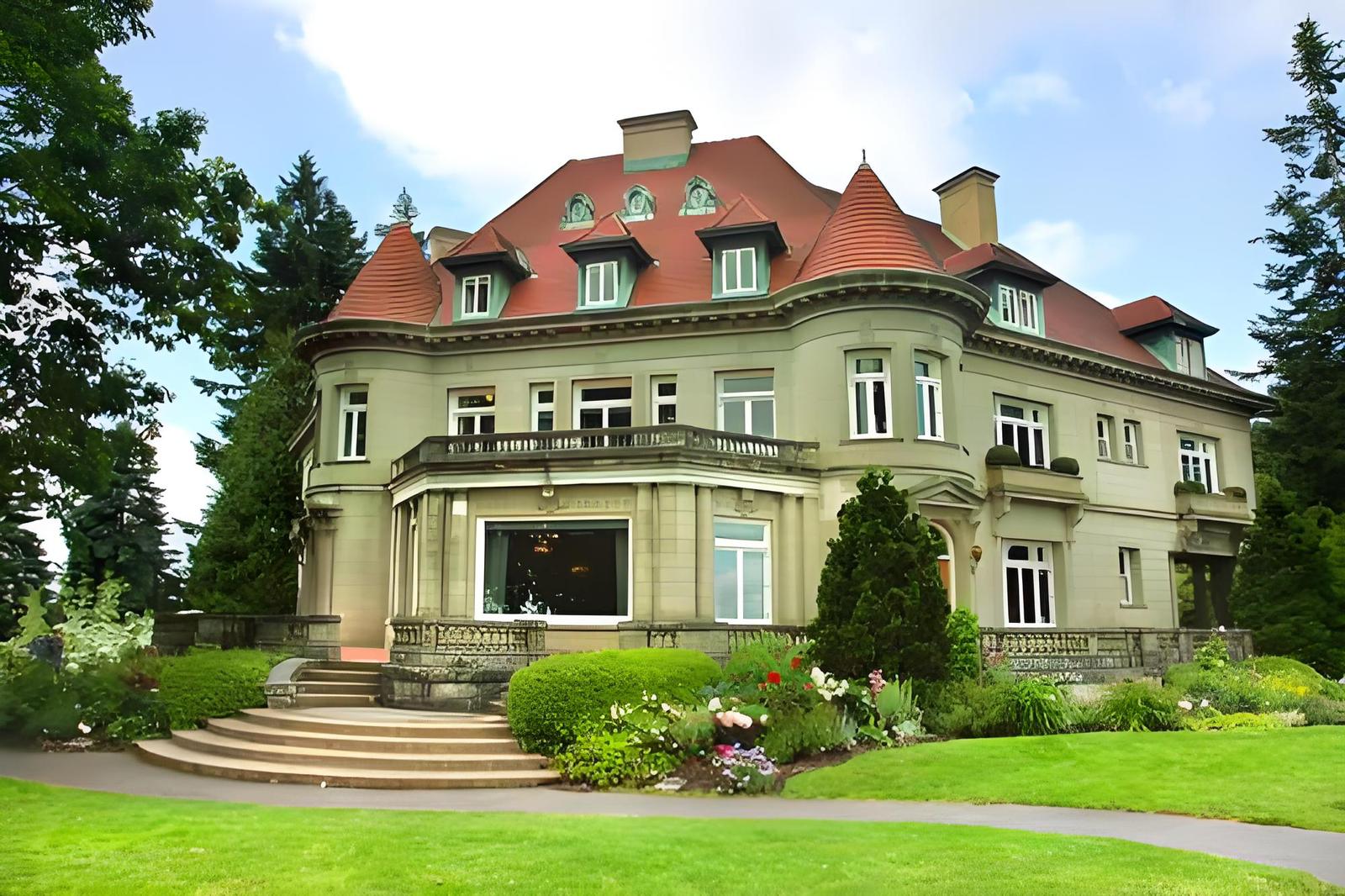
These types of castles dominate the Austrian castle market. Most are palatial estates built in the 18th and 19th centuries, ranging from approximately 500 to 2,000 square meters, with accompanying private land, gardens, woodlands, and even rated facilities such as tennis courts, golf courses, and hotels, ranging from several to tens of hectares. For example, one estate-style castle located in central Austria (near Vienna) includes 30 hectares of parkland, a golf course, and a 20-meter swimming pool. Castle Windern in Upper Austria, with approximately 900 square meters of land and over 27,362 square meters (approximately 6.8 acres), is listed for approximately £3,926,100.
The third tier: small country estates and traditional castle dwellings (most attractive to small and medium-sized overseas investors).
This represents the most entry-level buyer-friendly segment of the Austrian castle market. A four-story modern country estate of approximately 950 square meters (actually built in 2021) near Völkermarkt in Carinthia, situated on approximately 20.6 hectares of completely private land, is described as a personal "panoramic private estate." While the price has not been disclosed, it has attracted considerable inquiries in the luxury property market.
III. Key Market Developments in 2025-2026
1. The high-end real estate market is "stable and resilient." Despite facing economic contraction in 2025–2026, Austria's luxury property market remains resilient, with castles serving as a traditional medium for preserving wealth.
2. Market growth is moderate but sustainable. Between 2024 and 2028, the overall CAGR of the Austrian real estate market is projected at 2.031 TP3T, with a total growth rate of 10.551 TP3T. The economic background is stable, and the main demand driver for castle properties is lifestyle-oriented rather than purely speculative. Compared to other countries, there is less irregular activity related to "pre-sale property speculation."
3. Investment attractiveness is in a period of low adjustment. The 2026 EY Trend Barometer shows that only 5% international real estate investors rated Austria as "very attractive." The tight financing environment in the broader real estate investment market beyond castles constrains buyers who rely on loans to purchase castles, but also means a limited number of competing buyers and greater room for negotiation.
4. High overall maintenance costs and scarcity of renovation projects. Unlike France and Germany, where castles can be purchased in large quantities at low prices, in the Austrian market, once a castle has been fully renovated, it is difficult to find a suitable buyer at that price point who is looking for in-depth renovation projects.
Project Description
I. A Unique Profile of the Austrian Castle Market in the Global Landscape
The core characteristics of the Austrian castle market can be summarized as "supply falling short of demand, and meticulous conservatism." Compared to France (approximately 20,000 castles, with thousands listed annually), the total number of castles in Austria is significantly smaller, and the actual number entering the market is extremely limited. Austrian castles are mainly located in scenic and historically rich areas around Vienna (Lower Austria), the Salzkammergut region (Upper Austria), Styria, and Carinthia. Most of these properties have been held by traditional aristocratic families for generations before entering the market for the first time, unlike the frequently changing hands castle assets common in the French market.
2026 High-End Market Overview: Luxury property prices in Austria start at €406,000 and can reach as high as €81,500,000, with an average transaction value of approximately €2,165,572. The Austrian luxury real estate market has demonstrated resilience during the crisis.
II. Market Supply Patterns – Three-Tier Classification of Austrian Castles
First level: Historic palaces and royal heritage (top tier)
These castles are the "kings" of the Austrian castle market, typically benefiting from the rich historical legacy of the Austrian Habsburg dynasty. A prime example is Schönau Castle, located about 30 minutes south of Vienna—built in 1895 and formerly the summer hunting lodge of Habsburg heir Otto von Habsburg, this 320-acre castle was initially listed for sale at €33,000,000.
Second level: Well-preserved medium-sized castles (mainly for circulation)
These types of castles dominate the Austrian castle market. Most are palatial estates built in the 18th and 19th centuries, ranging from approximately 500 to 2,000 square meters, with accompanying private land, gardens, woodlands, and even rated facilities such as tennis courts, golf courses, and hotels, ranging from several to tens of hectares. For example, one estate-style castle located in central Austria (near Vienna) includes 30 hectares of parkland, a golf course, and a 20-meter swimming pool. Castle Windern in Upper Austria, with approximately 900 square meters of land and over 27,362 square meters (approximately 6.8 acres), is listed for approximately £3,926,100.
The third tier: small country estates and traditional castle dwellings (most attractive to small and medium-sized overseas investors).
This represents the most entry-level buyer-friendly segment of the Austrian castle market. A four-story modern country estate of approximately 950 square meters (actually built in 2021) near Völkermarkt in Carinthia, situated on approximately 20.6 hectares of completely private land, is described as a personal "panoramic private estate." While the price has not been disclosed, it has attracted considerable inquiries in the luxury property market.
III. Key Market Developments in 2025-2026
1. The high-end real estate market is "stable and resilient." Despite facing economic contraction in 2025–2026, Austria's luxury property market remains resilient, with castles serving as a traditional medium for preserving wealth.
2. Market growth is moderate but sustainable. Between 2024 and 2028, the overall CAGR of the Austrian real estate market is projected at 2.031 TP3T, with a total growth rate of 10.551 TP3T. The economic background is stable, and the main demand driver for castle properties is lifestyle-oriented rather than purely speculative. Compared to other countries, there is less irregular activity related to "pre-sale property speculation."
3. Investment attractiveness is in a period of low adjustment. The 2026 EY Trend Barometer shows that only 5% international real estate investors rated Austria as "very attractive." The tight financing environment in the broader real estate investment market beyond castles constrains buyers who rely on loans to purchase castles, but also means a limited number of competing buyers and greater room for negotiation.
4. High overall maintenance costs and scarcity of renovation projects. Unlike France and Germany, where castles can be purchased in large quantities at low prices, in the Austrian market, once a castle has been fully renovated, it is difficult to find a suitable buyer at that price point who is looking for in-depth renovation projects.
Eligibility & Requirements
Evaluate
I. Advantages
1. The location offers exceptional advantages, allowing for both comfortable living and investment. Austria is situated in the heart of Europe and is a core country in the Schengen Area. Castle properties often boast views of the Alps and are only a 20-40 minute drive from cultural centers such as Vienna and Salzburg. Castles are also a rare and highly profitable use in the cultural tourism industry (wedding venues, luxury guesthouses, private cultural festivals, etc.).
2. No inheritance tax – This is one of Austria's biggest institutional advantages compared to other European countries. Austria abolished separate inheritance and gift taxes (inheritance tax) on August 1, 2008. No additional inheritance tax is payable when transferring a castle to a relative or heir.
3. Historic buildings enjoy strong tax depreciation incentives (Denkmal-AfA). For castles listed as protected buildings, renovation costs can enjoy substantial tax deductions depending on the type of use:
Type of use, deductible percentage, deductible period, average annual deduction rate
Rental/Commercial Use: 100%; 8 years prior: 9%; 9–12 years prior: 7% (compared to former France and Italy).
Owner-occupied use 90% 10 years per year 9%
For approved renovation costs of €100,000, an annual taxable income deduction of €9,000 is possible. If the property is leased out, the annual deduction can be even higher in some cases, far exceeding the preferential treatment offered under similar regulations in Italy and Germany.
4. The overall costs, including property transfer tax and stamp duty, are predictable and controllable. The property transfer tax (Grunderwerbsteuer) is fixed at 3.51 TP3T of the purchase price, and the land registration fee is approximately 1.11 TP3T. The total transaction costs are significantly lower than those in France (71 TP3T–81 TP3T) and the UK (over 121 TP3T or more for overseas buyers and second homes).
5. Mid-sized castle assets have relatively stable values and no risk of collapse. Due to the scarcity of supply in the Austrian castle market and the fact that most buyers are aiming for long-term owner-occupancy or family inheritance, castle prices are more stable than in many other countries, and the price decline during the 2008 financial crisis was less than that of Italian and French castles.
6. Federal and state governments provide subsidies for the renovation of protected buildings. The Austrian Federal Government allocates approximately €63 million annually through the "Burghauptmannschaft Österreich" for the operation and maintenance of historic buildings. Styria allocates approximately €1.4 million annually from its revitalization fund for specific grants to historic buildings.
II. Major Risks and Costs
1. Non-EU/EEA citizens must obtain approval from the local land transfer authority – this is the biggest legal hurdle to purchasing an Austrian castle. EU and EEA citizens generally enjoy the same rights as Austrian citizens and are not subject to approval. However, non-EU/EEA citizens (including Chinese citizens) must obtain official approval from the local federal state land transfer commission (Grundverkehrsbehörde) before purchasing any real estate (including castles). Approval requires meeting the "specific interest" requirement, such as long-term residency intentions, commercial investment interests, or other special contributions to Austria. If a contract is signed without approval, not only can the contract be voided, but fines may also be imposed. The land transfer laws of each federal state differ in detail, causing significant administrative delays.
2. The renovation and maintenance of historic buildings are extremely expensive—an additional premium of 20% to 35% is commonplace. Historic buildings must use traditional hand-masonry techniques and exclusive materials that meet cultural heritage protection requirements, making modernization 20%–35% more expensive than ordinary pre-war buildings. In the Vienna area alone, the renovation of a historic villa in Hermesvilla has been repeatedly delayed due to costs exceeding the budget. For a castle of 1,000 to 2,000 square meters, external fixed maintenance alone can cost between €1 million and €5 million; a complete renovation can cost tens of millions of euros.
3. The administrative approval process is cumbersome and unpredictable.
• The land transfer approval process for foreign buyers purchasing castles takes much longer than for standard residential properties (usually 3–6 months or even longer).
• Historic preservation and restoration must be approved by the Federal Office for the Preservation of Historic Sites in advance and a detailed heritage preservation and restoration plan must be signed; unauthorized alterations to the facade or partial renovations will not only disqualify individuals from enjoying tax benefits, but may also result in orders to restore the original state and fines.
Differences in approval practices between federal states result in significant variations in the timeliness and success rate of approvals across states.
4. Loan thresholds are high, and financing channels for castle properties are relatively limited. When international investors purchase historic buildings, Austrian banks typically require higher down payments (30%–50%). The distinctive nature of castles makes the bank valuation process particularly slow, and fewer banks accept castles as collateral. Loan-to-value ratios usually fluctuate between 50% and 70%. Furthermore, the overall market for castle buyers is only around 5%. International investors consider it "very attractive," making financing from banks significantly less readily available than for ordinary residential properties.
5. Although the annual holding cost is lower than in most European countries, it should not be ignored.
• Land tax (Grundsteuer): The annual base amount is relatively low (approximately €250 to €1,000), and it is subject to local tax rates, making it a light burden.
• Castle operating costs: These include heating, garden maintenance, property staff salaries, security systems, and routine repairs, typically ranging from at least €10,000 to €40,000 per year, with larger castles often exceeding €100,000.
• Property insurance: Castle building insurance rates are higher than those for ordinary residences, with annual premiums generally between €1,000 and €3,000. For larger castles and those with extremely high restoration costs, the premiums can be several times higher.
6. Austria's Foreign Investment Review (FDI) framework may affect the "company purchase of a castle" scheme. If a foreign buyer purchases a castle through a corporate entity, and the amount involved significantly exceeds a certain threshold, it will need to be declared in accordance with the Foreign Investment Control Act (ICA). Austria's foreign investment review system employs a two-tiered structure of "security and public order testing." Chinese buyers wishing to establish a holding company in Austria to acquire a castle need to pay extra attention to the compliance of their FDI filing.
7. Low asset liquidity and difficulty in reselling and exiting the market. The buyer group for castles is extremely small, and resale may take two to five years or even longer. Pricing depends on exclusive inventory and customized high-end marketing channels.
8. Warning: The "1 Euro" Trap. Austria, bordering Germany, is heavily influenced by the myth of "fire sales." Chinese buyers are often attracted by "bargain-priced castles," only to fall into a vortex of exorbitant renovation costs and legal penalties—one Chinese buyer purchased a castle requiring 20 years of reconstruction at an extremely low price, with repair costs reaching £150 million, ultimately exiting with a loss of only £7 million. While the actual starting price in the Austrian market is slightly higher than that of dilapidated assets in Germany, the structural contradiction of "low purchase price, high maintenance" still exists.
I. Advantages
1. The location offers exceptional advantages, allowing for both comfortable living and investment. Austria is situated in the heart of Europe and is a core country in the Schengen Area. Castle properties often boast views of the Alps and are only a 20-40 minute drive from cultural centers such as Vienna and Salzburg. Castles are also a rare and highly profitable use in the cultural tourism industry (wedding venues, luxury guesthouses, private cultural festivals, etc.).
2. No inheritance tax – This is one of Austria's biggest institutional advantages compared to other European countries. Austria abolished separate inheritance and gift taxes (inheritance tax) on August 1, 2008. No additional inheritance tax is payable when transferring a castle to a relative or heir.
3. Historic buildings enjoy strong tax depreciation incentives (Denkmal-AfA). For castles listed as protected buildings, renovation costs can enjoy substantial tax deductions depending on the type of use:
Type of use, deductible percentage, deductible period, average annual deduction rate
Rental/Commercial Use: 100%; 8 years prior: 9%; 9–12 years prior: 7% (compared to former France and Italy).
Owner-occupied use 90% 10 years per year 9%
For approved renovation costs of €100,000, an annual taxable income deduction of €9,000 is possible. If the property is leased out, the annual deduction can be even higher in some cases, far exceeding the preferential treatment offered under similar regulations in Italy and Germany.
4. The overall costs, including property transfer tax and stamp duty, are predictable and controllable. The property transfer tax (Grunderwerbsteuer) is fixed at 3.51 TP3T of the purchase price, and the land registration fee is approximately 1.11 TP3T. The total transaction costs are significantly lower than those in France (71 TP3T–81 TP3T) and the UK (over 121 TP3T or more for overseas buyers and second homes).
5. Mid-sized castle assets have relatively stable values and no risk of collapse. Due to the scarcity of supply in the Austrian castle market and the fact that most buyers are aiming for long-term owner-occupancy or family inheritance, castle prices are more stable than in many other countries, and the price decline during the 2008 financial crisis was less than that of Italian and French castles.
6. Federal and state governments provide subsidies for the renovation of protected buildings. The Austrian Federal Government allocates approximately €63 million annually through the "Burghauptmannschaft Österreich" for the operation and maintenance of historic buildings. Styria allocates approximately €1.4 million annually from its revitalization fund for specific grants to historic buildings.
II. Major Risks and Costs
1. Non-EU/EEA citizens must obtain approval from the local land transfer authority – this is the biggest legal hurdle to purchasing an Austrian castle. EU and EEA citizens generally enjoy the same rights as Austrian citizens and are not subject to approval. However, non-EU/EEA citizens (including Chinese citizens) must obtain official approval from the local federal state land transfer commission (Grundverkehrsbehörde) before purchasing any real estate (including castles). Approval requires meeting the "specific interest" requirement, such as long-term residency intentions, commercial investment interests, or other special contributions to Austria. If a contract is signed without approval, not only can the contract be voided, but fines may also be imposed. The land transfer laws of each federal state differ in detail, causing significant administrative delays.
2. The renovation and maintenance of historic buildings are extremely expensive—an additional premium of 20% to 35% is commonplace. Historic buildings must use traditional hand-masonry techniques and exclusive materials that meet cultural heritage protection requirements, making modernization 20%–35% more expensive than ordinary pre-war buildings. In the Vienna area alone, the renovation of a historic villa in Hermesvilla has been repeatedly delayed due to costs exceeding the budget. For a castle of 1,000 to 2,000 square meters, external fixed maintenance alone can cost between €1 million and €5 million; a complete renovation can cost tens of millions of euros.
3. The administrative approval process is cumbersome and unpredictable.
• The land transfer approval process for foreign buyers purchasing castles takes much longer than for standard residential properties (usually 3–6 months or even longer).
• Historic preservation and restoration must be approved by the Federal Office for the Preservation of Historic Sites in advance and a detailed heritage preservation and restoration plan must be signed; unauthorized alterations to the facade or partial renovations will not only disqualify individuals from enjoying tax benefits, but may also result in orders to restore the original state and fines.
Differences in approval practices between federal states result in significant variations in the timeliness and success rate of approvals across states.
4. Loan thresholds are high, and financing channels for castle properties are relatively limited. When international investors purchase historic buildings, Austrian banks typically require higher down payments (30%–50%). The distinctive nature of castles makes the bank valuation process particularly slow, and fewer banks accept castles as collateral. Loan-to-value ratios usually fluctuate between 50% and 70%. Furthermore, the overall market for castle buyers is only around 5%. International investors consider it "very attractive," making financing from banks significantly less readily available than for ordinary residential properties.
5. Although the annual holding cost is lower than in most European countries, it should not be ignored.
• Land tax (Grundsteuer): The annual base amount is relatively low (approximately €250 to €1,000), and it is subject to local tax rates, making it a light burden.
• Castle operating costs: These include heating, garden maintenance, property staff salaries, security systems, and routine repairs, typically ranging from at least €10,000 to €40,000 per year, with larger castles often exceeding €100,000.
• Property insurance: Castle building insurance rates are higher than those for ordinary residences, with annual premiums generally between €1,000 and €3,000. For larger castles and those with extremely high restoration costs, the premiums can be several times higher.
6. Austria's Foreign Investment Review (FDI) framework may affect the "company purchase of a castle" scheme. If a foreign buyer purchases a castle through a corporate entity, and the amount involved significantly exceeds a certain threshold, it will need to be declared in accordance with the Foreign Investment Control Act (ICA). Austria's foreign investment review system employs a two-tiered structure of "security and public order testing." Chinese buyers wishing to establish a holding company in Austria to acquire a castle need to pay extra attention to the compliance of their FDI filing.
7. Low asset liquidity and difficulty in reselling and exiting the market. The buyer group for castles is extremely small, and resale may take two to five years or even longer. Pricing depends on exclusive inventory and customized high-end marketing channels.
8. Warning: The "1 Euro" Trap. Austria, bordering Germany, is heavily influenced by the myth of "fire sales." Chinese buyers are often attracted by "bargain-priced castles," only to fall into a vortex of exorbitant renovation costs and legal penalties—one Chinese buyer purchased a castle requiring 20 years of reconstruction at an extremely low price, with repair costs reaching £150 million, ultimately exiting with a loss of only £7 million. While the actual starting price in the Austrian market is slightly higher than that of dilapidated assets in Germany, the structural contradiction of "low purchase price, high maintenance" still exists.
Application Process & Advice
suggestion
I. Establishment of a Professional Team
When buying a castle in Austria, the following professionals are indispensable:
• Austrian Real Estate Lawyer (Rechtsanwalt): This is an absolute prerequisite for purchasing a castle; do not rely on notaries or agents. The buyer must hire their own lawyer to verify title documents, land registers, zoning plans, and historical building classifications, draft a personalized sales contract, and handle trust settlements and land registration applications.
• Austrian Notary Public: Responsible for authenticating contract signatures, processing land registration applications, and paying transfer taxes on behalf of the buyer. The notary public is a neutral third party, not the buyer's legal representative.
• Tax Consultant (Steuerberater): Especially international tax experts, assisting with Denkmal-AfA, planning company equity structure, and handling double taxation issues involving Austrian and Chinese taxes.
• Chartered Surveyor and Heritage Conservation Architect (Bundesdenkmalamt Consultant): Completes site asset assessments, estimates renovation costs, clarifies conservation restrictions, and coordinates restoration plans and grants with regulatory authorities. Experts with heritage architect backgrounds are a crucial element in risk management throughout the project.
• Real estate transfer approval expert: Assists foreign buyers in preparing "specific interest" applications and coordinates with state land transfer departments.
II. Apply for land transfer approval in advance
The general steps for obtaining official approvals that non-EU and EEA buyers must take:
1. After identifying a specific castle, the lawyer reviews the land register and other documents to ensure the property rights are intact.
2. Prepare a written application demonstrating your “specific interest” in purchasing the castle (typically highlighted by plans for long-term residence, a renovation investment exceeding €200,000, job creation, or development of cultural tourism). A detailed business and renovation plan should be provided.
3. Within four weeks of the completion of the notarized contract by both the buyer and seller, the application must be submitted to the local real estate transfer committee; otherwise, the contract may be deemed invalid.
4. Approval period: It generally takes 3 to 6 months. If the castle is located in a protected area and the buyer is not from the EU, it may take more than 9 months.
It is recommended to communicate with the Land Transfer Bureau (some states allow advance inquiries) regarding the specific approval conditions of the property before making a large deposit.
III. Complete all assessments before signing a binding contract.
Austrian real estate transaction law does not have a statutory "10-day cooling-off period," and "signing first and then preparing" carries significant risks. It is recommended that the following procedures be completed before signing the final purchase contract: ① Thorough due diligence on the land register (to understand all possible mortgages, easements, and third-party interests); ② Full review of real estate laws and planning restrictions; ③ Structural engineering inspection; ④ Written loan commitment; ⑤ Feasibility assessment of allocating funds for renovations and taxes in the budget. Only after all of the above prerequisites have been met should a formal purchase contract be signed.
IV. Make full use of Denkmal-AfA and state government subsidies
• Ensure that all planned renovations (including roof, exterior walls, windows, HVAC, etc.) are carried out only after the Historic Preservation Bureau has obtained approval.
• Each year, after the commencement and completion of construction, maintenance records may be submitted to the heritage protection department to offset income tax.
• Each of the Austrian federal states (with Styria as an example) allocates approximately €1.4 million annually to the Historic Building Revitalization Fund as needed, which can be used to offset some of the craftsmanship and labor costs.
The Federal Office for the Preservation of Historic Sites also has a direct application funding channel for emergency restoration of historic sites, but the competition is fierce.
V. Budget Preparation Recommendations
In light of the Austrian market, the recommended overall funding framework is as follows:
Recommendation on the proportion of the project cost to the purchase price
Castle purchase price (including agent commission): 60%–70%
Transfer tax (3.51 TP3T) + Land registration fee (approximately 1.11 TP3T) = 4.61 TP3T of the purchase price
Legal fees + notary fees + consulting fees = 2%–3% of the purchase price
Initial repairs/emergency structural repairs require a budget of 25%–60% of the purchase price (50% or more is required if the castle is in ruins).
Annual operating reserve housing purchase price of 1%–2%/year
Process of purchasing an Austrian castle
Austrian real estate transactions differ significantly from those in other countries: purchase contracts must be notarized and then registered with the land registry court; ownership transfer is finalized upon completion of land registration. For non-EU buyers, the approval process is a legally binding hurdle.
Phase 1: Funding Preparation and Team Building (4–8 weeks)
• Determine the total budget and financing structure, and contact lending banks in advance to obtain letters of principle for the loan;
• Employ a professional team including lawyers, tax advisors, surveyors, and heritage conservation architects;
Non-EU buyers need to prepare a statement of the source of funds and proof of "specific interests".
Phase Two: Searching for Castles and Sending Letters of Intent (2–8 months)
• Look for castle properties that are not widely listed through high-end real estate agencies or established high-end agency distribution networks;
Due to the scarcity of castles and the limited availability of reliable market information, buyers must conduct thorough research to avoid information asymmetry.
• Sellers often require buyers to provide a written offer (written quotation letter), and it is advisable to seek assessments from lawyers and surveyors as early as possible before submitting a quote, considering potential hidden risks.
Phase 3: Signing the purchase contract (Kaufvertrag) and simultaneously notarizing and authenticating it.
• The buyer's lawyer drafts the sales contract, specifying the purchase price, land information, property transfer date, and legal protection clauses.
• The buyer and seller sign the contract in person at the notary's office, and the notary simultaneously signs and verifies the identities of both parties.
Notarization and authentication are prerequisites for initiating land registration and ownership transfer.
• After the contract is signed, the lawyer will assist in expediting the seller's signing of the land registration consent documents and approval procedures.
Phase 4: Approval of land transfers by foreign buyers (limited to non-EU/EEA citizens only)
• Within four weeks of signing the contract, submit an application to the local real estate transfer committee. The application materials must include a copy of the contract and evidence supporting the “specific interest”.
• The approval process can take anywhere from several months to a year; the committee may request supplementary information (such as construction permit certificates, company capital injection records).
• The final transfer of ownership can only be completed after the land transfer approval is issued.
Phase 5: Paying property transfer tax (Grunderwerbsteuer)
• The notary or the buyer's lawyer collects the transfer tax of 3.5% on behalf of the buyer and transfers it to the tax authority.
• Tax payment receipts are a necessary document for applying for formal ownership with the land registry court.
Phase 6: Land Registration Application (Antrag auf Grundbuchseintragung)
• The lawyer submits a complete set of documents, including the certified contract, land registration consent letter, and tax payment certificate, to the local court's land registry.
• After the court reviews the application and finds no objection, it will enter the applicant's name into the land register, which means that the final acquisition of ownership is officially completed under Austrian law.
It typically takes 2 to 8 weeks from submitting a land registration application to formal registration.
Phase 7: Completion and Key Handover
• Upon the land registration being updated, the buyer pays the seller the remaining balance (after deducting the deposit already paid), and the seller delivers the vacant castle and keys.
At this point, the physical and legal ownership of the castle was transferred simultaneously.
Phase 8: Follow-up Matters
• The buyer receives the updated registration confirmation number from the official land register;
• File your annual individual income tax return using Denkmal-AfA under 90% or 100%;
• When commencing historical restoration work, a separate cultural heritage renovation plan must be submitted to the Federal Office of Historic Preservation to obtain proof of tax benefits.
Overall Time Frame
Estimated time for each stage
Financial preparation + team building + loan pre-approval (4-8 weeks)
Search for castles + quotes 2–8 months (castles are scarce)
Contract notarization and signing takes 2-4 weeks (including due diligence).
Foreign buyer approval (non-EU buyers only): 3–9 months
Land registration application takes 2–8 weeks
Complete key handover in 2–4 weeks
From the initial offer to the final acquisition of ownership, the entire process typically takes 6–12 months for non-EU buyers. Please allow sufficient funds and legal buffer time in advance.
I. Establishment of a Professional Team
When buying a castle in Austria, the following professionals are indispensable:
• Austrian Real Estate Lawyer (Rechtsanwalt): This is an absolute prerequisite for purchasing a castle; do not rely on notaries or agents. The buyer must hire their own lawyer to verify title documents, land registers, zoning plans, and historical building classifications, draft a personalized sales contract, and handle trust settlements and land registration applications.
• Austrian Notary Public: Responsible for authenticating contract signatures, processing land registration applications, and paying transfer taxes on behalf of the buyer. The notary public is a neutral third party, not the buyer's legal representative.
• Tax Consultant (Steuerberater): Especially international tax experts, assisting with Denkmal-AfA, planning company equity structure, and handling double taxation issues involving Austrian and Chinese taxes.
• Chartered Surveyor and Heritage Conservation Architect (Bundesdenkmalamt Consultant): Completes site asset assessments, estimates renovation costs, clarifies conservation restrictions, and coordinates restoration plans and grants with regulatory authorities. Experts with heritage architect backgrounds are a crucial element in risk management throughout the project.
• Real estate transfer approval expert: Assists foreign buyers in preparing "specific interest" applications and coordinates with state land transfer departments.
II. Apply for land transfer approval in advance
The general steps for obtaining official approvals that non-EU and EEA buyers must take:
1. After identifying a specific castle, the lawyer reviews the land register and other documents to ensure the property rights are intact.
2. Prepare a written application demonstrating your “specific interest” in purchasing the castle (typically highlighted by plans for long-term residence, a renovation investment exceeding €200,000, job creation, or development of cultural tourism). A detailed business and renovation plan should be provided.
3. Within four weeks of the completion of the notarized contract by both the buyer and seller, the application must be submitted to the local real estate transfer committee; otherwise, the contract may be deemed invalid.
4. Approval period: It generally takes 3 to 6 months. If the castle is located in a protected area and the buyer is not from the EU, it may take more than 9 months.
It is recommended to communicate with the Land Transfer Bureau (some states allow advance inquiries) regarding the specific approval conditions of the property before making a large deposit.
III. Complete all assessments before signing a binding contract.
Austrian real estate transaction law does not have a statutory "10-day cooling-off period," and "signing first and then preparing" carries significant risks. It is recommended that the following procedures be completed before signing the final purchase contract: ① Thorough due diligence on the land register (to understand all possible mortgages, easements, and third-party interests); ② Full review of real estate laws and planning restrictions; ③ Structural engineering inspection; ④ Written loan commitment; ⑤ Feasibility assessment of allocating funds for renovations and taxes in the budget. Only after all of the above prerequisites have been met should a formal purchase contract be signed.
IV. Make full use of Denkmal-AfA and state government subsidies
• Ensure that all planned renovations (including roof, exterior walls, windows, HVAC, etc.) are carried out only after the Historic Preservation Bureau has obtained approval.
• Each year, after the commencement and completion of construction, maintenance records may be submitted to the heritage protection department to offset income tax.
• Each of the Austrian federal states (with Styria as an example) allocates approximately €1.4 million annually to the Historic Building Revitalization Fund as needed, which can be used to offset some of the craftsmanship and labor costs.
The Federal Office for the Preservation of Historic Sites also has a direct application funding channel for emergency restoration of historic sites, but the competition is fierce.
V. Budget Preparation Recommendations
In light of the Austrian market, the recommended overall funding framework is as follows:
Recommendation on the proportion of the project cost to the purchase price
Castle purchase price (including agent commission): 60%–70%
Transfer tax (3.51 TP3T) + Land registration fee (approximately 1.11 TP3T) = 4.61 TP3T of the purchase price
Legal fees + notary fees + consulting fees = 2%–3% of the purchase price
Initial repairs/emergency structural repairs require a budget of 25%–60% of the purchase price (50% or more is required if the castle is in ruins).
Annual operating reserve housing purchase price of 1%–2%/year
Process of purchasing an Austrian castle
Austrian real estate transactions differ significantly from those in other countries: purchase contracts must be notarized and then registered with the land registry court; ownership transfer is finalized upon completion of land registration. For non-EU buyers, the approval process is a legally binding hurdle.
Phase 1: Funding Preparation and Team Building (4–8 weeks)
• Determine the total budget and financing structure, and contact lending banks in advance to obtain letters of principle for the loan;
• Employ a professional team including lawyers, tax advisors, surveyors, and heritage conservation architects;
Non-EU buyers need to prepare a statement of the source of funds and proof of "specific interests".
Phase Two: Searching for Castles and Sending Letters of Intent (2–8 months)
• Look for castle properties that are not widely listed through high-end real estate agencies or established high-end agency distribution networks;
Due to the scarcity of castles and the limited availability of reliable market information, buyers must conduct thorough research to avoid information asymmetry.
• Sellers often require buyers to provide a written offer (written quotation letter), and it is advisable to seek assessments from lawyers and surveyors as early as possible before submitting a quote, considering potential hidden risks.
Phase 3: Signing the purchase contract (Kaufvertrag) and simultaneously notarizing and authenticating it.
• The buyer's lawyer drafts the sales contract, specifying the purchase price, land information, property transfer date, and legal protection clauses.
• The buyer and seller sign the contract in person at the notary's office, and the notary simultaneously signs and verifies the identities of both parties.
Notarization and authentication are prerequisites for initiating land registration and ownership transfer.
• After the contract is signed, the lawyer will assist in expediting the seller's signing of the land registration consent documents and approval procedures.
Phase 4: Approval of land transfers by foreign buyers (limited to non-EU/EEA citizens only)
• Within four weeks of signing the contract, submit an application to the local real estate transfer committee. The application materials must include a copy of the contract and evidence supporting the “specific interest”.
• The approval process can take anywhere from several months to a year; the committee may request supplementary information (such as construction permit certificates, company capital injection records).
• The final transfer of ownership can only be completed after the land transfer approval is issued.
Phase 5: Paying property transfer tax (Grunderwerbsteuer)
• The notary or the buyer's lawyer collects the transfer tax of 3.5% on behalf of the buyer and transfers it to the tax authority.
• Tax payment receipts are a necessary document for applying for formal ownership with the land registry court.
Phase 6: Land Registration Application (Antrag auf Grundbuchseintragung)
• The lawyer submits a complete set of documents, including the certified contract, land registration consent letter, and tax payment certificate, to the local court's land registry.
• After the court reviews the application and finds no objection, it will enter the applicant's name into the land register, which means that the final acquisition of ownership is officially completed under Austrian law.
It typically takes 2 to 8 weeks from submitting a land registration application to formal registration.
Phase 7: Completion and Key Handover
• Upon the land registration being updated, the buyer pays the seller the remaining balance (after deducting the deposit already paid), and the seller delivers the vacant castle and keys.
At this point, the physical and legal ownership of the castle was transferred simultaneously.
Phase 8: Follow-up Matters
• The buyer receives the updated registration confirmation number from the official land register;
• File your annual individual income tax return using Denkmal-AfA under 90% or 100%;
• When commencing historical restoration work, a separate cultural heritage renovation plan must be submitted to the Federal Office of Historic Preservation to obtain proof of tax benefits.
Overall Time Frame
Estimated time for each stage
Financial preparation + team building + loan pre-approval (4-8 weeks)
Search for castles + quotes 2–8 months (castles are scarce)
Contract notarization and signing takes 2-4 weeks (including due diligence).
Foreign buyer approval (non-EU buyers only): 3–9 months
Land registration application takes 2–8 weeks
Complete key handover in 2–4 weeks
From the initial offer to the final acquisition of ownership, the entire process typically takes 6–12 months for non-EU buyers. Please allow sufficient funds and legal buffer time in advance.
0 Reviews
Loading reviews...
Unable to load reviews. Please try again later.
No reviews yet. Be the first to write a review!