Purchase of winery in Italy
Migration Program Details & Application

Program Overview
Buying an Italian winery
Project Description
Italian winery prices range widely depending on region and reputation, making it one of the most expensive wine estates globally, but there are also plenty of opportunities in the mid-to-low range. Below is an overview of prices per hectare of vineyard:
Price range by region/type (€/hectare) Remarks
In Barolo, top-tier plots like Cannubi can reach €4 million, with prices ranging from €250,000 to €2.3 million; the average price in 2025 is estimated at around €1.92 million.
Barbaresco, €300,000–€800,000, core reputation of the Nebbiolo wine region.
Bolgheri, €300,000–€600,000, the flagship "Super Tuscan" appellation.
Brunello di Montalcino: €250,000–€500,000, with even higher premiums for high-quality single-origin vineyards.
Chianti Classico: €100,000–€200,000, best value for money between Florence and the Hills of Siena.
Upper Adige/South Tyrol €600,000–€1,100,000, the heart of high-quality white sparkling wine region on the shores of Lake Cardaro.
Other wine regions, such as Sicily, Puglia, and Abruzzo, have very low entry barriers, ranging from €15,000 to €100,000.
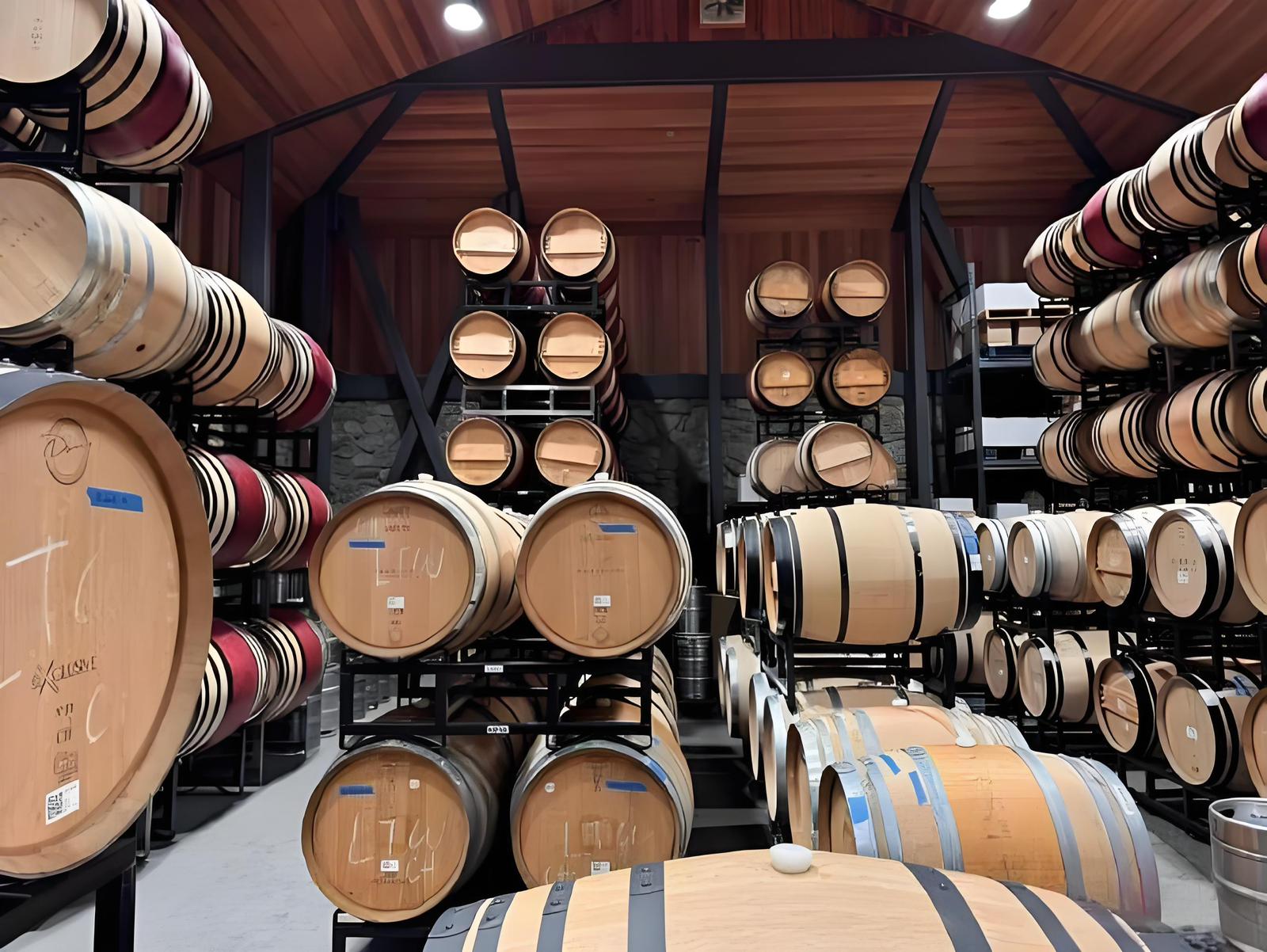
A complete winery (including residences, winemaking facilities, brand and distribution channels) typically ranges from €1.5 million to €6 million, with top flagship wineries reaching tens of millions of euros.
Project Description
Italian winery prices range widely depending on region and reputation, making it one of the most expensive wine estates globally, but there are also plenty of opportunities in the mid-to-low range. Below is an overview of prices per hectare of vineyard:
Price range by region/type (€/hectare) Remarks
In Barolo, top-tier plots like Cannubi can reach €4 million, with prices ranging from €250,000 to €2.3 million; the average price in 2025 is estimated at around €1.92 million.
Barbaresco, €300,000–€800,000, core reputation of the Nebbiolo wine region.
Bolgheri, €300,000–€600,000, the flagship "Super Tuscan" appellation.
Brunello di Montalcino: €250,000–€500,000, with even higher premiums for high-quality single-origin vineyards.
Chianti Classico: €100,000–€200,000, best value for money between Florence and the Hills of Siena.
Upper Adige/South Tyrol €600,000–€1,100,000, the heart of high-quality white sparkling wine region on the shores of Lake Cardaro.
Other wine regions, such as Sicily, Puglia, and Abruzzo, have very low entry barriers, ranging from €15,000 to €100,000.
A complete winery (including residences, winemaking facilities, brand and distribution channels) typically ranges from €1.5 million to €6 million, with top flagship wineries reaching tens of millions of euros.
Eligibility & Requirements
Evaluate
Advantages:
1. Italian law does not prohibit foreign entities from purchasing agricultural land, and it is basically open to foreign investors;
2. The estate tax for wineries applies a very low rate (4%) to immediate family members, with a tax-free allowance of €1 million per person. Additional tax benefits may be available for agricultural land if the heirs commit to continuing the business.
3. A strong recovery in revenue from wine tourism and tasting events can mitigate fluctuations in wine sales;
4. After owning a winery, you can register as an Individual Agricultural Operator (IAP) and enjoy social security and tax benefits;
5. In Italy, agricultural land is subject to a preferential property tax (IMU) rate, resulting in a lighter actual tax burden compared to some high-value areas in France.
6. The EU CAP subsidy (2023–2027) supports organic conversion and sustainable practices, etc.
7. Numerous restoration farms are available in remote areas for sale at “1 euro per hectare” or at low prices, making them suitable for buyers looking to upgrade and renovate their farms.
Key Costs and Risks:
1. Transaction surcharges are approximately 8%–12% of the purchase price: These include registration tax (the 12% concession for agricultural land has been cancelled, and the standard tax rate now applies; a lower VAT rate is available if purchased from a company holding a VAT number), cadastral and mortgage tax, notary fees, technical advisor fees, etc. When the seller is not a professional developer, it is often a resale property, and the 9% registration tax applies.
2. Foreign buyers must apply for a "tax number" (Codice Fiscale), which takes 2–4 weeks;
3. DOC/DOCG designation of origin certification has extremely strict restrictions: grape varieties, yield per unit area, planting density, and winemaking methods are all subject to the regulations of the production area. Violations can lead to a downgrade in the rating, and the value of the winery will be greatly reduced.
4. The protection of historic buildings (Vincolo Storico) is subject to strict regulations; replacements of facades, roofs, doors, and windows all require approval from regulatory authorities.
5. Land registration and urban planning compliance risks: Many older wineries have historical compliance issues such as unreported expansions, and the buyer shall bear the risks of such risks.
6. Environmental protection restrictions are becoming increasingly stringent: non-compliance with pesticide emissions and wastewater management may trigger fines;
7. Non-EU buyers may not apply for CAP agricultural subsidies in their own name; they must operate through a locally registered company or social agricultural cooperative.
8. Soil quality and diseases: Diseases such as grape moth and fungi can lead to a significant decrease in yield. Soil and virus screening must be carried out before purchase.
Advantages:
1. Italian law does not prohibit foreign entities from purchasing agricultural land, and it is basically open to foreign investors;
2. The estate tax for wineries applies a very low rate (4%) to immediate family members, with a tax-free allowance of €1 million per person. Additional tax benefits may be available for agricultural land if the heirs commit to continuing the business.
3. A strong recovery in revenue from wine tourism and tasting events can mitigate fluctuations in wine sales;
4. After owning a winery, you can register as an Individual Agricultural Operator (IAP) and enjoy social security and tax benefits;
5. In Italy, agricultural land is subject to a preferential property tax (IMU) rate, resulting in a lighter actual tax burden compared to some high-value areas in France.
6. The EU CAP subsidy (2023–2027) supports organic conversion and sustainable practices, etc.
7. Numerous restoration farms are available in remote areas for sale at “1 euro per hectare” or at low prices, making them suitable for buyers looking to upgrade and renovate their farms.
Key Costs and Risks:
1. Transaction surcharges are approximately 8%–12% of the purchase price: These include registration tax (the 12% concession for agricultural land has been cancelled, and the standard tax rate now applies; a lower VAT rate is available if purchased from a company holding a VAT number), cadastral and mortgage tax, notary fees, technical advisor fees, etc. When the seller is not a professional developer, it is often a resale property, and the 9% registration tax applies.
2. Foreign buyers must apply for a "tax number" (Codice Fiscale), which takes 2–4 weeks;
3. DOC/DOCG designation of origin certification has extremely strict restrictions: grape varieties, yield per unit area, planting density, and winemaking methods are all subject to the regulations of the production area. Violations can lead to a downgrade in the rating, and the value of the winery will be greatly reduced.
4. The protection of historic buildings (Vincolo Storico) is subject to strict regulations; replacements of facades, roofs, doors, and windows all require approval from regulatory authorities.
5. Land registration and urban planning compliance risks: Many older wineries have historical compliance issues such as unreported expansions, and the buyer shall bear the risks of such risks.
6. Environmental protection restrictions are becoming increasingly stringent: non-compliance with pesticide emissions and wastewater management may trigger fines;
7. Non-EU buyers may not apply for CAP agricultural subsidies in their own name; they must operate through a locally registered company or social agricultural cooperative.
8. Soil quality and diseases: Diseases such as grape moth and fungi can lead to a significant decrease in yield. Soil and virus screening must be carried out before purchase.
Application Process & Advice
suggestion
1. Prioritize regions with known DOC/DOCG certification (Barolo, Chianti Classico, Brunello, Prosecco) to reduce brand dilution risk; it is recommended to first choose mid-range wineries with stable winemaking facilities, and avoid projects involving ruins and high-cost renovations;
2. Core Professional Team: Bilingual real estate lawyers (verifying title and cadastral compliance and easements) + agricultural engineers/technicians (cropology and compliance investigation) + notaries + winemaking consultants + tax consultants;
3. Key Due Diligence Dimensions: ① Lawyers obtain cadastral records and land registers (at least 30 years of property rights) to verify no mortgages and urban planning violations; ② Winemaking consultants assess soil (moisture content, chemical residues) and grape health; ③ Verify whether the winery is protected by Vincolo Storico; ④ Check eligibility for carryover of EU CAP agricultural subsidies.
4. It is recommended that the first home purchase exemption not apply: Non-resident foreigners should not reduce IMU property tax through the "first home purchase" exemption;
5. Long-term gifts or gradual inheritance arrangements made between immediate family members using the €1 million tax-free allowance per person;
6. Budget Allocation Model: In addition to the purchase price, prepare approximately 10% for transaction fees + 20%–40% for repair and upgrade budget + 15%–25% for working capital; before entering the market, it is necessary to clarify the compliance channels with China's foreign exchange controls and the Euro/CNY exchange rate difference.
Process of purchasing an Italian winery
Italian winery transactions are divided into three stages: Proposta d'Acquisto (written offer) → Compromesso (preliminary contract) → Atto Notarile (final notarized deed). The land register does not allow any "incomplete registrations," and ownership transfer is only complete after the final deed is signed.
Step 1: Tax ID and Loan Pre-approval (4–8 weeks)
All foreign buyers applied for "Codice Fiscale" from the Italian tax authorities. A preliminary commitment letter for bank financing was finalized.
Step 2: Select wineries and provide written quotes (1–6 months)
With the assistance of a professional intermediary conducting an on-site inspection and a lawyer issuing a Proposta d'Acquisto, the merchant must provide a deposit of €5,000–€10,000 (refundable if the buyer withdraws before the seller accepts).
Step 3: Sign the preliminary contract (Compromesso) – Pay a deposit of 10% – 30%
Both parties sign a Compromesso, specifying the transaction price, terms, and closing period. The buyer pays a deposit of 10%–30% (held in escrow by a notary or lawyer), and the seller must return double the deposit if the seller defaults.
Step 4: Due Diligence and Termination Conditions (4–10 weeks)
During this period, complete due diligence across all four dimensions. If significant issues are discovered, the contract may be terminated and the deposit recovered. Confirm the seller's registered tax number and continued eligibility for agricultural benefits.
Step 5: Sign the final notarized deed (Atto Notarile)
The buyer and seller sign the contract before a notary public, who then registers the deed with the cadastral office and land registry. The buyer pays the remaining balance (minus the deposit), along with registration tax or VAT, cadastral tax, mortgage tax, and notary fees, at which point ownership is legally transferred in full.
The total timeframe is approximately 5–10 months, which may extend to 12 months for wineries with complex ownership structures. Italy does not have a priority purchase right system for agricultural land similar to France's SAFER, nor does it have a mandatory public consultation period. The process is more flexible and controllable than that of French wineries, with the core time-consuming aspects being due diligence and updating data in the registration system.
1. Prioritize regions with known DOC/DOCG certification (Barolo, Chianti Classico, Brunello, Prosecco) to reduce brand dilution risk; it is recommended to first choose mid-range wineries with stable winemaking facilities, and avoid projects involving ruins and high-cost renovations;
2. Core Professional Team: Bilingual real estate lawyers (verifying title and cadastral compliance and easements) + agricultural engineers/technicians (cropology and compliance investigation) + notaries + winemaking consultants + tax consultants;
3. Key Due Diligence Dimensions: ① Lawyers obtain cadastral records and land registers (at least 30 years of property rights) to verify no mortgages and urban planning violations; ② Winemaking consultants assess soil (moisture content, chemical residues) and grape health; ③ Verify whether the winery is protected by Vincolo Storico; ④ Check eligibility for carryover of EU CAP agricultural subsidies.
4. It is recommended that the first home purchase exemption not apply: Non-resident foreigners should not reduce IMU property tax through the "first home purchase" exemption;
5. Long-term gifts or gradual inheritance arrangements made between immediate family members using the €1 million tax-free allowance per person;
6. Budget Allocation Model: In addition to the purchase price, prepare approximately 10% for transaction fees + 20%–40% for repair and upgrade budget + 15%–25% for working capital; before entering the market, it is necessary to clarify the compliance channels with China's foreign exchange controls and the Euro/CNY exchange rate difference.
Process of purchasing an Italian winery
Italian winery transactions are divided into three stages: Proposta d'Acquisto (written offer) → Compromesso (preliminary contract) → Atto Notarile (final notarized deed). The land register does not allow any "incomplete registrations," and ownership transfer is only complete after the final deed is signed.
Step 1: Tax ID and Loan Pre-approval (4–8 weeks)
All foreign buyers applied for "Codice Fiscale" from the Italian tax authorities. A preliminary commitment letter for bank financing was finalized.
Step 2: Select wineries and provide written quotes (1–6 months)
With the assistance of a professional intermediary conducting an on-site inspection and a lawyer issuing a Proposta d'Acquisto, the merchant must provide a deposit of €5,000–€10,000 (refundable if the buyer withdraws before the seller accepts).
Step 3: Sign the preliminary contract (Compromesso) – Pay a deposit of 10% – 30%
Both parties sign a Compromesso, specifying the transaction price, terms, and closing period. The buyer pays a deposit of 10%–30% (held in escrow by a notary or lawyer), and the seller must return double the deposit if the seller defaults.
Step 4: Due Diligence and Termination Conditions (4–10 weeks)
During this period, complete due diligence across all four dimensions. If significant issues are discovered, the contract may be terminated and the deposit recovered. Confirm the seller's registered tax number and continued eligibility for agricultural benefits.
Step 5: Sign the final notarized deed (Atto Notarile)
The buyer and seller sign the contract before a notary public, who then registers the deed with the cadastral office and land registry. The buyer pays the remaining balance (minus the deposit), along with registration tax or VAT, cadastral tax, mortgage tax, and notary fees, at which point ownership is legally transferred in full.
The total timeframe is approximately 5–10 months, which may extend to 12 months for wineries with complex ownership structures. Italy does not have a priority purchase right system for agricultural land similar to France's SAFER, nor does it have a mandatory public consultation period. The process is more flexible and controllable than that of French wineries, with the core time-consuming aspects being due diligence and updating data in the registration system.
0 Reviews
Loading reviews...
Unable to load reviews. Please try again later.
No reviews yet. Be the first to write a review!