Czech Republic buys castle
Migration Program Details & Application


Program Overview
Buy a Czech castle
Project Description
I. Core Positioning of the Czech Castle Market
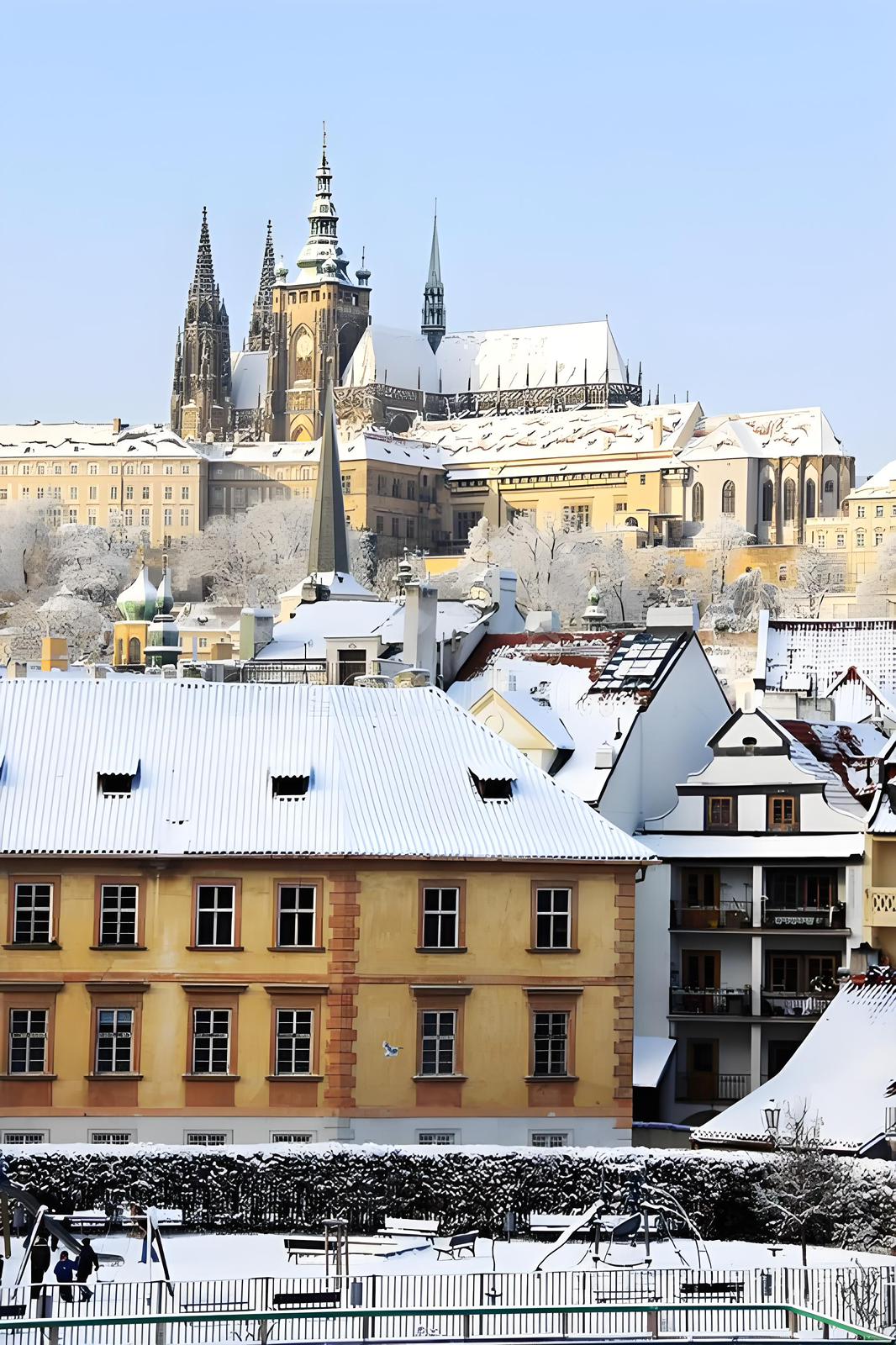
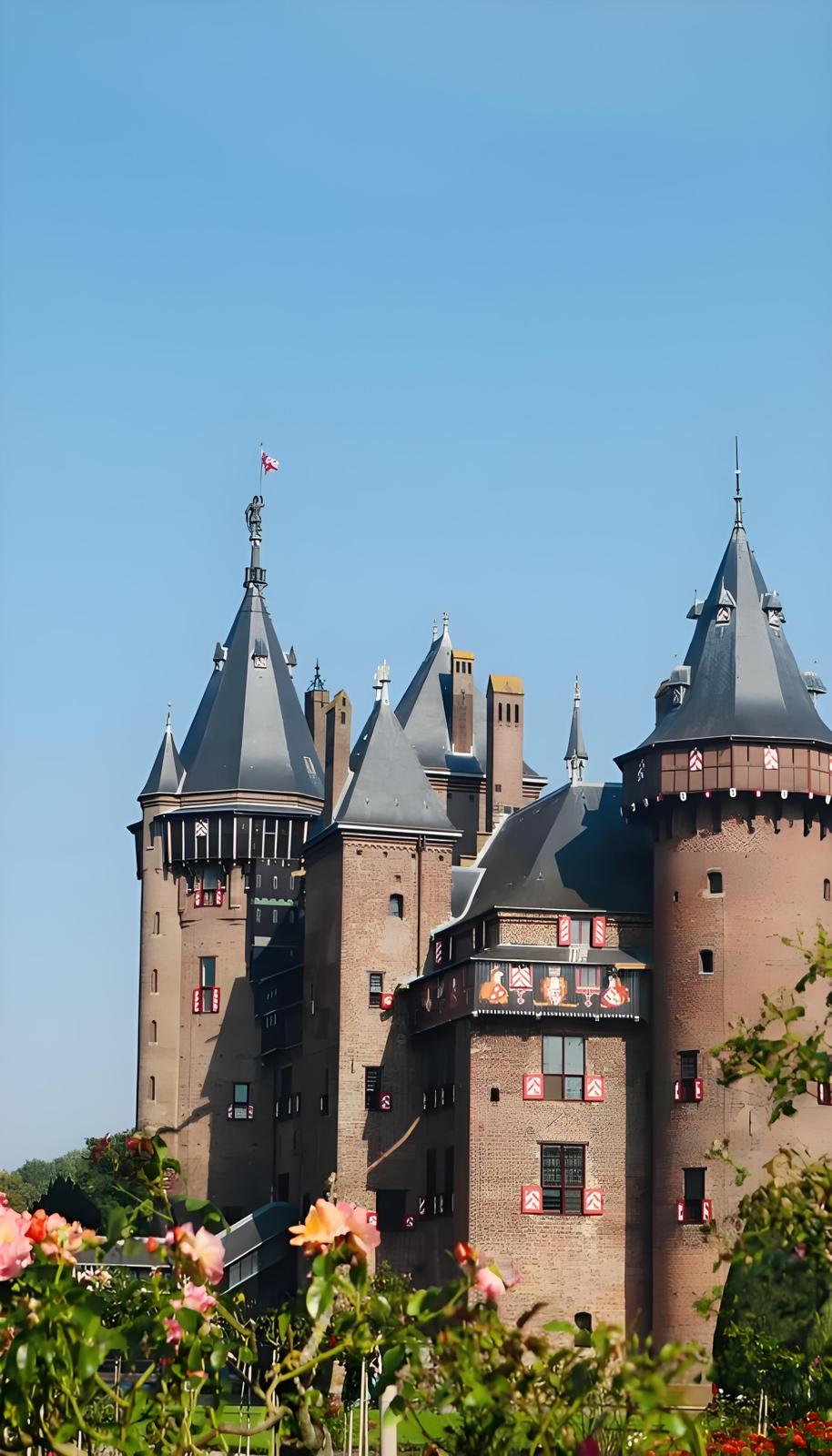
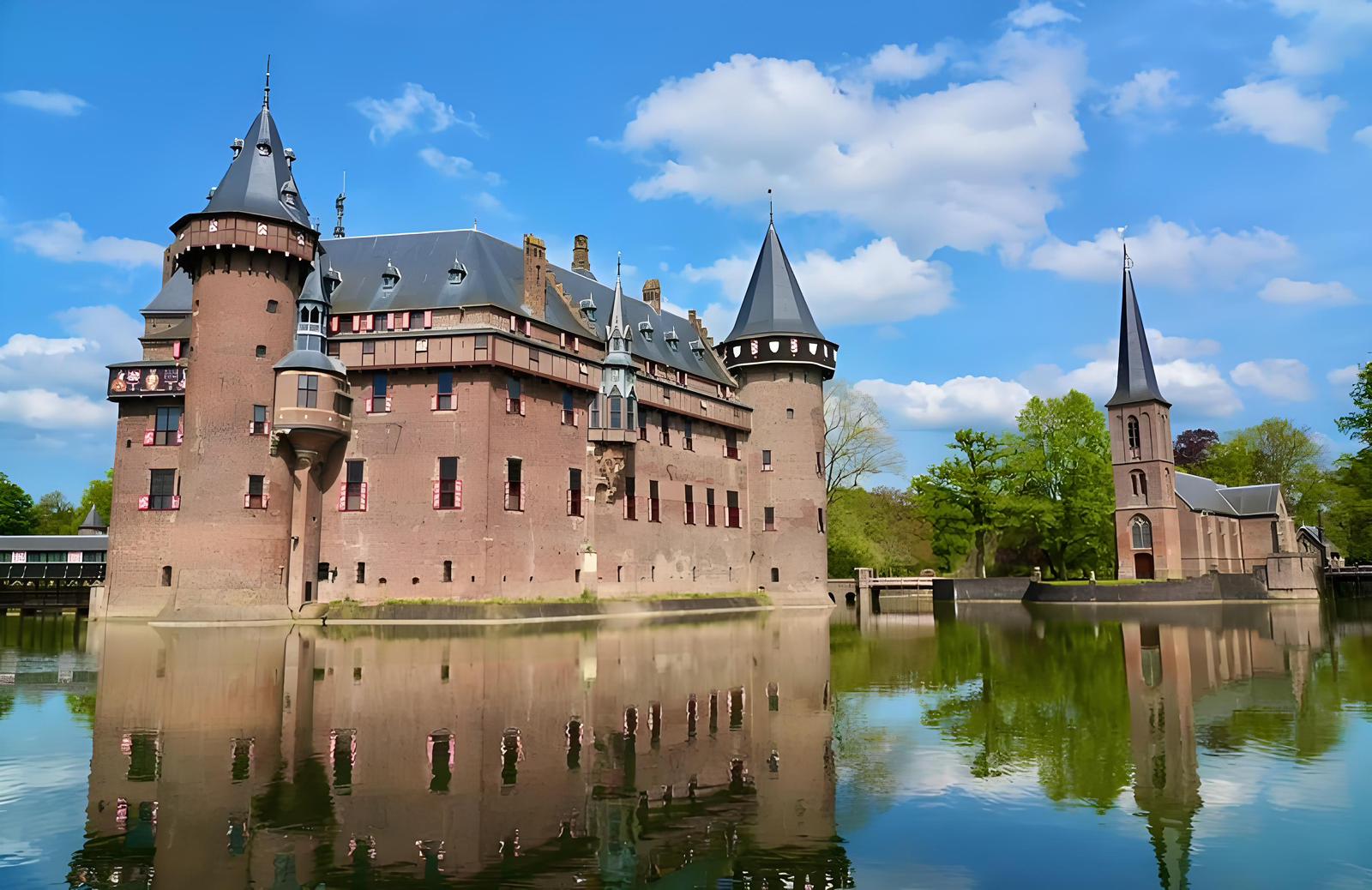
The Czech castle market can be best described as "a land of castles, a land of bargains." The Czech Republic boasts over 2,000 castles, manors, and medieval fortresses, attracting tourists from all over the world. A considerable number of castles and manors are privately owned, some of which are available for private purchase. Following the wave of privatization in the 1990s, a significant number of historical buildings remain available for sale.
Compared to France (where the castle market is highly sought after by global buyers, with American buyers accounting for approximately 301 million inquiries in Europe) and Germany, the international reputation of Czech castles is still developing, with local buyers forming the backbone of the market. Because the last major wave of concentrated castle transactions occurred in the 1990s, current prices are still significantly lower than comparable castles in Western Europe, and the annual price growth rate has been stable.
2026 Market Overview: The Czech historic building segment is on a new path of robust growth. Driven by macroeconomic uncertainty, castles and manors are being viewed by both local and international buyers as a safe haven for capital and a tool for portfolio diversification. The Czech castle market exhibits dynamics distinctly different from other conventional real estate markets—transactions are highly personalized, slower-paced, but of exceptional quality. Demand and prices for specific types of historic buildings have seen a significant rebound over the past two years.
II. Market Supply Patterns – Main Categories of Czech Castles
First floor: A fully renovated/ready-to-use historical castle (high-end).
The most attractive aspect of small and medium-sized castles in the Czech market is the abundance of options that have undergone modern renovations while retaining their historical character, allowing buyers to move in immediately. Trnová Castle, a noble estate not far from Prague, boasts a usable area of 1,585 square meters and preserves valuable historical murals and fireplaces. Another example is a large estate of approximately 1,114 square meters with outstanding energy efficiency. Historical building experts point out that the market price of high-quality historical buildings is primarily determined by their location, technical condition, and commercial potential—the closer to Prague or a popular tourist area, and the better their condition, the greater the premium.
Second tier: Manor palaces requiring moderate renovation (mid-range marketable type)
The mainstream type of castles traded in the Czech market are mainly palatial estates built during the Baroque and Neoclassical periods in Bohemia and Moravia. These estates typically include several to tens of hectares of private land, some with woodlands, fishponds, orchards, and even wine cellars.
Štiřín Castle, one of the most internationally anticipated properties in the Czech castle market—located just 25 kilometers from Prague—comprising the estate, attached properties, and land, has undergone multiple rounds of electronic auctions. The starting price was 884 million Czech crowns (approximately €35.1 million). Zelená Hora Castle, purchased for 30 million Czech crowns (approximately €1.19 million), was transferred by the local government to a carpentry company at a reasonable market price. Dolní Olešnice Castle, with its extensive 393,157 square meters of land (including farmland, ponds, and building land), is an excellent choice for both private residential and commercial development.
The third tier: ruins or skeletal castles (most attractive to small and medium-sized overseas investors).
The Czech castle market's "entry-level" price range is represented by castles in ruins, priced between €4 million and €8 million, far exceeding the multi-million euro level. This reflects the vast range and investment required for small to medium-sized historical buildings, from ruins to high-end renovations.
III. Market Dynamics in 2026
1. Price Drivers in the Castle Market – Tight Supply and Demand. Experts point out that demand for high-quality castles currently exceeds supply. Castle prices depend primarily on location, technical condition, level of protection, and commercial potential.
2. Economic pressures are driving castles onto the market. Some owners who are unable to continue operating and renovating their castles are putting them on the market, bringing previously unavailable high-quality historical buildings into the purchasing channel.
3. The value of renovated castles will increase more rapidly. Given the continued rise in construction costs in recent years, the prices of historical buildings that have already been renovated will see a faster growth trend – new buyers save on the costs, effort, and time of starting renovations from scratch, thus achieving greater financial justification.
Project Description
I. Core Positioning of the Czech Castle Market
The Czech castle market can be best described as "a land of castles, a land of bargains." The Czech Republic boasts over 2,000 castles, manors, and medieval fortresses, attracting tourists from all over the world. A considerable number of castles and manors are privately owned, some of which are available for private purchase. Following the wave of privatization in the 1990s, a significant number of historical buildings remain available for sale.
Compared to France (where the castle market is highly sought after by global buyers, with American buyers accounting for approximately 301 million inquiries in Europe) and Germany, the international reputation of Czech castles is still developing, with local buyers forming the backbone of the market. Because the last major wave of concentrated castle transactions occurred in the 1990s, current prices are still significantly lower than comparable castles in Western Europe, and the annual price growth rate has been stable.
2026 Market Overview: The Czech historic building segment is on a new path of robust growth. Driven by macroeconomic uncertainty, castles and manors are being viewed by both local and international buyers as a safe haven for capital and a tool for portfolio diversification. The Czech castle market exhibits dynamics distinctly different from other conventional real estate markets—transactions are highly personalized, slower-paced, but of exceptional quality. Demand and prices for specific types of historic buildings have seen a significant rebound over the past two years.
II. Market Supply Patterns – Main Categories of Czech Castles
First floor: A fully renovated/ready-to-use historical castle (high-end).
The most attractive aspect of small and medium-sized castles in the Czech market is the abundance of options that have undergone modern renovations while retaining their historical character, allowing buyers to move in immediately. Trnová Castle, a noble estate not far from Prague, boasts a usable area of 1,585 square meters and preserves valuable historical murals and fireplaces. Another example is a large estate of approximately 1,114 square meters with outstanding energy efficiency. Historical building experts point out that the market price of high-quality historical buildings is primarily determined by their location, technical condition, and commercial potential—the closer to Prague or a popular tourist area, and the better their condition, the greater the premium.
Second tier: Manor palaces requiring moderate renovation (mid-range marketable type)
The mainstream type of castles traded in the Czech market are mainly palatial estates built during the Baroque and Neoclassical periods in Bohemia and Moravia. These estates typically include several to tens of hectares of private land, some with woodlands, fishponds, orchards, and even wine cellars.
Štiřín Castle, one of the most internationally anticipated properties in the Czech castle market—located just 25 kilometers from Prague—comprising the estate, attached properties, and land, has undergone multiple rounds of electronic auctions. The starting price was 884 million Czech crowns (approximately €35.1 million). Zelená Hora Castle, purchased for 30 million Czech crowns (approximately €1.19 million), was transferred by the local government to a carpentry company at a reasonable market price. Dolní Olešnice Castle, with its extensive 393,157 square meters of land (including farmland, ponds, and building land), is an excellent choice for both private residential and commercial development.
The third tier: ruins or skeletal castles (most attractive to small and medium-sized overseas investors).
The Czech castle market's "entry-level" price range is represented by castles in ruins, priced between €4 million and €8 million, far exceeding the multi-million euro level. This reflects the vast range and investment required for small to medium-sized historical buildings, from ruins to high-end renovations.
III. Market Dynamics in 2026
1. Price Drivers in the Castle Market – Tight Supply and Demand. Experts point out that demand for high-quality castles currently exceeds supply. Castle prices depend primarily on location, technical condition, level of protection, and commercial potential.
2. Economic pressures are driving castles onto the market. Some owners who are unable to continue operating and renovating their castles are putting them on the market, bringing previously unavailable high-quality historical buildings into the purchasing channel.
3. The value of renovated castles will increase more rapidly. Given the continued rise in construction costs in recent years, the prices of historical buildings that have already been renovated will see a faster growth trend – new buyers save on the costs, effort, and time of starting renovations from scratch, thus achieving greater financial justification.
Eligibility & Requirements
Evaluate
I. Advantages
1. Zero restrictions on foreign buyers purchasing property – This is the Czech Republic's biggest and most core institutional advantage compared to countries like Austria and Poland. Czech law is completely open to real estate ownership – in principle, anyone can buy real estate in the Czech Republic, and foreigners do not need special government permission to purchase ordinary land and buildings (including castles), and are subject to the same legal conditions as Czech citizens. EU citizens and non-EU third-country buyers enjoy the same rights. This policy has a significant competitive advantage within the EU.
Note: For certain sensitive areas (such as state-owned forest land and agricultural land), foreign buyers may be subject to additional conditions or notification obligations, but castle-like buildings (which are already permanent structures on the land) are not subject to these restrictions. Sanctions prohibiting Russian citizens from purchasing real estate in the Czech Republic are an exception.
2. The real estate transfer tax was completely abolished at the end of 2019 – this is the most attractive cost advantage of buying a castle. The Czech Republic abolished the 4% real estate transfer tax on property transfers in December 2019. The direct impact on different types of castle buyers (taking a €3 million castle as an example):
Comparing the impact of national real estate transfer taxes on a €3 million castle
Czech Republic (after 2019) 0%: Direct savings of €120,000
France 7.7%–8% (notary and registration tax) | Equivalent to €231,000–240,000. High overall transaction costs.
Austria's property transfer tax is 3.51 TP3T + registration fee is 1.11 TP3T | totaling approximately 4.61 TP3T ≈ €138,000. This is generally lower than France but higher than the Czech Republic.
UK overseas buyers + second property surcharge can reach 12% or more ≈ €360,000+ UK overall taxes are high.
3. The inheritance and gift tax structure is extremely favorable to real estate owners. Czech law levies a 0% tax rate on inheritance and gifts of real estate between immediate family members. In the natural succession of a castle, inheritance between spouses and children is essentially tax-free, allowing the family to retain ownership of the castle across generations with virtually no tax impact. Inheritance by non-immediate family members is subject to a progressive inheritance tax rate ranging from 7% to 40%, but this risk can be mitigated by designing a family company structure (SRO) for the castle.
4. Overall transaction costs are among the lowest in Europe. The various additional fees for historical castle properties are significantly lower than in Western European countries.
Notary/authentication signature fees: Approximately 1%–2% for the purchase price, depending on the scope of notary services and the complexity of the contract.
• Land Registry Administrative Fees: Approximately 1,000–2,000 kronor (approximately €40–€80)
• Real estate agent commission: The buyer's share of the commission is typically between 3% and 5%.
• Legal consultation and contract drafting fees: approximately 0.51 TP3T–11 TP3T, depending on the complexity of the castle transaction.
The total transaction cost is approximately 5%–8%, which is highly attractive compared to other castle markets in the EU. Property taxes are extremely low – Czech property taxes are calculated at CZK 2–10 (€0.08–€0.4) per square meter of building area, multiplied by a local coefficient (1 to 5). For example, a 1,000㎡ castle plus 10,000㎡ of land would typically have annual property taxes between CZK 4,000–30,000 (€160–€1,200), significantly lower than comparable properties in Western Europe.
5. The threshold for capital gains tax exemption is extremely low—castles held for 5 years or more are exempt from income tax up to 151 TP3T. If a castle is sold after being held for more than 5 years, the individual seller is completely exempt from capital gains tax. If a castle is held as a corporation (SRO) and then sold, the capital gains will be subject to corporate income tax of 211 TP3T. Castle renovation and maintenance costs are eligible for immediate tax deductions—the lower end of the total annual cost (not exceeding 80,000 kronor) can be deducted immediately; or it can be included in the tangible fixed asset maintenance cost category for tax reporting.
6. The commercialization of castles holds great promise. Czech castles, due to their prime locations and architectural authenticity, can be transformed into luxury resorts, wedding venues, wineries (some castles also include vineyards), art galleries, tourist attractions, or corporate event centers. Protected buildings listed as national cultural monuments can apply for restoration subsidies through EU funds and the Czech National Cultural Fund. Castles converted to commercial use that comply with historical building protection regulations can regain tax breaks and local subsidies.
7. Political stability and high legal transparency. The Czech Republic is a dual member of the EU and NATO, boasting a politically stable and economically sound environment that ranks among the best in the region. Its real estate registration system is transparent: all land and most buildings are registered in the real estate register, managed by a specialized cadastral authority. Records in the register are legally binding in the vast majority of cases. The acquisition, alteration, and termination of ownership—must be registered in the register to take effect.
II. Major Risks and Costs
1. The cost of castle restoration and maintenance is extremely high – historical preservation regulations are strict.
When a castle is designated a "National Cultural Monument," any renovations require special approval from the Czech Ministry of Culture. The approval process for movable cultural relics takes three months, while for immovable national cultural monuments it can take up to six months. Castle repairs and renovations must use materials and techniques that preserve the original appearance of the building, including traditional lime plaster, hand-forged metalwork, and restored paint finishes. The cost of these processes is 301 Tb3T–701 Tb3T higher than that of ordinary building renovations. Major repairs can cost millions of Czech crowns just for the roof, and the renovation of each historically protected window can cost tens of thousands of crowns. The structural repair or complete renovation of a medium-sized castle can cost as much as 800-1 billion Czech crowns.
2. Historic preservation regulations impose strict restrictions – the castle's future freedom is threatened.
The Czech Republic's national system for the protection of cultural monuments has been further strengthened by the newly revised law of 2024–2025 (along with adjustments to cultural heritage legislation). Castle owners must comply with the following constraints:
• No alterations to the building's exterior are permitted without the approval of the local conservation authority, including replacing doors and windows, changing the exterior wall color, and renovating the roof.
• The castle cannot be arbitrarily divided into multiple apartment units for sale.
• Any renovations to the interior, such as removing partitions in non-historical protected spaces or adding new windows, must be approved item by item by the historical site protection department.
• Castles must not be altered or have their exterior elements (such as corner towers, crenellations, coat of arms, etc.) removed without authorization.
If alterations are made without the approval of the Ministry of Culture or the provincial-level historical site protection department, the site may be ordered to be restored and a fine may be imposed.
3. Bank loan approval is quite difficult.
The application process for non-resident foreign buyers to obtain loans from Czech banks is relatively complicated. Czech commercial banks require:
• Provide additional financial documentation (proof of income for the past 6 months or more).
Local banks typically require non-resident buyers to make a down payment of 30%–50%.
Castles, due to their non-standard asset characteristics, require a higher degree of prudence in valuation.
• Loan-to-Value (LTV) ratio is typically 50% to 70% (TP3T).
4. The annual operating costs of the castle should not be underestimated.
The annual holding costs of the castle include:
• Inheritance tax for non-lineal heirs can be as high as 71 TP3T–401 TP3T
Property tax (lower) CZK 2–10/㎡, multiplied by the coefficient of the town/city.
• Castle operating costs: Castle heating (Czech winters last 4-5 months, heating costs for a medium-sized castle are 300,000 Czech crowns per year), electricity, water, landscaping, security, and general building maintenance costs, with annual expenditures ranging from approximately €25,000 to €120,000, depending on the total area of the castle and its usage.
• Castle property insurance rates are significantly higher than those for ordinary residences: Castles are mostly calculated based on "renovation and replacement costs" rather than market value. The replacement cost for a €3 million castle could reach €6 million to €12 million, with annual insurance premiums of approximately €7,000 to €30,000.
5. The exit market liquidity of castles is low.
The pool of castle buyers is extremely limited, and it can take 2–5 years to resell a castle. Sellers are often forced to accept a significant discount when they urgently need to liquidate their assets.
6. Language and administrative communication barriers.
All property contracts, registers, and legal interpretations are official documents in Czech. The official language regulations for contracts, land registers, and transaction documents are all in Czech. Czech is not a Germanic or Romance language, posing a significant barrier to native Chinese and English-speaking buyers.
7. Anti-money laundering (AML) due diligence is being tightened.
From 2024–2025, according to amendments to the Czech anti-money laundering law, all real estate agencies, notaries, banks, and lawyers must rigorously verify the identity of buyers and the source of their funds. If the funding chain is complex or involves third-party payments, the review process will be longer and carries potential risks.
I. Advantages
1. Zero restrictions on foreign buyers purchasing property – This is the Czech Republic's biggest and most core institutional advantage compared to countries like Austria and Poland. Czech law is completely open to real estate ownership – in principle, anyone can buy real estate in the Czech Republic, and foreigners do not need special government permission to purchase ordinary land and buildings (including castles), and are subject to the same legal conditions as Czech citizens. EU citizens and non-EU third-country buyers enjoy the same rights. This policy has a significant competitive advantage within the EU.
Note: For certain sensitive areas (such as state-owned forest land and agricultural land), foreign buyers may be subject to additional conditions or notification obligations, but castle-like buildings (which are already permanent structures on the land) are not subject to these restrictions. Sanctions prohibiting Russian citizens from purchasing real estate in the Czech Republic are an exception.
2. The real estate transfer tax was completely abolished at the end of 2019 – this is the most attractive cost advantage of buying a castle. The Czech Republic abolished the 4% real estate transfer tax on property transfers in December 2019. The direct impact on different types of castle buyers (taking a €3 million castle as an example):
Comparing the impact of national real estate transfer taxes on a €3 million castle
Czech Republic (after 2019) 0%: Direct savings of €120,000
France 7.7%–8% (notary and registration tax) | Equivalent to €231,000–240,000. High overall transaction costs.
Austria's property transfer tax is 3.51 TP3T + registration fee is 1.11 TP3T | totaling approximately 4.61 TP3T ≈ €138,000. This is generally lower than France but higher than the Czech Republic.
UK overseas buyers + second property surcharge can reach 12% or more ≈ €360,000+ UK overall taxes are high.
3. The inheritance and gift tax structure is extremely favorable to real estate owners. Czech law levies a 0% tax rate on inheritance and gifts of real estate between immediate family members. In the natural succession of a castle, inheritance between spouses and children is essentially tax-free, allowing the family to retain ownership of the castle across generations with virtually no tax impact. Inheritance by non-immediate family members is subject to a progressive inheritance tax rate ranging from 7% to 40%, but this risk can be mitigated by designing a family company structure (SRO) for the castle.
4. Overall transaction costs are among the lowest in Europe. The various additional fees for historical castle properties are significantly lower than in Western European countries.
Notary/authentication signature fees: Approximately 1%–2% for the purchase price, depending on the scope of notary services and the complexity of the contract.
• Land Registry Administrative Fees: Approximately 1,000–2,000 kronor (approximately €40–€80)
• Real estate agent commission: The buyer's share of the commission is typically between 3% and 5%.
• Legal consultation and contract drafting fees: approximately 0.51 TP3T–11 TP3T, depending on the complexity of the castle transaction.
The total transaction cost is approximately 5%–8%, which is highly attractive compared to other castle markets in the EU. Property taxes are extremely low – Czech property taxes are calculated at CZK 2–10 (€0.08–€0.4) per square meter of building area, multiplied by a local coefficient (1 to 5). For example, a 1,000㎡ castle plus 10,000㎡ of land would typically have annual property taxes between CZK 4,000–30,000 (€160–€1,200), significantly lower than comparable properties in Western Europe.
5. The threshold for capital gains tax exemption is extremely low—castles held for 5 years or more are exempt from income tax up to 151 TP3T. If a castle is sold after being held for more than 5 years, the individual seller is completely exempt from capital gains tax. If a castle is held as a corporation (SRO) and then sold, the capital gains will be subject to corporate income tax of 211 TP3T. Castle renovation and maintenance costs are eligible for immediate tax deductions—the lower end of the total annual cost (not exceeding 80,000 kronor) can be deducted immediately; or it can be included in the tangible fixed asset maintenance cost category for tax reporting.
6. The commercialization of castles holds great promise. Czech castles, due to their prime locations and architectural authenticity, can be transformed into luxury resorts, wedding venues, wineries (some castles also include vineyards), art galleries, tourist attractions, or corporate event centers. Protected buildings listed as national cultural monuments can apply for restoration subsidies through EU funds and the Czech National Cultural Fund. Castles converted to commercial use that comply with historical building protection regulations can regain tax breaks and local subsidies.
7. Political stability and high legal transparency. The Czech Republic is a dual member of the EU and NATO, boasting a politically stable and economically sound environment that ranks among the best in the region. Its real estate registration system is transparent: all land and most buildings are registered in the real estate register, managed by a specialized cadastral authority. Records in the register are legally binding in the vast majority of cases. The acquisition, alteration, and termination of ownership—must be registered in the register to take effect.
II. Major Risks and Costs
1. The cost of castle restoration and maintenance is extremely high – historical preservation regulations are strict.
When a castle is designated a "National Cultural Monument," any renovations require special approval from the Czech Ministry of Culture. The approval process for movable cultural relics takes three months, while for immovable national cultural monuments it can take up to six months. Castle repairs and renovations must use materials and techniques that preserve the original appearance of the building, including traditional lime plaster, hand-forged metalwork, and restored paint finishes. The cost of these processes is 301 Tb3T–701 Tb3T higher than that of ordinary building renovations. Major repairs can cost millions of Czech crowns just for the roof, and the renovation of each historically protected window can cost tens of thousands of crowns. The structural repair or complete renovation of a medium-sized castle can cost as much as 800-1 billion Czech crowns.
2. Historic preservation regulations impose strict restrictions – the castle's future freedom is threatened.
The Czech Republic's national system for the protection of cultural monuments has been further strengthened by the newly revised law of 2024–2025 (along with adjustments to cultural heritage legislation). Castle owners must comply with the following constraints:
• No alterations to the building's exterior are permitted without the approval of the local conservation authority, including replacing doors and windows, changing the exterior wall color, and renovating the roof.
• The castle cannot be arbitrarily divided into multiple apartment units for sale.
• Any renovations to the interior, such as removing partitions in non-historical protected spaces or adding new windows, must be approved item by item by the historical site protection department.
• Castles must not be altered or have their exterior elements (such as corner towers, crenellations, coat of arms, etc.) removed without authorization.
If alterations are made without the approval of the Ministry of Culture or the provincial-level historical site protection department, the site may be ordered to be restored and a fine may be imposed.
3. Bank loan approval is quite difficult.
The application process for non-resident foreign buyers to obtain loans from Czech banks is relatively complicated. Czech commercial banks require:
• Provide additional financial documentation (proof of income for the past 6 months or more).
Local banks typically require non-resident buyers to make a down payment of 30%–50%.
Castles, due to their non-standard asset characteristics, require a higher degree of prudence in valuation.
• Loan-to-Value (LTV) ratio is typically 50% to 70% (TP3T).
4. The annual operating costs of the castle should not be underestimated.
The annual holding costs of the castle include:
• Inheritance tax for non-lineal heirs can be as high as 71 TP3T–401 TP3T
Property tax (lower) CZK 2–10/㎡, multiplied by the coefficient of the town/city.
• Castle operating costs: Castle heating (Czech winters last 4-5 months, heating costs for a medium-sized castle are 300,000 Czech crowns per year), electricity, water, landscaping, security, and general building maintenance costs, with annual expenditures ranging from approximately €25,000 to €120,000, depending on the total area of the castle and its usage.
• Castle property insurance rates are significantly higher than those for ordinary residences: Castles are mostly calculated based on "renovation and replacement costs" rather than market value. The replacement cost for a €3 million castle could reach €6 million to €12 million, with annual insurance premiums of approximately €7,000 to €30,000.
5. The exit market liquidity of castles is low.
The pool of castle buyers is extremely limited, and it can take 2–5 years to resell a castle. Sellers are often forced to accept a significant discount when they urgently need to liquidate their assets.
6. Language and administrative communication barriers.
All property contracts, registers, and legal interpretations are official documents in Czech. The official language regulations for contracts, land registers, and transaction documents are all in Czech. Czech is not a Germanic or Romance language, posing a significant barrier to native Chinese and English-speaking buyers.
7. Anti-money laundering (AML) due diligence is being tightened.
From 2024–2025, according to amendments to the Czech anti-money laundering law, all real estate agencies, notaries, banks, and lawyers must rigorously verify the identity of buyers and the source of their funds. If the funding chain is complex or involves third-party payments, the review process will be longer and carries potential risks.
Application Process & Advice
suggestion
I. Assembling a Professional Team – A Urgent Need for Talent in the Czech Castle Purchase
• Czech licensed real estate lawyer (Advokátní kancelář): This is an absolute prerequisite and does not rely on a notary public to determine the accuracy of documents. The lawyer needs to examine the land register, investigate title (including mortgages and easements), check historical protection classifications, and draft and amend the sales contract.
• Czech Notary Public (Notář): The notary public is only responsible for verifying the identity of the contract signatures and keeping a record of the signature samples of both the buyer and seller; they do not verify the content of the contract.
• Monumental Protection (NPÚ) Consultant and Historical Building Expert: Assists in determining the "Monumental Protection Classification" of castles and assists with the approval process of the Cultural Heritage Protection Authority.
• Czech chartered surveyor and engineering consultant: Estimates the cost of structural renovations to the castle and prepares assessment reports required for bank loans.
• International Tax Advisor: Coordinates dual tax agreements between the Czech Republic and the country of residence, and assists with estate planning.
II. Title Investigation Before Purchasing a Castle – The First Hurdle for Czech Castles
Checklist of due diligence procedures that must be completed before paying the deposit:
• Land register retrieval: Verify whether the ownership status is clear and undisputed, and whether it is currently in litigation or estate liquidation; verify whether the register contains any mortgages, easements, or third-party disputes; register records are legally binding unless proven false by fraud.
• Confirm the zoning plan and local land zoning scheme (ÚP): If the castle land is designated for agricultural use, historic habitat preservation, or a protected area, it will affect additional buildings or commercial use. Visit the local town hall for inquiries.
• Historical Sites Register Extraction: This register categorizes historical sites into national, provincial, and local cultural relics, as well as unlisted historical building complexes. The protection requirements and restrictions differ significantly for each category.
• All mortgages and third-party interests in the register must be removed by the seller prior to the transaction.
III. Budget Structure – Key Load-Bearing Capacity Estimation of Czech Castles
Recommendation on the proportion of the project cost to the purchase price
Castle purchase price (including agent commission): 60%–70%
Additional transaction costs (notary fees + legal fees + agency fees + registration fees) are 5%–8% of the purchase price (excluding property transfer tax).
The budget for emergency repairs and renovations of the castle is 30%–75% of the purchase price (the condition of ruins 6 may vary depending on the specific item).
Annual operating reserve housing purchase price: 1%–3%/year
Legal/Historical Conservation Consultant/Expert Fees: Purchase Price 2%–3% (High Castle Complexity)
The biggest opportunity for Czech castles in Western Europe is the absence of property transfer tax and the lowest overall transaction costs among EU countries. However, there are still significant repair costs that should be adequately buffered in the budget assessment.
IV. Actively utilize the financial support from the Czech Cultural Fund
If a castle is listed as a national monument, certain energy upgrades, roof repairs, and structural reinforcement projects can be supported through supplementary projects of the Czech Cultural and Regional Development Fund (such as the EU Structural Fund + Czech National Cultural Fund). In some regions, castle restoration can be funded with up to 20%–40% for necessary maintenance expenditures.
V. Avoiding future inheritance tax issues related to the castle
For the inheritance of Czech castles, the following strategies are recommended: avoid the risks of non-direct inheritance by establishing a limited liability company (SRO) to hold the castle; use the annual gift method to circumvent the tax exemption for Category I direct heirs (spouse and children); and apply for heritage tax benefits for monument protection in the castle's succession plan.
Process of purchasing a Czech castle
The Czech Republic's property purchase process differs significantly from that of Western European countries. Transferring ownership of Czech real estate requires two steps: first, signing a sales contract (Title); second, applying for registration of ownership (Modus) with the real estate register based on the contract. Real estate transactions do not require a notary public to draft the contract or for mandatory notarization. However, after the buyer and seller draft and sign the contract with the assistance of an agent or lawyer, the signatures must be certified by a notary public or submitted in person to the cadastral office for acceptance. Foreigners unable to be present in person can appoint a notarized representative to sign on their behalf.
Before the land register is completed, even if the buyer signs the contract, they still have no official right to acquire ownership.
Phase 1: Funding Preparation and Professional Team Building (4–8 weeks)
• Determine the total budget (purchase price + 5% – 8% surcharges + renovation budget + operating reserves);
• Signed an agreement with a Czech lawyer and contacted notaries, heritage preservation consultants, and surveyors;
• For example, if applying for a castle loan from a Czech commercial bank, obtain loan pre-approval in advance;
• Open a Czech bank account (not mandatory but strongly recommended).
Phase Two: Property Search, Site Visits, and Quotations (2–8 months)
• Search for castle listings through high-end agents (Svoboda & Williams, Luxent, RE/MAX, Realportico, etc.), websites (Sreality.cz), and non-public nepotism channels;
• Some castles in the Czech Republic are being offered for sale publicly through electronic auctions (such as Štiřín Castle);
• Submit a written quote. It is advisable to have a lawyer involved in the quote submission.
Phase 3: Due Diligence and Contract Drafting (3–8 weeks)
• The lawyer will conduct: a title integrity review and mortgage investigation; verification of historical ownership change registers; obtaining a detailed structural survey report (for castles, a full structural survey must be completed by a licensed house inspector); and confirmation of the monument's protection classification and restoration restrictions.;
• The lawyer drafts a final purchase agreement that balances the interests of both the buyer and seller;
• If there are additional land access easements in the vicinity of the castle, or if castle easements have the effect of restricting private use.
Phase Four: Signing the Sales Contract (Kupní smlouva) – The initial transfer of ownership through the contract.
• The buyer and seller sign a final sales contract with the assistance of a lawyer or notary, accompanied by an official Czech text and a certified translation.
• The buyer pays a deposit (usually 10%) and deposits it into a notary office's escrow account.
• After both parties have signed, the signature must be authenticated in one of the following two ways: ① by a Czech notary public who authenticates the signature and affixes their official seal; ② by verifying the identity of the signatory on the spot when submitting the land registration application.
• If the foreign buyer is unable to attend, a power of attorney from a local lawyer is required.
Phase 5: Land Register Application (Katastr nemovitostí) – The final crucial step in transferring ownership.
The lawyer submits the contract along with the application documents (including signature verification) to the local cadastral authority.
The land registry bureau reviews compliance and verifies that there are no unresolved issues related to fraud, mortgages, or guarantees.
Registration typically takes 30 days to 4 months (more complicated for castle-type residences than for regular residences).
Phase 6: Completion (Předání nemovitosti) and Key Handover
Ownership becomes effective once it is approved by the land registry and entered into the register, and a written certificate is subsequently issued.
• Existing home purchase payments are transferred from the escrow account and settled to the seller's account.
• Buyer delivers keys
Overall Time Frame
Estimated time for each stage
Funding preparation + professional team + loan pre-approval (4-8 weeks)
Castle search + on-site inspection + quote 2–8 months (castles are scarce)
Legal due diligence + contract drafting (3–8 weeks)
Signing the sales contract + paying the deposit: 1 day – 2 weeks
Signature authentication (notary public/cadastral office) 1–5 days
Land registration approval by the land registry bureau takes 4–12 weeks.
Complete key handover in 1–2 weeks
The total time from initial bid to final acquisition of ownership is typically 4–8 months. This can be extended to 8–12 months if there are delays in loan approval, complex castle ownership histories, or requests for supplementary materials from the cadastral authority. The Czech Republic's process is shorter than other countries like Austria and Poland (saving 3–8 months) because it does not require additional permits for foreign buyers; however, the complexity of castle ownership and historical sites should not be underestimated.
I. Assembling a Professional Team – A Urgent Need for Talent in the Czech Castle Purchase
• Czech licensed real estate lawyer (Advokátní kancelář): This is an absolute prerequisite and does not rely on a notary public to determine the accuracy of documents. The lawyer needs to examine the land register, investigate title (including mortgages and easements), check historical protection classifications, and draft and amend the sales contract.
• Czech Notary Public (Notář): The notary public is only responsible for verifying the identity of the contract signatures and keeping a record of the signature samples of both the buyer and seller; they do not verify the content of the contract.
• Monumental Protection (NPÚ) Consultant and Historical Building Expert: Assists in determining the "Monumental Protection Classification" of castles and assists with the approval process of the Cultural Heritage Protection Authority.
• Czech chartered surveyor and engineering consultant: Estimates the cost of structural renovations to the castle and prepares assessment reports required for bank loans.
• International Tax Advisor: Coordinates dual tax agreements between the Czech Republic and the country of residence, and assists with estate planning.
II. Title Investigation Before Purchasing a Castle – The First Hurdle for Czech Castles
Checklist of due diligence procedures that must be completed before paying the deposit:
• Land register retrieval: Verify whether the ownership status is clear and undisputed, and whether it is currently in litigation or estate liquidation; verify whether the register contains any mortgages, easements, or third-party disputes; register records are legally binding unless proven false by fraud.
• Confirm the zoning plan and local land zoning scheme (ÚP): If the castle land is designated for agricultural use, historic habitat preservation, or a protected area, it will affect additional buildings or commercial use. Visit the local town hall for inquiries.
• Historical Sites Register Extraction: This register categorizes historical sites into national, provincial, and local cultural relics, as well as unlisted historical building complexes. The protection requirements and restrictions differ significantly for each category.
• All mortgages and third-party interests in the register must be removed by the seller prior to the transaction.
III. Budget Structure – Key Load-Bearing Capacity Estimation of Czech Castles
Recommendation on the proportion of the project cost to the purchase price
Castle purchase price (including agent commission): 60%–70%
Additional transaction costs (notary fees + legal fees + agency fees + registration fees) are 5%–8% of the purchase price (excluding property transfer tax).
The budget for emergency repairs and renovations of the castle is 30%–75% of the purchase price (the condition of ruins 6 may vary depending on the specific item).
Annual operating reserve housing purchase price: 1%–3%/year
Legal/Historical Conservation Consultant/Expert Fees: Purchase Price 2%–3% (High Castle Complexity)
The biggest opportunity for Czech castles in Western Europe is the absence of property transfer tax and the lowest overall transaction costs among EU countries. However, there are still significant repair costs that should be adequately buffered in the budget assessment.
IV. Actively utilize the financial support from the Czech Cultural Fund
If a castle is listed as a national monument, certain energy upgrades, roof repairs, and structural reinforcement projects can be supported through supplementary projects of the Czech Cultural and Regional Development Fund (such as the EU Structural Fund + Czech National Cultural Fund). In some regions, castle restoration can be funded with up to 20%–40% for necessary maintenance expenditures.
V. Avoiding future inheritance tax issues related to the castle
For the inheritance of Czech castles, the following strategies are recommended: avoid the risks of non-direct inheritance by establishing a limited liability company (SRO) to hold the castle; use the annual gift method to circumvent the tax exemption for Category I direct heirs (spouse and children); and apply for heritage tax benefits for monument protection in the castle's succession plan.
Process of purchasing a Czech castle
The Czech Republic's property purchase process differs significantly from that of Western European countries. Transferring ownership of Czech real estate requires two steps: first, signing a sales contract (Title); second, applying for registration of ownership (Modus) with the real estate register based on the contract. Real estate transactions do not require a notary public to draft the contract or for mandatory notarization. However, after the buyer and seller draft and sign the contract with the assistance of an agent or lawyer, the signatures must be certified by a notary public or submitted in person to the cadastral office for acceptance. Foreigners unable to be present in person can appoint a notarized representative to sign on their behalf.
Before the land register is completed, even if the buyer signs the contract, they still have no official right to acquire ownership.
Phase 1: Funding Preparation and Professional Team Building (4–8 weeks)
• Determine the total budget (purchase price + 5% – 8% surcharges + renovation budget + operating reserves);
• Signed an agreement with a Czech lawyer and contacted notaries, heritage preservation consultants, and surveyors;
• For example, if applying for a castle loan from a Czech commercial bank, obtain loan pre-approval in advance;
• Open a Czech bank account (not mandatory but strongly recommended).
Phase Two: Property Search, Site Visits, and Quotations (2–8 months)
• Search for castle listings through high-end agents (Svoboda & Williams, Luxent, RE/MAX, Realportico, etc.), websites (Sreality.cz), and non-public nepotism channels;
• Some castles in the Czech Republic are being offered for sale publicly through electronic auctions (such as Štiřín Castle);
• Submit a written quote. It is advisable to have a lawyer involved in the quote submission.
Phase 3: Due Diligence and Contract Drafting (3–8 weeks)
• The lawyer will conduct: a title integrity review and mortgage investigation; verification of historical ownership change registers; obtaining a detailed structural survey report (for castles, a full structural survey must be completed by a licensed house inspector); and confirmation of the monument's protection classification and restoration restrictions.;
• The lawyer drafts a final purchase agreement that balances the interests of both the buyer and seller;
• If there are additional land access easements in the vicinity of the castle, or if castle easements have the effect of restricting private use.
Phase Four: Signing the Sales Contract (Kupní smlouva) – The initial transfer of ownership through the contract.
• The buyer and seller sign a final sales contract with the assistance of a lawyer or notary, accompanied by an official Czech text and a certified translation.
• The buyer pays a deposit (usually 10%) and deposits it into a notary office's escrow account.
• After both parties have signed, the signature must be authenticated in one of the following two ways: ① by a Czech notary public who authenticates the signature and affixes their official seal; ② by verifying the identity of the signatory on the spot when submitting the land registration application.
• If the foreign buyer is unable to attend, a power of attorney from a local lawyer is required.
Phase 5: Land Register Application (Katastr nemovitostí) – The final crucial step in transferring ownership.
The lawyer submits the contract along with the application documents (including signature verification) to the local cadastral authority.
The land registry bureau reviews compliance and verifies that there are no unresolved issues related to fraud, mortgages, or guarantees.
Registration typically takes 30 days to 4 months (more complicated for castle-type residences than for regular residences).
Phase 6: Completion (Předání nemovitosti) and Key Handover
Ownership becomes effective once it is approved by the land registry and entered into the register, and a written certificate is subsequently issued.
• Existing home purchase payments are transferred from the escrow account and settled to the seller's account.
• Buyer delivers keys
Overall Time Frame
Estimated time for each stage
Funding preparation + professional team + loan pre-approval (4-8 weeks)
Castle search + on-site inspection + quote 2–8 months (castles are scarce)
Legal due diligence + contract drafting (3–8 weeks)
Signing the sales contract + paying the deposit: 1 day – 2 weeks
Signature authentication (notary public/cadastral office) 1–5 days
Land registration approval by the land registry bureau takes 4–12 weeks.
Complete key handover in 1–2 weeks
The total time from initial bid to final acquisition of ownership is typically 4–8 months. This can be extended to 8–12 months if there are delays in loan approval, complex castle ownership histories, or requests for supplementary materials from the cadastral authority. The Czech Republic's process is shorter than other countries like Austria and Poland (saving 3–8 months) because it does not require additional permits for foreign buyers; however, the complexity of castle ownership and historical sites should not be underestimated.