Buying a farm in the UK
Migration Program Details & Application


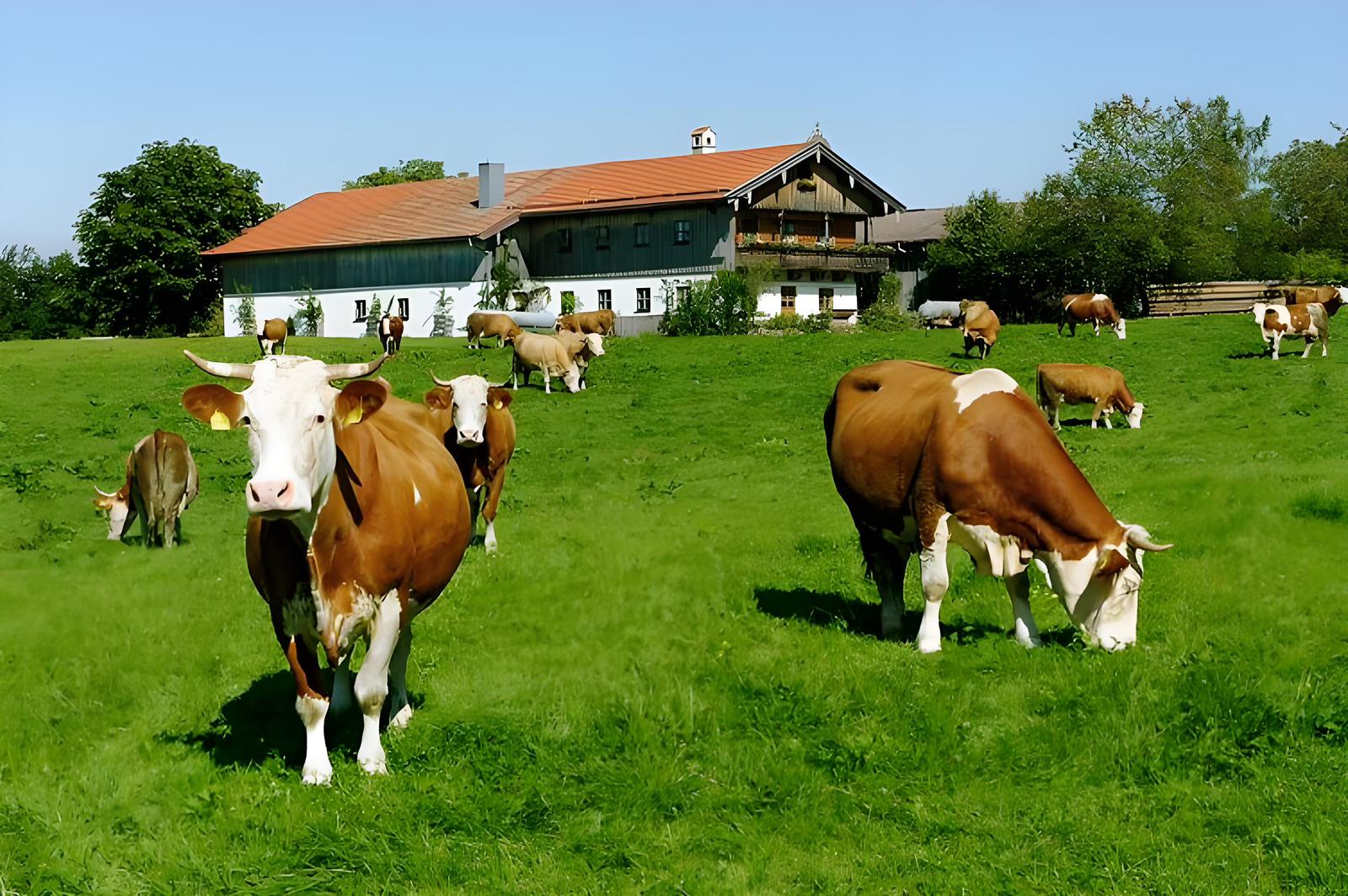
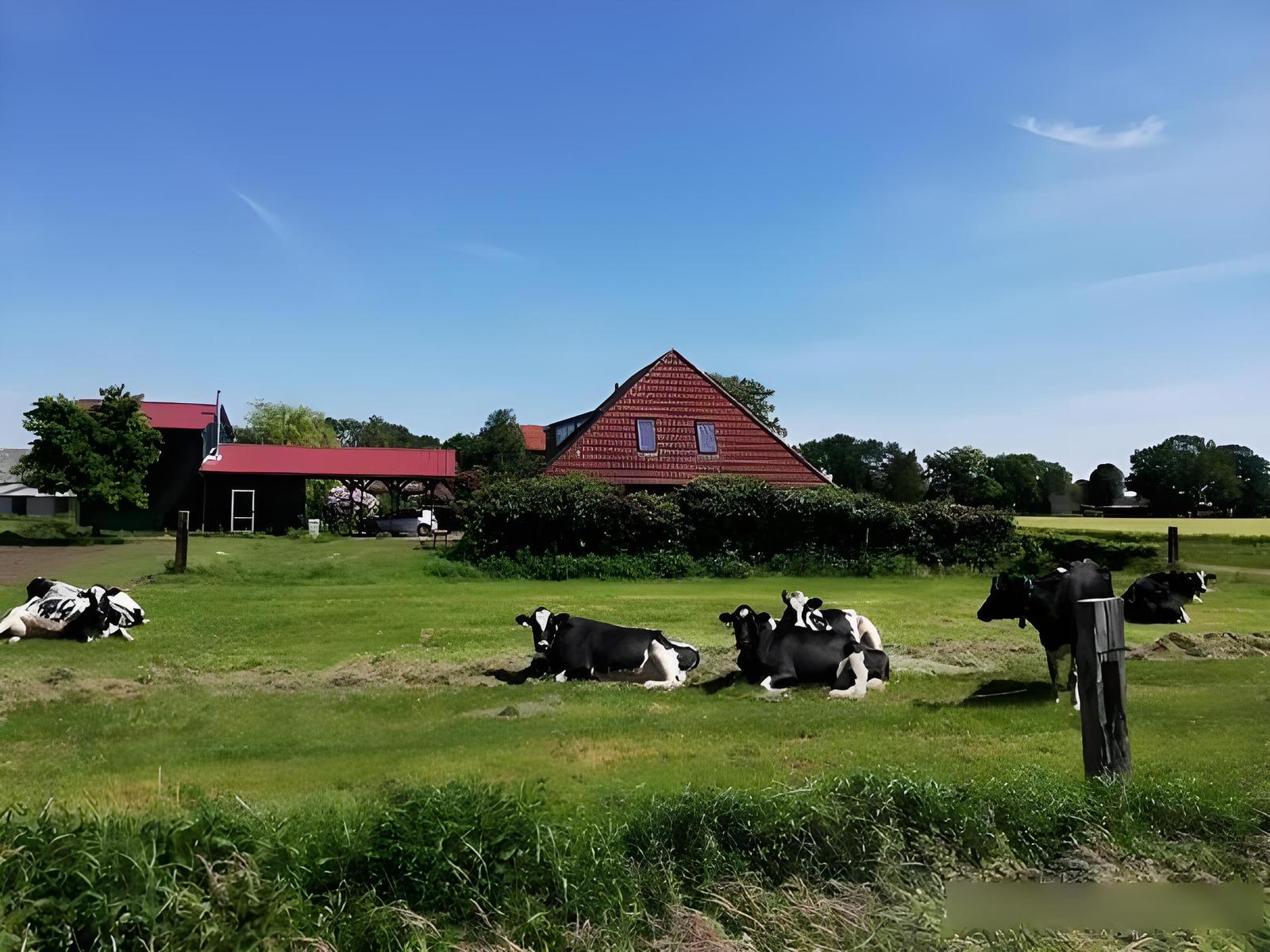
Program Overview
Buying a British farm
Project Description
I. Core Positioning of the UK Farm Market
The biggest difference between the UK farm market and continental European farms is that land ownership is not a prerequisite for operation. In the UK, approximately 70% of agricultural land (TP3T) is managed by tenants, forming a mature system of division of labor between landowners and farmers. Farms available for purchase on the market mainly fall into three categories:
• Commercial Farm: A fully equipped business entity with farmhouses and outbuildings, ranging in size from tens of acres to thousands of acres;
• Smallholding / Bare Land: Typically 5 to 100 acres, suitable for small-scale agricultural production, leisure agriculture, or carbon sequestration investment;
• Estate Farm: A large residential rural property that includes farmland, woodland, lakes, and even multiple residences.
In 2025, the total area of farmland on the UK market will be 165,000 acres, a decrease of 121 TP3T from 2024, and the number of listed properties will decrease by 131 TP3T to 882, but it will still be the second most active year since 2018. Farmers' pension expenditures and retirement plans remain a continued driver of robust listings.
II. Price Range and Regional Distribution
The pricing system for British farms exhibits clear regional and tiered characteristics, primarily distinguished as follows:
(a) Bare land prices (average per acre), primarily in England
Land type, 2025 price range (£/acre), early 2026 price.
Arable Land: £8,300–£13,500, average £9,491/ac (Q1 2026)
Pasture Land: £5,000–£9,400, average £8,622/ac (Q1 2026)
By 2025, the average price of bare agricultural land in England and Wales had cumulatively decreased by approximately 51 TP3T, with arable land averaging £11,000 per acre, a decrease of 21 TP3T from 2024. However, significant regional differences were observed: approximately 301 TP3T of arable land sold for over £12,000 per acre, indicating that high-value land prices remained firm. In the southwest, arable land was around £10,750 per acre, and pastureland around £8,750 per acre.
(ii) Whole farm price
Commercial farms with residential units, buildings, and full facilities have a wider price range due to differences in size, building condition, and production structure. Base prices are approximately £5,000–£12,000 per acre. Strong demand for high-quality commercial farms with existing infrastructure is expected to drive participation from both UK buyers and international investors by 2025.
III. Market Dynamics and Trends in 2025-2026
1. The agricultural subsidy system has undergone a fundamental transformation. The UK essentially completed its transition from the EU Basic Payments Scheme (BPS) to the Environmental Land Management Scheme (ELMS) by 2025. The Labour government has pledged to increase ELMS funding by £150% from current levels to £2 billion by 2029. The 2025/26 Defra agricultural budget has already allocated £1.8 billion to ELMS.
2. Farmers remain the dominant buyers, while institutional investors are emerging as an emerging force. Farmers (especially sellers holding deferred income) still dominate the buying, but institutional and environmental investors are showing significant interest in land with biodiversity, carbon offsetting, and long-term strategic value.
3. The market is showing signs of activity but caution. Prices for undeveloped agricultural land fell by 0.61 TP3T in Q4 2025 and slightly decreased by 0.91 TP3T in Q1 2026. Knight Frank expects the market to remain relatively stable in 2026. Over-the-counter and private transactions remain active.
4. The Major Impact of Agricultural Property Relief (APR) Reform. This is the most significant policy change currently facing the purchase of UK farms – the Autumn 2024 Budget announced that, from April 6, 2026, the combined lifetime APR and business property relief will be capped at £1 million, with any amount exceeding this capped at 20% inheritance tax (previously fully exempt). This reform will affect the succession of almost all family farms.
Project Description
I. Core Positioning of the UK Farm Market
The biggest difference between the UK farm market and continental European farms is that land ownership is not a prerequisite for operation. In the UK, approximately 70% of agricultural land (TP3T) is managed by tenants, forming a mature system of division of labor between landowners and farmers. Farms available for purchase on the market mainly fall into three categories:
• Commercial Farm: A fully equipped business entity with farmhouses and outbuildings, ranging in size from tens of acres to thousands of acres;
• Smallholding / Bare Land: Typically 5 to 100 acres, suitable for small-scale agricultural production, leisure agriculture, or carbon sequestration investment;
• Estate Farm: A large residential rural property that includes farmland, woodland, lakes, and even multiple residences.
In 2025, the total area of farmland on the UK market will be 165,000 acres, a decrease of 121 TP3T from 2024, and the number of listed properties will decrease by 131 TP3T to 882, but it will still be the second most active year since 2018. Farmers' pension expenditures and retirement plans remain a continued driver of robust listings.
II. Price Range and Regional Distribution
The pricing system for British farms exhibits clear regional and tiered characteristics, primarily distinguished as follows:
(a) Bare land prices (average per acre), primarily in England
Land type, 2025 price range (£/acre), early 2026 price.
Arable Land: £8,300–£13,500, average £9,491/ac (Q1 2026)
Pasture Land: £5,000–£9,400, average £8,622/ac (Q1 2026)
By 2025, the average price of bare agricultural land in England and Wales had cumulatively decreased by approximately 51 TP3T, with arable land averaging £11,000 per acre, a decrease of 21 TP3T from 2024. However, significant regional differences were observed: approximately 301 TP3T of arable land sold for over £12,000 per acre, indicating that high-value land prices remained firm. In the southwest, arable land was around £10,750 per acre, and pastureland around £8,750 per acre.
(ii) Whole farm price
Commercial farms with residential units, buildings, and full facilities have a wider price range due to differences in size, building condition, and production structure. Base prices are approximately £5,000–£12,000 per acre. Strong demand for high-quality commercial farms with existing infrastructure is expected to drive participation from both UK buyers and international investors by 2025.
III. Market Dynamics and Trends in 2025-2026
1. The agricultural subsidy system has undergone a fundamental transformation. The UK essentially completed its transition from the EU Basic Payments Scheme (BPS) to the Environmental Land Management Scheme (ELMS) by 2025. The Labour government has pledged to increase ELMS funding by £150% from current levels to £2 billion by 2029. The 2025/26 Defra agricultural budget has already allocated £1.8 billion to ELMS.
2. Farmers remain the dominant buyers, while institutional investors are emerging as an emerging force. Farmers (especially sellers holding deferred income) still dominate the buying, but institutional and environmental investors are showing significant interest in land with biodiversity, carbon offsetting, and long-term strategic value.
3. The market is showing signs of activity but caution. Prices for undeveloped agricultural land fell by 0.61 TP3T in Q4 2025 and slightly decreased by 0.91 TP3T in Q1 2026. Knight Frank expects the market to remain relatively stable in 2026. Over-the-counter and private transactions remain active.
4. The Major Impact of Agricultural Property Relief (APR) Reform. This is the most significant policy change currently facing the purchase of UK farms – the Autumn 2024 Budget announced that, from April 6, 2026, the combined lifetime APR and business property relief will be capped at £1 million, with any amount exceeding this capped at 20% inheritance tax (previously fully exempt). This reform will affect the succession of almost all family farms.
Eligibility & Requirements
Evaluate
I. Advantages
1. No Nationality Restrictions for Foreign Buyers – UK Agricultural Land is Fully Open to Overseas Buyers. The UK imposes no nationality restrictions on foreign purchases of real estate (including agricultural land and farms). Regardless of nationality or immigration status, foreign buyers enjoy the same purchasing rights as UK citizens. While agricultural land purchases involve additional planning permits and use restrictions, there are no legal exclusions regarding ownership itself – a significant advantage over many other European countries (such as Austria and Poland, which require Home Office approval).
2. Mixed-use SDLT can significantly reduce stamp duty burden. In the UK, stamp duty on farms is calculated separately for mixed-use (residential and non-residential portions) and fully residential farms, with a significant difference in tax rates:
• Non-residential/mixed use: applicable commercial tax rate (0%–5%);
• Residential: Applicable residential tax rate (0%–15%, depending on house price and buyer type).
Because agricultural land is considered non-residential, farmland, barns, workshops, and other working buildings on a farm can all be counted as non-residential, thus enjoying a lower tax rate. For example, purchasing a farm that includes both residential and agricultural buildings could save tens to hundreds of thousands of pounds in stamp duty compared to simply purchasing a residential property. However, the 17% apartment tax relief for farm owners is not determined solely on the date of purchase—within three years of the transaction, the farm residence must be linked to an eligible agricultural operation and occupied by eligible farm workers; otherwise, the relief may be revoked.
⚠️ Risk Warning: The UK government has recently tightened this preferential pathway. Some tax authorities are beginning to determine that grazing permits or agricultural building permits alone are insufficient to establish genuine "mixed use." Buyers who misclassify their land use may incur additional taxes ranging from tens to hundreds of thousands of pounds and face a four-year investigation by HMRC.
3. Agricultural Property Relief (APR) was once a world-class estate tax exemption (but is about to be cut off). The UK's Agricultural Property Relief allowed 100% exemptions from estate tax on agricultural property and certain forestry property.
⚠️ Major Policy Changes (Effective April 6, 2026): From April 6, 2026, the maximum total exemption for individuals applying for combined agricultural and corporate property relief will be £1 million. Amounts exceeding this will only be eligible for the 50% exemption (i.e., the effective 20% tax rate). The previous practice of using annual gifts to circumvent the new regulations has been significantly reduced. Therefore, buyers planning to close within 6 to 12 months must redesign their succession structures; inheritance costs exceeding £1 million must be borne by cash flow.
4. Continued payments of agricultural subsidies (ELMS, etc.). The Environmental Land Management Scheme (ELMS) comprises three core programs: the more rewilding-oriented Landscape Recovery, Countryside Stewardship, and Sustainable Farming Incentive (SFI). New applications for SFI closed in March 2025 and will reopen in 2026. Application requirements and rates may be adjusted upon reopening in 2026. Furthermore, the expectation of solely relying on agricultural subsidies to cover holding costs needs to be adjusted, as the transition from BPS to ELMS involves a reduction in the total payments per farm.
5. Diversified income sources and the increasing value of natural capital. In addition to profits from traditional agricultural production, British farms are increasingly looking to generate additional income through the following methods:
• Carbon sequestration trading and sales of net biodiversity gains (BNG) credits;
• Solar or wind power leasing;
• Transformation of agricultural and forestry subsidies;
• Commercial operation of rural wedding/vacation/event spaces;
• Establishment of natural capital reserve sites.
6. The UK legal system is transparent and its land registry is comprehensive. The official registers provided by HM Land Registry ensure clear title traceability, and the buyer's lawyer can access records to confirm ownership, mortgages, easements, and restrictions. The mature UK legal system for title transfers reduces the risks associated with ambiguity in title ownership.
II. Major Risks and Costs
1. Registration of Overseas Entities (ROE) significantly increases transaction complexity. If a foreign buyer owns a farm as a legal entity (such as an offshore company or a company not registered in the UK), they must first register it in the Companies House's Register of Overseas Entities (ROE), disclosing the beneficial owner and management control structure. The registration process typically takes 4–12 weeks, and failure to complete land registration during this period can lead to serious transaction delays.
2. Agricultural land use planning is subject to extremely strict restrictions. For a long time, rural greenbelts and large areas of farmland have been restricted by the Urban and Rural Planning Act and Article 4 Directive. The development rights and changes in the use rights of agricultural land are strictly regulated.
• The right to convert agricultural buildings to residential use (Class Q) applies only to agricultural production units with an area of 5 hectares or more, and for 10 years after the conversion, the Part 6 PD rights of the agricultural unit are suspended—no new sheds or other agricultural buildings may be built or expanded after the conversion, and no formal planning permission is required.
• No new permanent residential buildings may be constructed on agricultural land without planning permission; if a new farmhouse is to be built, it must be proven to be functionally necessary and must undergo a rigorous review by planning authorities and expert advisors before approval can be granted.
3. The Importance of Agricultural Leases and Ancillary Rights. Many farms are sold with existing agricultural leases (such as Farm Business Tenancy, FBT). Under UK law, tenants enjoy multiple rights—such as the right of first refusal and the right of inheritance. The type of lease (AHA, FBT, ELFBT, etc.) determines the length of the lease term and whether the land is recoverable or completely irrecoverable.
In 2025, a new form of environmental lease (eFBT) was introduced, aiming to incorporate natural capital and environmental requirements into lease agreement terms. Buyers must understand the limitations this new lease framework places on their land management decisions. Furthermore, third-party rights such as road access easements, drainage rights, and common land rights exist, any of which could potentially affect the farm's future actual use.
4. The Impact of New Inheritance Tax Rules on Succession Planning. The APR cap, effective April 6, 2026, will affect almost all non-UK buyers purchasing farms. For example, for a £4 million farm, the first £1 million eligible for exemption will be subject to £0% inheritance tax; the remaining £3 million will be taxed at the 20% rate, amounting to £600,000. This could force heirs to sell assets to pay the tax. It's important to clarify that this reform affects inheritance tax, not a one-off tax at the time of purchase, but should be considered as a long-term holding cost from the outset.
5. Marginal profits, operating costs, and cash flow pressures. The farm's annual operating costs include:
• Maintenance, repair, and insurance of agricultural buildings (significantly more expensive than residential buildings) – repair of agricultural building structures and replacement of equipment;
• Maintenance of land drainage systems (which are very costly);
• Agricultural machinery depreciation and energy input.
• Fluctuations in agricultural product prices and crop prices can easily lead to annual losses.
6. Banks' cautious approach to agricultural land lending. Banks typically view farms as high-risk, low-liquidity assets, requiring high down payments (30%–50%). Loan-to-value (LTV) ratios are generally between 50% and 70%—especially stringent restrictions are imposed on small, amateur farms with no farming history and no stable cash flow from buyers.
7. Environmental Compliance and Legal Liability Risks. Farms may be subject to environmental legal liabilities related to soil health standards, water protection boundaries, carbon emission quotas, and wildlife habitat protection. If the buyer proceeds with land preparation without prior approval, regulatory agencies may forcibly stop the process and issue immediate fines.
I. Advantages
1. No Nationality Restrictions for Foreign Buyers – UK Agricultural Land is Fully Open to Overseas Buyers. The UK imposes no nationality restrictions on foreign purchases of real estate (including agricultural land and farms). Regardless of nationality or immigration status, foreign buyers enjoy the same purchasing rights as UK citizens. While agricultural land purchases involve additional planning permits and use restrictions, there are no legal exclusions regarding ownership itself – a significant advantage over many other European countries (such as Austria and Poland, which require Home Office approval).
2. Mixed-use SDLT can significantly reduce stamp duty burden. In the UK, stamp duty on farms is calculated separately for mixed-use (residential and non-residential portions) and fully residential farms, with a significant difference in tax rates:
• Non-residential/mixed use: applicable commercial tax rate (0%–5%);
• Residential: Applicable residential tax rate (0%–15%, depending on house price and buyer type).
Because agricultural land is considered non-residential, farmland, barns, workshops, and other working buildings on a farm can all be counted as non-residential, thus enjoying a lower tax rate. For example, purchasing a farm that includes both residential and agricultural buildings could save tens to hundreds of thousands of pounds in stamp duty compared to simply purchasing a residential property. However, the 17% apartment tax relief for farm owners is not determined solely on the date of purchase—within three years of the transaction, the farm residence must be linked to an eligible agricultural operation and occupied by eligible farm workers; otherwise, the relief may be revoked.
⚠️ Risk Warning: The UK government has recently tightened this preferential pathway. Some tax authorities are beginning to determine that grazing permits or agricultural building permits alone are insufficient to establish genuine "mixed use." Buyers who misclassify their land use may incur additional taxes ranging from tens to hundreds of thousands of pounds and face a four-year investigation by HMRC.
3. Agricultural Property Relief (APR) was once a world-class estate tax exemption (but is about to be cut off). The UK's Agricultural Property Relief allowed 100% exemptions from estate tax on agricultural property and certain forestry property.
⚠️ Major Policy Changes (Effective April 6, 2026): From April 6, 2026, the maximum total exemption for individuals applying for combined agricultural and corporate property relief will be £1 million. Amounts exceeding this will only be eligible for the 50% exemption (i.e., the effective 20% tax rate). The previous practice of using annual gifts to circumvent the new regulations has been significantly reduced. Therefore, buyers planning to close within 6 to 12 months must redesign their succession structures; inheritance costs exceeding £1 million must be borne by cash flow.
4. Continued payments of agricultural subsidies (ELMS, etc.). The Environmental Land Management Scheme (ELMS) comprises three core programs: the more rewilding-oriented Landscape Recovery, Countryside Stewardship, and Sustainable Farming Incentive (SFI). New applications for SFI closed in March 2025 and will reopen in 2026. Application requirements and rates may be adjusted upon reopening in 2026. Furthermore, the expectation of solely relying on agricultural subsidies to cover holding costs needs to be adjusted, as the transition from BPS to ELMS involves a reduction in the total payments per farm.
5. Diversified income sources and the increasing value of natural capital. In addition to profits from traditional agricultural production, British farms are increasingly looking to generate additional income through the following methods:
• Carbon sequestration trading and sales of net biodiversity gains (BNG) credits;
• Solar or wind power leasing;
• Transformation of agricultural and forestry subsidies;
• Commercial operation of rural wedding/vacation/event spaces;
• Establishment of natural capital reserve sites.
6. The UK legal system is transparent and its land registry is comprehensive. The official registers provided by HM Land Registry ensure clear title traceability, and the buyer's lawyer can access records to confirm ownership, mortgages, easements, and restrictions. The mature UK legal system for title transfers reduces the risks associated with ambiguity in title ownership.
II. Major Risks and Costs
1. Registration of Overseas Entities (ROE) significantly increases transaction complexity. If a foreign buyer owns a farm as a legal entity (such as an offshore company or a company not registered in the UK), they must first register it in the Companies House's Register of Overseas Entities (ROE), disclosing the beneficial owner and management control structure. The registration process typically takes 4–12 weeks, and failure to complete land registration during this period can lead to serious transaction delays.
2. Agricultural land use planning is subject to extremely strict restrictions. For a long time, rural greenbelts and large areas of farmland have been restricted by the Urban and Rural Planning Act and Article 4 Directive. The development rights and changes in the use rights of agricultural land are strictly regulated.
• The right to convert agricultural buildings to residential use (Class Q) applies only to agricultural production units with an area of 5 hectares or more, and for 10 years after the conversion, the Part 6 PD rights of the agricultural unit are suspended—no new sheds or other agricultural buildings may be built or expanded after the conversion, and no formal planning permission is required.
• No new permanent residential buildings may be constructed on agricultural land without planning permission; if a new farmhouse is to be built, it must be proven to be functionally necessary and must undergo a rigorous review by planning authorities and expert advisors before approval can be granted.
3. The Importance of Agricultural Leases and Ancillary Rights. Many farms are sold with existing agricultural leases (such as Farm Business Tenancy, FBT). Under UK law, tenants enjoy multiple rights—such as the right of first refusal and the right of inheritance. The type of lease (AHA, FBT, ELFBT, etc.) determines the length of the lease term and whether the land is recoverable or completely irrecoverable.
In 2025, a new form of environmental lease (eFBT) was introduced, aiming to incorporate natural capital and environmental requirements into lease agreement terms. Buyers must understand the limitations this new lease framework places on their land management decisions. Furthermore, third-party rights such as road access easements, drainage rights, and common land rights exist, any of which could potentially affect the farm's future actual use.
4. The Impact of New Inheritance Tax Rules on Succession Planning. The APR cap, effective April 6, 2026, will affect almost all non-UK buyers purchasing farms. For example, for a £4 million farm, the first £1 million eligible for exemption will be subject to £0% inheritance tax; the remaining £3 million will be taxed at the 20% rate, amounting to £600,000. This could force heirs to sell assets to pay the tax. It's important to clarify that this reform affects inheritance tax, not a one-off tax at the time of purchase, but should be considered as a long-term holding cost from the outset.
5. Marginal profits, operating costs, and cash flow pressures. The farm's annual operating costs include:
• Maintenance, repair, and insurance of agricultural buildings (significantly more expensive than residential buildings) – repair of agricultural building structures and replacement of equipment;
• Maintenance of land drainage systems (which are very costly);
• Agricultural machinery depreciation and energy input.
• Fluctuations in agricultural product prices and crop prices can easily lead to annual losses.
6. Banks' cautious approach to agricultural land lending. Banks typically view farms as high-risk, low-liquidity assets, requiring high down payments (30%–50%). Loan-to-value (LTV) ratios are generally between 50% and 70%—especially stringent restrictions are imposed on small, amateur farms with no farming history and no stable cash flow from buyers.
7. Environmental Compliance and Legal Liability Risks. Farms may be subject to environmental legal liabilities related to soil health standards, water protection boundaries, carbon emission quotas, and wildlife habitat protection. If the buyer proceeds with land preparation without prior approval, regulatory agencies may forcibly stop the process and issue immediate fines.
Application Process & Advice
suggestion
I. Clarify the type and purpose of the farm
British farms are typically categorized into three types based on their operational nature; buyers need to clearly define their own needs:
Type, area/price range, buyer profile, key characteristics
Amateur farms/small rural estates of 5–50 acres, priced between £200,000 and £1,000,000, are for lifestyle buyers who are not professional farmers and primarily live in their homes. These buyers do not generate stable agricultural income and place great importance on the residential environment.
Commercial farms of 100–500 acres, with an investment of £1 million–£4 million or more, generate agricultural income for professional farmers or agricultural enterprises, and can be combined with government subsidies, targeting long-term investment.
There are no restrictions on the area of land invested by institutions/environmentally conscious investors. Investment amounts are high, and investors in high-carbon and biodiversity capital focus on natural capital and carbon sequestration returns, often accompanied by leasing and management needs.
II. Establishing a professional team
Buying a farm in the UK is far more complex than buying a regular house and requires hiring the following specialized roles:
• Agricultural Solicitor: This is the key role in farmland purchases. It's essential to ensure the lawyer has specialized experience—understanding the definition of an agricultural holding unit, FBT lease structure, succession planning, etc.—to guarantee the legal validity of the contract. The lawyer must perform the following tasks: obtain title deeds and registration records from HMLR; review any lease structures and easements on the farm; and confirm that the land cannot be easily terminated under an AHA lease or FBT lease.
• Chartered Surveyor (RICS, specializing in agriculture): Assessing farmland soil grades, drainage capacity, building safety and maintenance budgets, and preparing valuation reports for lenders. Ground surveys are particularly necessary for assessing potential environmental contamination.
• Tax and inheritance planners: Accountants or financial advisors must be engaged to design inheritance tax planning and personal income tax optimization in light of the new APR rules that will come into effect in April 2026. Farmers and high-net-worth buyers across the UK believe this change will have a significant impact on the long-term viability of almost all family farms.
• Agricultural brokers: Provide professional assessments on market prices, sales methods, and open bidding.
III. Budget Preparation Recommendations
Overall budget framework recommendations:
Recommendation on the proportion of the project cost to the purchase price
Farm purchase price (including agent commission): 60%–75%
Stamp duty: Agricultural operating subsidies (full purchase by the farm) are calculated in detail in the table below.
Legal fees + due diligence + measurement of purchase price 1%–3% (farm complex category)
Emergency/Repair Reserves (Building, Drainage, Machinery) 15% – 35% of the purchase price
Annual operating reserve housing purchase price: 2%–5%/year
Stamp duty calculation (based on mixed use): Farm structures containing residential and agricultural land – for example, a farm with a total sale price of £1.5 million.
• Step 1: Differentiate the purchase price of the residential portion (e.g., the house can be priced separately and the land) from the purchase price of the remaining agricultural portion (farmland, pasture, barn, and equipment workshop).
• The residential portion is subject to the progressive SDLT tax rate (zero rate starting at £0–£125k, followed by 2%, etc.).
• Transaction prices for the non-residential portion of farmland/buildings are subject to 0%–5%.
However, whether farmhouses on farms are eligible for tax exemptions is a classification highly dependent on facts and planning restrictions. Even if a mixed-use designation is obtained, there is still the risk of HMRC compliance review, and potential legal costs will increase, thus requiring professional accounting guidance.
IV. Succession Planning Around April 6, 2026
Almost all Chinese buyers of large farms expect to pass them down to their children as part of their family wealth. This goal may become more difficult after April 2026.
• For owners who died before April 6, 2026: the 100% exemption balance can still be applied (full exemption from estate tax).
• For owners who die after 6 April 2026: Agricultural property exceeding £1 million (i.e., after deducting the exemption in an individual's name) is subject to inheritance tax under 20%.
• Alternative strategy: Establish a trust during the lifetime and gradually transfer the farmland to the trust or to the children. Utilizing the seven-year gift rule is more feasible than before, but high-net-worth families often have assets exceeding this single strategy. The farm's agricultural characteristics must be maintained in the long term to continue receiving APR benefits. Lawyers and tax experts must design corporate/partnership arrangements or consider leases, hiring management companies, etc., to avoid tax pitfalls in inheritance.
V. Due diligence needs to be conducted in greater depth.
The due diligence required for purchasing a farm far exceeds that for a regular house, and each item must be verified:
• Field investigation by the Land Registry (HMLR): including the full text of the land register, all encumbrances, easements and restrictive covenants, and any publicly disclosed ownership of rights.
• Existence of lease agreements: Check for any AHA 1986, FBT 1995, or other FBT extension contracts, and examine the rights of the land use right holder (often leases not disclosed by the core seller, which will significantly reduce the farm's value).
• Historical agricultural subsidies and recovery status: Whether there have been any “excessive advance payments” in the BPS or ELMS grants received by the seller, and whether any unfulfilled environmental agreements will continue to the buyer and create performance burdens.
• Environmental and pollution review: The cost of remediation is extremely high for previously used pesticides or chemicals exceeding the standards, waste buried in the soil, construction asbestos, etc.
• Boundaries and public right of way: Many rural public trails in the UK run through farms, which could impact privacy and security at critical moments.
VI. ELMS Program: Ensuring Subsidy Continuity
Buyers can apply to the UK Department for Environment, Food and Rural Affairs (Defra) to become new recipients of ELMS subsidies. Applications require a complete land management plan and may require commitments to measures such as peatland restoration and animal habitat creation to activate the subsidies.
• The Sustainable Agriculture Incentive (SFI) has an indefinite closing period; applications should be submitted as soon as it opens.
• Countryside Stewardship Mid Tier and similar programs are open but highly competitive.
• Ensure that the seller receives full payment of the compliance commitments made in the previous years and completes the transfer of ownership in a timely manner, so as to ensure a full transition of state-owned subsidy rights.
Process of purchasing a UK farm
Similar to residential transactions, farm transactions in the UK follow a two-stage mechanism of "contract exchange → completion," but are more complex in areas such as agricultural surveys and leasing.
Phase 1: Funding preparation, team building, and professional solution development (4–8 weeks)
• Define the overall budget framework – purchase price, stamp duty, down payment percentage (generally 20%–50%), measurements, and balance between available loans or equity;
• Hire agricultural specialist lawyers, tax advisors, and chartered surveyors;
Consult with specialized agricultural lending institutions to obtain preliminary approval for a loan in principle (or for use by overseas buyers).
Phase Two: Farm Search, Site Visits, and Quotations (2–8 months, depending on farm scarcity)
• Search for farms through professional rural agencies such as Savills, Knight Frank, and Strutt & Parker (most of which are not publicly listed and are only disclosed to pre-selected buyer agencies).
• Submit a formal written offer; the seller may accept either an open tender or a private contract.
Phase 3: Signing the Heads of Terms (optional)
• The contractual summary reached by the lawyers of both the buyer and seller regarding the acquisition price, closing schedule, and due diligence arrangements is not a legally binding sales contract, but rather a preliminary document outlining the intention to purchase.
• The buyer pays £10,000–£50,000 as a deposit (fully refundable) to be held in a lawyer’s account in exchange for exclusive rights for a certain period.
Phase 4: Pre-contract due diligence and draft contract review (4–12 weeks)
Agricultural lawyers must complete the following at this stage:
• Full confirmation of property registration at HM Land Registry (complete ownership chain, lease entries, etc.);
• Serialized rural search (based on ALA's standard agricultural land contract pre-query question form).
• A chartered surveyor issues a Class III building and land report.
• Conduct environmental sampling inspections (such as arsenic compounds, pesticide treatments, radioactive labeling, soil carbon content, etc.) to ensure there are no undisclosed deficiencies.
• Verify the seller's historical subsidy bundling practices and any unfulfilled compliance commitments.
Phase 5: Exchange of Contracts
This node marks the lock-in of the transaction. The buyer pays a deposit of 10% (10% of the contract price). If the buyer defaults, the deposit is forfeited by the seller in principle; if the seller reneges, the deposit will be returned double.
• The lawyers for both the buyer and seller exchange the signed contract documents simultaneously, after which the contract becomes legally binding.
• All due diligence and pre-condition verification must be completed before the exchange.
Phase 6: From exchange to completion (usually 4–12 weeks)
• The buyer is ready to pay the remaining balance (final payment) and stamp duty.
• After customs and government departments complete the overseas entity registration approval, they submit the final funding to the seller's lawyer.
• The buyer's lawyer submits the stamp duty payment certificate to the Land Registry to formally transfer the registration of ownership to the buyer.
Phase 7: Completion Date
• Both parties agree on a predetermined date for the seller to deliver the vacancy rights and keys to all houses and buildings on the vacant farm.
The buyer pays the seller the purchase price after the final payment is settled. Both the buyer and seller sign the transfer record together.
Phase 8: Land registration upon completion
• The buyer’s conveyancer/solicitor will submit all registration documents to the Land Registry to apply for the formal registration of the buyer’s ownership in the Land Register system.
Overall Time Frame
Estimated time for each stage
Funding preparation + professional team setup + loan pre-approval (4-8 weeks)
Farm search + on-site inspection + quotation 2–8 months (low farm listing rate)
Terms summary signing 1–2 weeks
Pre-contract due diligence takes 6–12 weeks (longer than for housing).
Exchange of contracts 1 week
The exchange is completed in 4–12 weeks (longer for large farms).
Land Registry Registration: 4–8 weeks
From initial offer to final title acquisition, the entire process for UK buyers takes approximately 5–9 months, which can be extended to 12 months due to complex farm lease structures and loan approval delays. For overseas entities, the requirement for ROE registration typically adds another 4 to 12 weeks to the total time, averaging 6–12 months overall.
I. Clarify the type and purpose of the farm
British farms are typically categorized into three types based on their operational nature; buyers need to clearly define their own needs:
Type, area/price range, buyer profile, key characteristics
Amateur farms/small rural estates of 5–50 acres, priced between £200,000 and £1,000,000, are for lifestyle buyers who are not professional farmers and primarily live in their homes. These buyers do not generate stable agricultural income and place great importance on the residential environment.
Commercial farms of 100–500 acres, with an investment of £1 million–£4 million or more, generate agricultural income for professional farmers or agricultural enterprises, and can be combined with government subsidies, targeting long-term investment.
There are no restrictions on the area of land invested by institutions/environmentally conscious investors. Investment amounts are high, and investors in high-carbon and biodiversity capital focus on natural capital and carbon sequestration returns, often accompanied by leasing and management needs.
II. Establishing a professional team
Buying a farm in the UK is far more complex than buying a regular house and requires hiring the following specialized roles:
• Agricultural Solicitor: This is the key role in farmland purchases. It's essential to ensure the lawyer has specialized experience—understanding the definition of an agricultural holding unit, FBT lease structure, succession planning, etc.—to guarantee the legal validity of the contract. The lawyer must perform the following tasks: obtain title deeds and registration records from HMLR; review any lease structures and easements on the farm; and confirm that the land cannot be easily terminated under an AHA lease or FBT lease.
• Chartered Surveyor (RICS, specializing in agriculture): Assessing farmland soil grades, drainage capacity, building safety and maintenance budgets, and preparing valuation reports for lenders. Ground surveys are particularly necessary for assessing potential environmental contamination.
• Tax and inheritance planners: Accountants or financial advisors must be engaged to design inheritance tax planning and personal income tax optimization in light of the new APR rules that will come into effect in April 2026. Farmers and high-net-worth buyers across the UK believe this change will have a significant impact on the long-term viability of almost all family farms.
• Agricultural brokers: Provide professional assessments on market prices, sales methods, and open bidding.
III. Budget Preparation Recommendations
Overall budget framework recommendations:
Recommendation on the proportion of the project cost to the purchase price
Farm purchase price (including agent commission): 60%–75%
Stamp duty: Agricultural operating subsidies (full purchase by the farm) are calculated in detail in the table below.
Legal fees + due diligence + measurement of purchase price 1%–3% (farm complex category)
Emergency/Repair Reserves (Building, Drainage, Machinery) 15% – 35% of the purchase price
Annual operating reserve housing purchase price: 2%–5%/year
Stamp duty calculation (based on mixed use): Farm structures containing residential and agricultural land – for example, a farm with a total sale price of £1.5 million.
• Step 1: Differentiate the purchase price of the residential portion (e.g., the house can be priced separately and the land) from the purchase price of the remaining agricultural portion (farmland, pasture, barn, and equipment workshop).
• The residential portion is subject to the progressive SDLT tax rate (zero rate starting at £0–£125k, followed by 2%, etc.).
• Transaction prices for the non-residential portion of farmland/buildings are subject to 0%–5%.
However, whether farmhouses on farms are eligible for tax exemptions is a classification highly dependent on facts and planning restrictions. Even if a mixed-use designation is obtained, there is still the risk of HMRC compliance review, and potential legal costs will increase, thus requiring professional accounting guidance.
IV. Succession Planning Around April 6, 2026
Almost all Chinese buyers of large farms expect to pass them down to their children as part of their family wealth. This goal may become more difficult after April 2026.
• For owners who died before April 6, 2026: the 100% exemption balance can still be applied (full exemption from estate tax).
• For owners who die after 6 April 2026: Agricultural property exceeding £1 million (i.e., after deducting the exemption in an individual's name) is subject to inheritance tax under 20%.
• Alternative strategy: Establish a trust during the lifetime and gradually transfer the farmland to the trust or to the children. Utilizing the seven-year gift rule is more feasible than before, but high-net-worth families often have assets exceeding this single strategy. The farm's agricultural characteristics must be maintained in the long term to continue receiving APR benefits. Lawyers and tax experts must design corporate/partnership arrangements or consider leases, hiring management companies, etc., to avoid tax pitfalls in inheritance.
V. Due diligence needs to be conducted in greater depth.
The due diligence required for purchasing a farm far exceeds that for a regular house, and each item must be verified:
• Field investigation by the Land Registry (HMLR): including the full text of the land register, all encumbrances, easements and restrictive covenants, and any publicly disclosed ownership of rights.
• Existence of lease agreements: Check for any AHA 1986, FBT 1995, or other FBT extension contracts, and examine the rights of the land use right holder (often leases not disclosed by the core seller, which will significantly reduce the farm's value).
• Historical agricultural subsidies and recovery status: Whether there have been any “excessive advance payments” in the BPS or ELMS grants received by the seller, and whether any unfulfilled environmental agreements will continue to the buyer and create performance burdens.
• Environmental and pollution review: The cost of remediation is extremely high for previously used pesticides or chemicals exceeding the standards, waste buried in the soil, construction asbestos, etc.
• Boundaries and public right of way: Many rural public trails in the UK run through farms, which could impact privacy and security at critical moments.
VI. ELMS Program: Ensuring Subsidy Continuity
Buyers can apply to the UK Department for Environment, Food and Rural Affairs (Defra) to become new recipients of ELMS subsidies. Applications require a complete land management plan and may require commitments to measures such as peatland restoration and animal habitat creation to activate the subsidies.
• The Sustainable Agriculture Incentive (SFI) has an indefinite closing period; applications should be submitted as soon as it opens.
• Countryside Stewardship Mid Tier and similar programs are open but highly competitive.
• Ensure that the seller receives full payment of the compliance commitments made in the previous years and completes the transfer of ownership in a timely manner, so as to ensure a full transition of state-owned subsidy rights.
Process of purchasing a UK farm
Similar to residential transactions, farm transactions in the UK follow a two-stage mechanism of "contract exchange → completion," but are more complex in areas such as agricultural surveys and leasing.
Phase 1: Funding preparation, team building, and professional solution development (4–8 weeks)
• Define the overall budget framework – purchase price, stamp duty, down payment percentage (generally 20%–50%), measurements, and balance between available loans or equity;
• Hire agricultural specialist lawyers, tax advisors, and chartered surveyors;
Consult with specialized agricultural lending institutions to obtain preliminary approval for a loan in principle (or for use by overseas buyers).
Phase Two: Farm Search, Site Visits, and Quotations (2–8 months, depending on farm scarcity)
• Search for farms through professional rural agencies such as Savills, Knight Frank, and Strutt & Parker (most of which are not publicly listed and are only disclosed to pre-selected buyer agencies).
• Submit a formal written offer; the seller may accept either an open tender or a private contract.
Phase 3: Signing the Heads of Terms (optional)
• The contractual summary reached by the lawyers of both the buyer and seller regarding the acquisition price, closing schedule, and due diligence arrangements is not a legally binding sales contract, but rather a preliminary document outlining the intention to purchase.
• The buyer pays £10,000–£50,000 as a deposit (fully refundable) to be held in a lawyer’s account in exchange for exclusive rights for a certain period.
Phase 4: Pre-contract due diligence and draft contract review (4–12 weeks)
Agricultural lawyers must complete the following at this stage:
• Full confirmation of property registration at HM Land Registry (complete ownership chain, lease entries, etc.);
• Serialized rural search (based on ALA's standard agricultural land contract pre-query question form).
• A chartered surveyor issues a Class III building and land report.
• Conduct environmental sampling inspections (such as arsenic compounds, pesticide treatments, radioactive labeling, soil carbon content, etc.) to ensure there are no undisclosed deficiencies.
• Verify the seller's historical subsidy bundling practices and any unfulfilled compliance commitments.
Phase 5: Exchange of Contracts
This node marks the lock-in of the transaction. The buyer pays a deposit of 10% (10% of the contract price). If the buyer defaults, the deposit is forfeited by the seller in principle; if the seller reneges, the deposit will be returned double.
• The lawyers for both the buyer and seller exchange the signed contract documents simultaneously, after which the contract becomes legally binding.
• All due diligence and pre-condition verification must be completed before the exchange.
Phase 6: From exchange to completion (usually 4–12 weeks)
• The buyer is ready to pay the remaining balance (final payment) and stamp duty.
• After customs and government departments complete the overseas entity registration approval, they submit the final funding to the seller's lawyer.
• The buyer's lawyer submits the stamp duty payment certificate to the Land Registry to formally transfer the registration of ownership to the buyer.
Phase 7: Completion Date
• Both parties agree on a predetermined date for the seller to deliver the vacancy rights and keys to all houses and buildings on the vacant farm.
The buyer pays the seller the purchase price after the final payment is settled. Both the buyer and seller sign the transfer record together.
Phase 8: Land registration upon completion
• The buyer’s conveyancer/solicitor will submit all registration documents to the Land Registry to apply for the formal registration of the buyer’s ownership in the Land Register system.
Overall Time Frame
Estimated time for each stage
Funding preparation + professional team setup + loan pre-approval (4-8 weeks)
Farm search + on-site inspection + quotation 2–8 months (low farm listing rate)
Terms summary signing 1–2 weeks
Pre-contract due diligence takes 6–12 weeks (longer than for housing).
Exchange of contracts 1 week
The exchange is completed in 4–12 weeks (longer for large farms).
Land Registry Registration: 4–8 weeks
From initial offer to final title acquisition, the entire process for UK buyers takes approximately 5–9 months, which can be extended to 12 months due to complex farm lease structures and loan approval delays. For overseas entities, the requirement for ROE registration typically adds another 4 to 12 weeks to the total time, averaging 6–12 months overall.
0 Reviews
Loading reviews...
Unable to load reviews. Please try again later.
No reviews yet. Be the first to write a review!