Buying a winery in the UK
Migration Program Details & Application



Program Overview
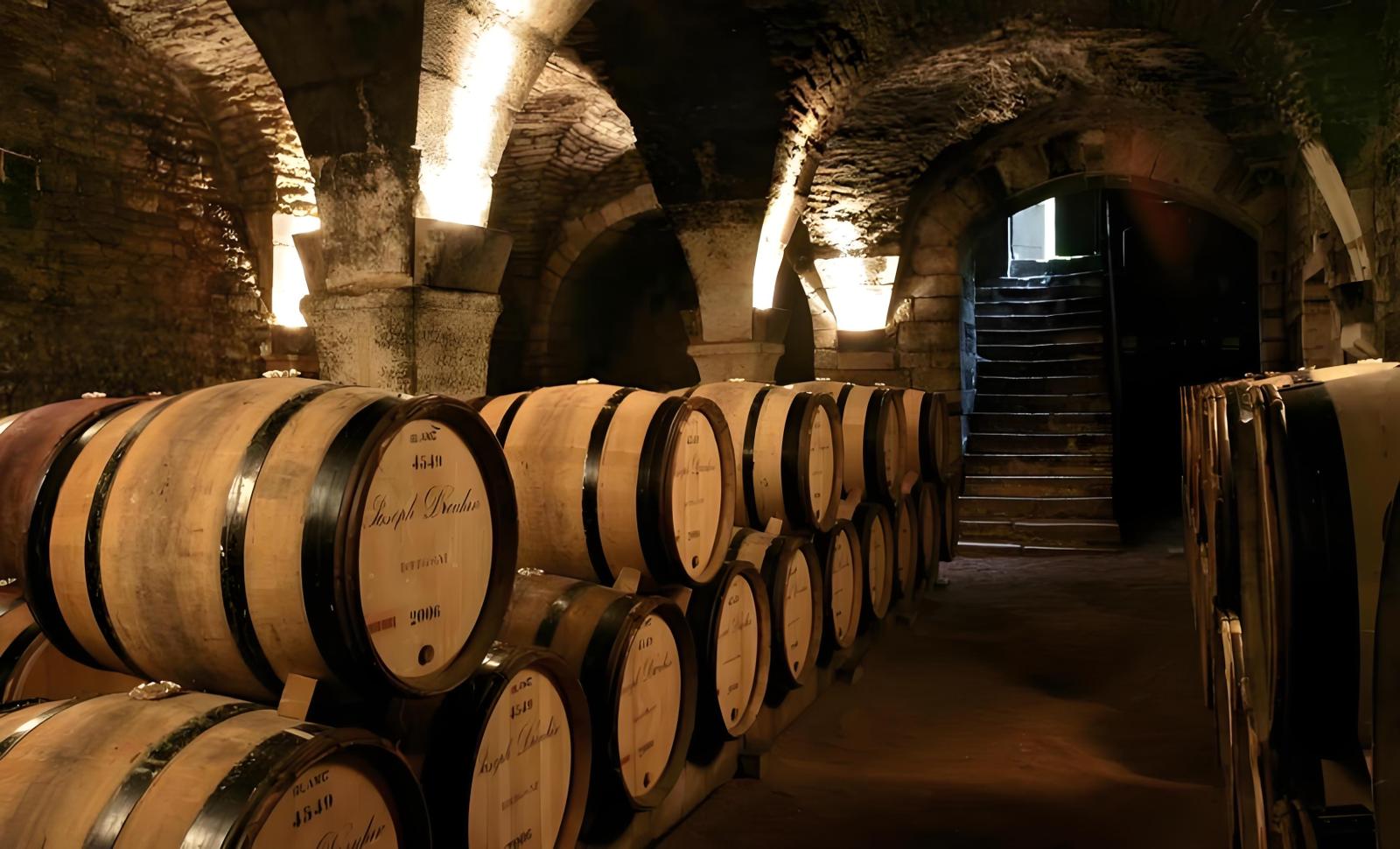
Buying a British winery
Project Description
I. Core Positioning of the UK Winery Market
The most distinctive features of the British winery market are its small scale, rapid growth, and focus on high-quality sparkling wines. The chalky soils of southern England, geologically contiguous with those of the Champagne region in France, provide ideal conditions for producing traditional French sparkling wines. The international reputation of British sparkling wines is rapidly growing, having repeatedly surpassed established French wineries in international blind tastings.
However, the UK wine market is facing a structural contradiction: production growth is far outpacing domestic consumer demand. The industry currently has approximately seven to eight years' worth of inventory, with about 551 TP3T of planted land yet to enter commercial production, and supply is expected to increase further. Most major producers remain unprofitable – Ridgeview lost £1.5 million in 2023, Gusbourne lost over £3 million in 2024, and Rathfinny lost £2.1 million annually. The core issue is not quality, but capital intensity: traditional sparkling wines require long aging periods before release, locking up significant cash flow in inventory.
II. Price Range and Regional Differences
The pricing structure of British wineries (vineyards) is influenced by factors such as plot location, soil quality, and whether they include winery facilities and equipment. Below are key market price parameters and examples from recent years:
Overall price benchmark:
• Price of bare land (land not planted with vines): Approximately £13,000–£20,000 per hectare (Savills February 2026 report, model assumptions)
• Commercial value of planted vineyards: £35,000–£40,000 per acre (approximately £86,500–£98,800 per hectare)
• Vineyard land values have increased by an average of approximately £10,000–£15,000 per acre over the past decade.
• Vineyard prices in Essex, England are US$120,000/hectare (approximately £93,000/hectare), comparable to prices in Marlborough, New Zealand.
Here are some examples of market prices:
Winery/Vineyard Location, Size, Features, Listing Price, Transaction Price
Muston Farm's 12-hectare (30-acre) vineyard in Dorset has received winery planning permission, including approximately 36 hectares of ancillary land, valued at over £1 million.
Chet Valley, Norfolk: 6.52 hectares of vineyards, winery and bottle cellar, plus a 3-bedroom house for £1.65 million.
Blackdon Farm, a 12-acre mature vineyard in Kent, produces 25,000-30,000 bottles annually, valued at £4.59 million.
Sedlescombe, East Sussex, is the UK's first organic biodynamic vineyard, including a visitor center and tasting area. Prices not disclosed.
Major grape-growing regions:
The vineyards are mainly concentrated in the warmer southern regions of England—Kent, Sussex, Hampshire, and Essex are particularly renowned worldwide for producing high-quality wines. The chalk/limestone soils of these areas share geological characteristics with those of the Champagne region of France, making them ideal for Chardonnay, Pinot Noir, and Pinot Meunier.
III. Business Model of Wineries
Category 1: Vineyard Only
This involves purchasing land and existing vines, but not owning the winemaking facilities. The buyer must either sign a contract with a third-party winemaker or sell the grapes to another winery. This model has a lower capital threshold but weaker control over profits.
Category 2: Vineyard + Winery
A complete operating unit, including vineyard land, wine production and aging facilities, storage warehouses, and tasting areas. This type of winery can start production immediately, creating a complete revenue stream. Muston Farm has already obtained planning permission for approximately 10,000 square feet of winery space, allowing the buyer to design and build. In terms of winemaking, according to industry models, building one hectare of vineyard requires a 20-year capital calculation (including 5% annual interest) and supporting facilities such as harvesters.
The third category: Integrated Wine Tourism Estate (vineyard + winery + tourist economy)
The most complete form also includes resort accommodations, wedding venues, and restaurant facilities, generating diversified revenue streams. These properties are more profitable but require extremely high management capabilities. However, events such as winery tastings and weddings require separate permits or temporary event notifications from local governments.
IV. Key Market Developments in 2026
1. Significant production growth. The warm and dry growing season in 2025 led to a substantial increase in production, with the French Food Safety Authority reporting a total output of 124,377 hectoliters (over 16.5 million bottles), an increase of 391 TP3T compared to 2024.
2. Changing consumer habits are leading to a decline in total consumption. Total wine consumption in the UK is projected to decline by approximately 111 million tons over the next five years, as the rise of low-alcohol and non-alcoholic beverages reshapes market demand.
3. Export dependence remains low. Approximately 921 TP3T of British wine is consumed domestically, while exports account for only about 81 TP3T, indicating significant potential for expansion into overseas markets, but this remains largely untapped.
4. Labor shortages and rising costs. Labor shortages, increased brewing taxes, VAT, employer national insurance, and packaging compliance costs now account for nearly half of the retail price.
5. APPR and BPR inheritance tax reforms (effective April 6, 2026). This is the most significant policy change for purchasing a UK winery. Agricultural property relief and business property relief are combined, with a maximum exemption of £1 million. Amounts exceeding this will only be eligible for a 50% exemption (effective tax rate 20%). This reform directly impacts winery succession planning across generations.
6. No new restrictions on foreign buyers. UK law does not impose any nationality restrictions on foreigners purchasing real estate (including agricultural and commercial properties), and no special government permission is required. However, the residential portion of a winery and its overall commercial operations must comply with general real estate regulations.
Project Description
I. Core Positioning of the UK Winery Market
The most distinctive features of the British winery market are its small scale, rapid growth, and focus on high-quality sparkling wines. The chalky soils of southern England, geologically contiguous with those of the Champagne region in France, provide ideal conditions for producing traditional French sparkling wines. The international reputation of British sparkling wines is rapidly growing, having repeatedly surpassed established French wineries in international blind tastings.
However, the UK wine market is facing a structural contradiction: production growth is far outpacing domestic consumer demand. The industry currently has approximately seven to eight years' worth of inventory, with about 551 TP3T of planted land yet to enter commercial production, and supply is expected to increase further. Most major producers remain unprofitable – Ridgeview lost £1.5 million in 2023, Gusbourne lost over £3 million in 2024, and Rathfinny lost £2.1 million annually. The core issue is not quality, but capital intensity: traditional sparkling wines require long aging periods before release, locking up significant cash flow in inventory.
II. Price Range and Regional Differences
The pricing structure of British wineries (vineyards) is influenced by factors such as plot location, soil quality, and whether they include winery facilities and equipment. Below are key market price parameters and examples from recent years:
Overall price benchmark:
• Price of bare land (land not planted with vines): Approximately £13,000–£20,000 per hectare (Savills February 2026 report, model assumptions)
• Commercial value of planted vineyards: £35,000–£40,000 per acre (approximately £86,500–£98,800 per hectare)
• Vineyard land values have increased by an average of approximately £10,000–£15,000 per acre over the past decade.
• Vineyard prices in Essex, England are US$120,000/hectare (approximately £93,000/hectare), comparable to prices in Marlborough, New Zealand.
Here are some examples of market prices:
Winery/Vineyard Location, Size, Features, Listing Price, Transaction Price
Muston Farm's 12-hectare (30-acre) vineyard in Dorset has received winery planning permission, including approximately 36 hectares of ancillary land, valued at over £1 million.
Chet Valley, Norfolk: 6.52 hectares of vineyards, winery and bottle cellar, plus a 3-bedroom house for £1.65 million.
Blackdon Farm, a 12-acre mature vineyard in Kent, produces 25,000-30,000 bottles annually, valued at £4.59 million.
Sedlescombe, East Sussex, is the UK's first organic biodynamic vineyard, including a visitor center and tasting area. Prices not disclosed.
Major grape-growing regions:
The vineyards are mainly concentrated in the warmer southern regions of England—Kent, Sussex, Hampshire, and Essex are particularly renowned worldwide for producing high-quality wines. The chalk/limestone soils of these areas share geological characteristics with those of the Champagne region of France, making them ideal for Chardonnay, Pinot Noir, and Pinot Meunier.
III. Business Model of Wineries
Category 1: Vineyard Only
This involves purchasing land and existing vines, but not owning the winemaking facilities. The buyer must either sign a contract with a third-party winemaker or sell the grapes to another winery. This model has a lower capital threshold but weaker control over profits.
Category 2: Vineyard + Winery
A complete operating unit, including vineyard land, wine production and aging facilities, storage warehouses, and tasting areas. This type of winery can start production immediately, creating a complete revenue stream. Muston Farm has already obtained planning permission for approximately 10,000 square feet of winery space, allowing the buyer to design and build. In terms of winemaking, according to industry models, building one hectare of vineyard requires a 20-year capital calculation (including 5% annual interest) and supporting facilities such as harvesters.
The third category: Integrated Wine Tourism Estate (vineyard + winery + tourist economy)
The most complete form also includes resort accommodations, wedding venues, and restaurant facilities, generating diversified revenue streams. These properties are more profitable but require extremely high management capabilities. However, events such as winery tastings and weddings require separate permits or temporary event notifications from local governments.
IV. Key Market Developments in 2026
1. Significant production growth. The warm and dry growing season in 2025 led to a substantial increase in production, with the French Food Safety Authority reporting a total output of 124,377 hectoliters (over 16.5 million bottles), an increase of 391 TP3T compared to 2024.
2. Changing consumer habits are leading to a decline in total consumption. Total wine consumption in the UK is projected to decline by approximately 111 million tons over the next five years, as the rise of low-alcohol and non-alcoholic beverages reshapes market demand.
3. Export dependence remains low. Approximately 921 TP3T of British wine is consumed domestically, while exports account for only about 81 TP3T, indicating significant potential for expansion into overseas markets, but this remains largely untapped.
4. Labor shortages and rising costs. Labor shortages, increased brewing taxes, VAT, employer national insurance, and packaging compliance costs now account for nearly half of the retail price.
5. APPR and BPR inheritance tax reforms (effective April 6, 2026). This is the most significant policy change for purchasing a UK winery. Agricultural property relief and business property relief are combined, with a maximum exemption of £1 million. Amounts exceeding this will only be eligible for a 50% exemption (effective tax rate 20%). This reform directly impacts winery succession planning across generations.
6. No new restrictions on foreign buyers. UK law does not impose any nationality restrictions on foreigners purchasing real estate (including agricultural and commercial properties), and no special government permission is required. However, the residential portion of a winery and its overall commercial operations must comply with general real estate regulations.
Eligibility & Requirements
Evaluate
I. Advantages
1. No nationality restrictions for foreign buyers – they are treated equally with British citizens. The UK does not impose legal nationality restrictions on foreign investors in wineries (including vineyards, winemaking facilities, and related commercial real estate), and no special government permission is required. Compared to French wineries requiring SAFER pre-emptive rights review and Chinese buyers in Austria and Poland needing government approval, the UK policy is the most open.
2. The international reputation of British sparkling wine continues to rise. British sparkling wines have won numerous international awards, consumers are willing to pay a premium, and the high-end brand positioning is becoming increasingly solidified. Furthermore, the prices of vineyards in southeast England are comparable to those in regions like Marlborough, New Zealand, and remain within a reasonable range, making them highly attractive to international buyers.
3. Climate change continues to benefit viticulture in the UK. Global warming is transforming southern England into a suitable region for grape growing, with annual production projected to reach 40 million bottles by 2040. Climate conditions in eastern England (such as Norfolk and Essex) may also become more favorable.
4. Mixed use can reduce stamp duty. Winery transactions often include agricultural land (vineyards), commercial buildings (wineries), and residential properties (farmhouses), most of which are non-residential and subject to commercial tax rates (0%–5%). Compared to purely residential transactions (maximum 15%), the stamp duty burden is significantly reduced.
5. The original 100% inheritance tax exemption under the APPR/BPR has been weakened, but a further reduction of 50% remains (effective tax rate 20%). From April 6, 2026, the combined agricultural and corporate property relief will have a maximum exemption of £1 million, with any amount exceeding this enjoying a 50% reduction, resulting in an effective tax rate of 20%. Furthermore, a 10-year installment payment plan is available (agricultural assets are typically interest-free). This is still relatively lenient than France's inheritance tax on non-lineal heirs (maximum 60%) and Germany's inheritance tax on foreign beneficiaries (maximum 50%).
6. A mature legal and property rights protection system. The UK's property registration system is transparent, allowing for title tracing and mortgage verification through the Land Registry. Lawyers can complete comprehensive planning permits and legal due diligence before exchanging contracts.
7. The wine tourism industry has great potential. Wine tourism in England is developing rapidly, and wineries can be transformed into multi-purpose operations such as resort hotels, wedding venues, and corporate event centers.
II. Major Risks and Costs
1. Significant one-time transaction costs. Stamp duty on winery transactions depends on the nature of the transaction:
Component Applicable Rules
Vineyard/agricultural land + winery, non-residential/mixed use, applicable commercial tax rates 0%–5% (progressive).
Farmhouse/Residential Property Tax Rates: 0.%–15.% (depending on property price and overseas buyer status)
The surcharge for overseas buyers is waived for the non-residential portion; an additional 2% will be charged on the residential portion (if the buyer has been in the UK for less than 183 days in the 12 months prior to the purchase).
For example, for a £2 million winery (including a £400,000 residential property), the non-residential commercial SDLT would be approximately £27,500, and the residential SDLT (including the 2% overseas surcharge) would be approximately £9,500, totaling approximately £37,000. In addition, legal, surveyor, and search fees (approximately £2,000–£5,000) and transaction reserves must be included.
2. The winery industry generally suffers from insufficient profitability. Most major British producers are still operating at a loss (major companies such as Rodney Davenport, Gusbourne, and Rathfinny all incurred losses in 2023 and 2024), due to reasons including: excessive capital intensity (conventional sparkling wines require long aging, resulting in a large amount of capital tied up in inventory); approximately 551 TP3T of vineyards have not yet been put into commercial production, and supply pressure will continue to be released; labor costs, wine taxes, etc., account for nearly half of the retail price.
3. High ongoing operating costs in viticulture and winemaking. Annual operating expenses for vineyards may include: vineyard maintenance (pruning, pest and disease control, irrigation); yield management (thinning, harvesting); winery operations (fermentation, aging, bottling, labeling); and marketing and distribution. Labor shortages and minimum wage increases in the UK continue to drive up production costs.
4. Impact of the new inheritance tax regulations. The APR/APR cap, effective April 6, 2026, will affect the intergenerational transfer of wineries. For example, for a winery worth £5 million, the first £1 million is exempt under the 100% tax rate (IHT is 0), while the portion exceeding £4 million is taxed at the 20% rate, resulting in a tax burden of £800,000. This may force the heir to sell the winery to pay the tax.
5. The planning permit system is extremely strict. Any new construction, alteration, or change of use (such as converting an agricultural building into a wine tasting room) requires local planning permission. Restrictions are even stricter within protected areas such as AONB (Australasian Landmarks) and national parks. Regarding the land's suitability for grape cultivation, the buyer must ensure that there are no restrictive conventions or third-party rights prohibiting the production or sale of alcohol.
6. Restrictions on Historic Preservation Buildings. Renovations of Grade I and II protected buildings require approval from local planning authorities, which may significantly increase renovation time and costs.
7. Agricultural leases cannot be terminated prematurely. If there are existing leases for the winery, the type of lease, remaining term, and tenant's rights must be carefully reviewed. Tenants may have the right to purchase under certain conditions.
8. Banks' cautious approach to agricultural loans. Because winemaking requires a long cash flow cycle, lenders often require higher down payments (30%–50%) for small wineries without stable income, with loan-to-value (LTV) typically between 50% and 70%. Foreigners are required to provide sufficient proof of funds.
9. Wine licensing compliance costs. As a winery operator, you must simultaneously meet the requirements for Vineyard Registration (FSA), Wine Production License (APPA), Wholesale Wine Registration (AWRS), and Retail License (if selling directly to the public). All vineyards larger than 0.1 hectares (approximately 0.25 acres) must be registered with the FSA within 6 months of planting.
I. Advantages
1. No nationality restrictions for foreign buyers – they are treated equally with British citizens. The UK does not impose legal nationality restrictions on foreign investors in wineries (including vineyards, winemaking facilities, and related commercial real estate), and no special government permission is required. Compared to French wineries requiring SAFER pre-emptive rights review and Chinese buyers in Austria and Poland needing government approval, the UK policy is the most open.
2. The international reputation of British sparkling wine continues to rise. British sparkling wines have won numerous international awards, consumers are willing to pay a premium, and the high-end brand positioning is becoming increasingly solidified. Furthermore, the prices of vineyards in southeast England are comparable to those in regions like Marlborough, New Zealand, and remain within a reasonable range, making them highly attractive to international buyers.
3. Climate change continues to benefit viticulture in the UK. Global warming is transforming southern England into a suitable region for grape growing, with annual production projected to reach 40 million bottles by 2040. Climate conditions in eastern England (such as Norfolk and Essex) may also become more favorable.
4. Mixed use can reduce stamp duty. Winery transactions often include agricultural land (vineyards), commercial buildings (wineries), and residential properties (farmhouses), most of which are non-residential and subject to commercial tax rates (0%–5%). Compared to purely residential transactions (maximum 15%), the stamp duty burden is significantly reduced.
5. The original 100% inheritance tax exemption under the APPR/BPR has been weakened, but a further reduction of 50% remains (effective tax rate 20%). From April 6, 2026, the combined agricultural and corporate property relief will have a maximum exemption of £1 million, with any amount exceeding this enjoying a 50% reduction, resulting in an effective tax rate of 20%. Furthermore, a 10-year installment payment plan is available (agricultural assets are typically interest-free). This is still relatively lenient than France's inheritance tax on non-lineal heirs (maximum 60%) and Germany's inheritance tax on foreign beneficiaries (maximum 50%).
6. A mature legal and property rights protection system. The UK's property registration system is transparent, allowing for title tracing and mortgage verification through the Land Registry. Lawyers can complete comprehensive planning permits and legal due diligence before exchanging contracts.
7. The wine tourism industry has great potential. Wine tourism in England is developing rapidly, and wineries can be transformed into multi-purpose operations such as resort hotels, wedding venues, and corporate event centers.
II. Major Risks and Costs
1. Significant one-time transaction costs. Stamp duty on winery transactions depends on the nature of the transaction:
Component Applicable Rules
Vineyard/agricultural land + winery, non-residential/mixed use, applicable commercial tax rates 0%–5% (progressive).
Farmhouse/Residential Property Tax Rates: 0.%–15.% (depending on property price and overseas buyer status)
The surcharge for overseas buyers is waived for the non-residential portion; an additional 2% will be charged on the residential portion (if the buyer has been in the UK for less than 183 days in the 12 months prior to the purchase).
For example, for a £2 million winery (including a £400,000 residential property), the non-residential commercial SDLT would be approximately £27,500, and the residential SDLT (including the 2% overseas surcharge) would be approximately £9,500, totaling approximately £37,000. In addition, legal, surveyor, and search fees (approximately £2,000–£5,000) and transaction reserves must be included.
2. The winery industry generally suffers from insufficient profitability. Most major British producers are still operating at a loss (major companies such as Rodney Davenport, Gusbourne, and Rathfinny all incurred losses in 2023 and 2024), due to reasons including: excessive capital intensity (conventional sparkling wines require long aging, resulting in a large amount of capital tied up in inventory); approximately 551 TP3T of vineyards have not yet been put into commercial production, and supply pressure will continue to be released; labor costs, wine taxes, etc., account for nearly half of the retail price.
3. High ongoing operating costs in viticulture and winemaking. Annual operating expenses for vineyards may include: vineyard maintenance (pruning, pest and disease control, irrigation); yield management (thinning, harvesting); winery operations (fermentation, aging, bottling, labeling); and marketing and distribution. Labor shortages and minimum wage increases in the UK continue to drive up production costs.
4. Impact of the new inheritance tax regulations. The APR/APR cap, effective April 6, 2026, will affect the intergenerational transfer of wineries. For example, for a winery worth £5 million, the first £1 million is exempt under the 100% tax rate (IHT is 0), while the portion exceeding £4 million is taxed at the 20% rate, resulting in a tax burden of £800,000. This may force the heir to sell the winery to pay the tax.
5. The planning permit system is extremely strict. Any new construction, alteration, or change of use (such as converting an agricultural building into a wine tasting room) requires local planning permission. Restrictions are even stricter within protected areas such as AONB (Australasian Landmarks) and national parks. Regarding the land's suitability for grape cultivation, the buyer must ensure that there are no restrictive conventions or third-party rights prohibiting the production or sale of alcohol.
6. Restrictions on Historic Preservation Buildings. Renovations of Grade I and II protected buildings require approval from local planning authorities, which may significantly increase renovation time and costs.
7. Agricultural leases cannot be terminated prematurely. If there are existing leases for the winery, the type of lease, remaining term, and tenant's rights must be carefully reviewed. Tenants may have the right to purchase under certain conditions.
8. Banks' cautious approach to agricultural loans. Because winemaking requires a long cash flow cycle, lenders often require higher down payments (30%–50%) for small wineries without stable income, with loan-to-value (LTV) typically between 50% and 70%. Foreigners are required to provide sufficient proof of funds.
9. Wine licensing compliance costs. As a winery operator, you must simultaneously meet the requirements for Vineyard Registration (FSA), Wine Production License (APPA), Wholesale Wine Registration (AWRS), and Retail License (if selling directly to the public). All vineyards larger than 0.1 hectares (approximately 0.25 acres) must be registered with the FSA within 6 months of planting.
Application Process & Advice
suggestion
I. Clarify the types and strategies of winery investment
Type, size/price range, suitable for buyer's core challenges
Vineyard investment (bare land + lease): 20–100 acres, £300,000–£1,000,000. Capital investors lack winemaking facilities, and their profits are squeezed by winemakers.
Operating wineries (vineyards + winery): 20–100 acres, £1 million–£5 million. Highly capital-intensive for professional winemaking investors; long profit cycle.
Integrated (winery + tourism economy) 20–100 acres, £3 million–£15 million professional operator + complex capital management, numerous approvals, extremely high start-up capital.
Lifestyle estates (small vineyards + residences) 5–20 acres, £500,000–£2,000,000. Profitability is difficult for lifestyle buyers; external income support is typically required.
II. Establishing a professional team
Purchasing a winery is far more complex than a typical real estate transaction and requires the hiring of the following professionals:
• A Conveyancing Solicitor/Agricultural Solicitor practicing in England and Wales: Responsible for title tracing (HMLR registry review), planning permit compliance review, lease agreement analysis, and comprehensive contract negotiation for the transfer of winery assets. This is an absolute prerequisite; do not rely on intermediaries or notaries.
• RICS Chartered Agricultural Surveyor/Viticultural Consultant: Assess soil quality and vine health, and provide independent valuations for winemaking facilities.
• Sommelier/Winemaker Consultant: Assess wine quality, market positioning, and brand value.
• Chartered Accountant (International Tax Specialist): Handles personal income tax returns for non-UK residents, constructs acquisition structures (individual/LLC/SPV), and plans capital gains tax and inheritance tax.
• Alcohol license consulting experts: Assist with FSA registration, APPA, AWRS and retail licenses to ensure compliant production and operation.
• Winery Business Consultant: Develop a 5-year business plan, assess cash flow projections, and financing options.
III. Budget Structure – Key Carryforward Capacity Forecast for British Wineries
Overall budget framework (using a £2 million winery as an example):
Recommendation on the proportion of the project cost to the purchase price
Purchase price from the winery (including agent commission): 70%–75%
Stamp Duty (SDLT): 1.51 TP3T–41 TP3T of the property price (mixed rates)
Legal fees + surveying + environmental search: £5,000 – £15,000 (fixed fee)
Initial repair/equipment capital purchase price: 10%–25% (depending on the degree of equipment aging).
Annual operating reserves (including compliance costs such as FSA registration) = 2%–5%/year of the purchase price
IV. Key Points of Due Diligence Inspection – Comprehensive Assessment Across Six Dimensions
Due diligence on wineries must go beyond standardized residential transactions and encompass six dimensions:
Due diligence dimensions and main content responsible party
Legal due diligence: HM Land Registry, title repatriation, mortgages and easements, restrictive conventions (such as bans on alcohol production), planning permit compliance; lawyer.
Agricultural/Vineyard Technical Assessment: Soil analysis, vine age and health status, pest and disease history, annual yield potential, agricultural surveyor.
Winemaking facility assessment: condition of winemaking equipment, barrels and aging facilities, storage conditions, asbestos and termite detection. Surveyor/winemaker.
Financial audit of years of financial statements, inventory valuation (especially unsold bottled sparkling wine), subsidy history, tax burden, and CPA.
Environmental risk assessment of water sources and water abstraction permits, flood risk (rainy areas in the UK), pesticide use compliance records, and environmental consultant.
Operational compliance FSA registration status, APPA license, AWRS registration, retail license consulting expert
V. Succession Planning After April 6, 2026
From April 6, 2026, the 100% exemption cap for agricultural and business property relief will be reduced to £1 million per person, and £2 million for couples combined. Strategy Recommendation:
• Living Plan: Gradually transfer winery shares to the next generation of immediate family members through a seven-year rule; after seven years, IHT is completely waived.
• Corporate ownership structure: Consider including the winery assets in a private limited company (LTD) using a corporate property relief (BPR) + trust structure.
• Utilize the tax exemption in advance: For immediate family members, use the Nil Rate Band (£325,000 exemption per person) annually through gifts or share transfers to continuously reduce the total value of the estate.
• Through SPV + Trust Structure: Design trust structures for foreign buyers to ensure the smooth transfer of winery assets.
• Combine with commercial continuation insurance: Ensure the heirs have liquidity to pay potential IHT bills and avoid being forced to sell the winery.
VI. Licensing Requirements for Alcohol Production and Sale
As a winery owner, you must obtain the following approvals to produce wine for sale:
• Approval for Production of Alcoholic Products (APPA): The most important license, replacing the previous separate registration requirements for different types of alcoholic beverages under a unified system. It must be obtained through HMRC's online service.
• Vineyard Registration (FSA): All vineyards larger than 0.1 hectares must be registered with the FSA within 6 months of planting.
• Annual production declaration: Submit a declaration form (WSB21 or WSB21b) for the production of wine and grape products in January each year.
• Alcohol Wholesalers Registration Scheme (AWRS): If you sell wine to businesses (B2B), you must register with HMRC.
• Retail license: If a tasting room sells directly to the public or hosts wedding events, it must apply for a venue license and individual license from the local council.
VII. Capital Gains Tax (CGT) Administration (Non-residents)
If a winery holds the following interests as a company: Non-residents selling UK land (including agricultural land) are subject to CGT, with tax rates of 18% (basic rate taxpayer) or 24% (higher rate taxpayer). In cases of foreign ownership, the tax rate may still be 24%, but a non-resident CGT declaration is required.
Strategy:
• Ensure compliant reporting, otherwise HMRC will impose penalties and late payment interest.
• Holding a property for more than 22 years before selling it may qualify for certain exemptions (depending on the winery's structure), but the flexibility is not as advantageous as in France for the long term.
VIII. Climate Change Adaptation and ESG Investment
UK industry funding is shifting from traditional agricultural models to natural capital and ESG investments:
• Consider establishing additional environmental cooperation projects (such as nature reserves and carbon sink forests) to increase diversified revenue streams while enabling partial tax deductions.
• Biodynamic/organic certified vineyards are gaining a market premium. The UK already has successful biodynamic organic benchmarks like Sedlescombe Vineyard.
Process of purchasing a British winery
UK winery transactions follow a unified two-stage system in England and Wales, consisting of two key stages: "Exchange" and "Completion." The transfer of ownership is finalized upon registration with the land registry. The following outlines the entire process for overseas buyers purchasing a winery.
Phase 1: Funding preparation, team building, and loan pre-approval (4–8 weeks)
• Determine the total budget (purchase price + estimated stamp duty rate + transaction reserve + initial working capital reserve).
• Assemble a professional team: property transfer lawyers (must be winery/agricultural law professionals), agricultural surveyors, accountants, and licensing consultants.
• If a bank loan (specific loan for farmland) is needed, contact UK lending institutions (Barclays Agriculture Department, Oxbury Bank, Hampshire Trust Bank, etc.) to obtain a loan in principle approval (MLIP/AIP).
• Prepare proof of funds and anti-money laundering (AML) documents: a lawyer-certified passport and address, bank statements to simplify subsequent AML checks.
• If you choose to hold the property in a company (LTD), ensure the company registration and bank account opening are completed before signing the contract.
Phase Two: Searching for wineries, conducting on-site inspections, and obtaining quotes (2–8 months)
• Search for winery information that is not publicly listed through high-end rural real estate agencies such as Savills, Knight Frank, and Strutt & Parker. These agencies all have dedicated wine real estate sections on their respective websites.
• Before conducting due diligence on listed wineries, it is recommended to visit them in different seasons (especially before and after harvest) to observe the health, yield, and ripeness of the vines.
• Hire a professional viticultural consultant and lawyer to inspect the condition of the vineyard, soil fertility, and winery equipment.
• Issue a written offer (Letter of Offer). The offer stage is usually not legally binding, and the seller may accept, reject, or counter-offer.
Phase 3: Sign the Heads of Terms and pay a deposit (optional but recommended)
• The two parties reached a consensus summary on key commercial terms (price, closing time, due diligence arrangements).
• The buyer pays a deposit of £10,000–£50,000 to the seller’s lawyer’s public account, which is refundable before the exchange of contracts (if the transaction is not completed).
• During the terms summary period, the seller typically grants the buyer an exclusive right for a period of time (lock-in period, usually 4–8 weeks).
Phase 4: Legal Due Diligence and Contract Review (6–12 weeks)
The lawyer proceeds at this stage:
• Title Investigation: Obtain the Title Register and Title Plan from HMLR to confirm the integrity of the title and check for any outstanding mortgages, easements (such as public walkways), and restrictive conventions (whether they prohibit the manufacture or sale of alcohol).
• Planning Permit Review: Verify the seller's existing planning permits (e.g., existing permits for vineyards, winemaking facilities, and tasting rooms); confirm the legality of wine production and retail activities. The lack of planning permits can result in substantial remediation costs.
• Environmental search: flood risk zoning, soil pollution history; water source and water abstraction permit validity.
• Vineyard registration status: Confirm that the seller has submitted vineyard registration and production declarations to the FSA on time to ensure compliance.
• Lease Agreement Investigation: If there are tenants, review the lease type (e.g., FBT farm business tenancy) and pay attention to the tenant's priority rights.
• Alcohol license compliance: Check the validity of APPA and AWRS status, and conduct a self-audit to check for any outstanding alcohol taxes or delayed tax payments.
• Employee due diligence: If the winery employs staff, assess the transfer of labor contracts, pensions, and tax liabilities.
• Review the purchase contract (Draft Contract): All findings will be reflected in the contract, and the lawyer needs to include appropriate clauses to protect the buyer (the seller can claim damages if they breach their promises).
Phase 5: Exchange of Contracts – A Sign that the Transaction is Locked In
This is the most crucial point where the transaction cannot be reversed:
• The buyer pays a deposit of 10% (usually 10% of the purchase price, and possibly 5% for commercial real estate) which is deposited by the buyer's lawyer into the seller's client account.
• Once the lawyers of both parties exchange copies of the signed contract by telephone, the contract becomes fully legally binding.
• Once the contracts are exchanged, neither party may withdraw from the transaction. If the buyer defaults, the entire deposit will be forfeited; if the seller defaults, double the deposit must be returned.
• The contract must specify a specific completion date, which is usually 4–12 weeks after the exchange.
Phase Six: Completion – Ownership and Physical Transfer
• The buyer's lawyer will transfer the full balance of the purchase price (minus the deposit already paid) to the seller's lawyer.
• The seller shall hand over the vacant winery on the Completion Date, including the keys, vineyards, winemaking equipment and related assets.
• Sign the final asset transfer deed.
• The buyer's lawyer submits an application for change of ownership registration to HMLR, which typically takes effect 2–6 weeks after completion.
Phase 7: Post-Completion Integration – License Changes, Subsidy Processing, and Operational Launch
• Submit updated information about APPA license holders to HMRC.
• Update the information of the vineyard registrant and contact person to the FSA.
• If you have already received government subsidies (such as CAP being replaced by agricultural subsidies in the ELMS program), you need to transfer your rights to the buyer or reapply for eligibility.
• Update bank account, employer registration, and wine inventory asset records.
• Start winery operations: such as maintaining distribution relationships with existing wine distributors and retaining key winemakers, sommeliers, and other management personnel.
Overall Time Frame
Estimated time for each stage
Financial preparation + professional team + loan pre-approval in 4-8 weeks
Searching for wineries + providing quotes + on-site visits takes 2–8 months (limited winery listings).
Terms summary signing/deposit 1–2 weeks
Legal due diligence + contract drafting (6–12 weeks)
Exchange of contracts 1 week
Contract exchange to completion: 4–12 weeks
Land Registry Registration: 4–8 weeks
From the initial offer to the final acquisition of ownership, the total time for non-EU buyers (whose status is not affected and who are purely commercial without additional licenses) is approximately 5–12 months; this may extend to 9–15 months if loan approval is slow or if due diligence uncovers complex historical issues.
I. Clarify the types and strategies of winery investment
Type, size/price range, suitable for buyer's core challenges
Vineyard investment (bare land + lease): 20–100 acres, £300,000–£1,000,000. Capital investors lack winemaking facilities, and their profits are squeezed by winemakers.
Operating wineries (vineyards + winery): 20–100 acres, £1 million–£5 million. Highly capital-intensive for professional winemaking investors; long profit cycle.
Integrated (winery + tourism economy) 20–100 acres, £3 million–£15 million professional operator + complex capital management, numerous approvals, extremely high start-up capital.
Lifestyle estates (small vineyards + residences) 5–20 acres, £500,000–£2,000,000. Profitability is difficult for lifestyle buyers; external income support is typically required.
II. Establishing a professional team
Purchasing a winery is far more complex than a typical real estate transaction and requires the hiring of the following professionals:
• A Conveyancing Solicitor/Agricultural Solicitor practicing in England and Wales: Responsible for title tracing (HMLR registry review), planning permit compliance review, lease agreement analysis, and comprehensive contract negotiation for the transfer of winery assets. This is an absolute prerequisite; do not rely on intermediaries or notaries.
• RICS Chartered Agricultural Surveyor/Viticultural Consultant: Assess soil quality and vine health, and provide independent valuations for winemaking facilities.
• Sommelier/Winemaker Consultant: Assess wine quality, market positioning, and brand value.
• Chartered Accountant (International Tax Specialist): Handles personal income tax returns for non-UK residents, constructs acquisition structures (individual/LLC/SPV), and plans capital gains tax and inheritance tax.
• Alcohol license consulting experts: Assist with FSA registration, APPA, AWRS and retail licenses to ensure compliant production and operation.
• Winery Business Consultant: Develop a 5-year business plan, assess cash flow projections, and financing options.
III. Budget Structure – Key Carryforward Capacity Forecast for British Wineries
Overall budget framework (using a £2 million winery as an example):
Recommendation on the proportion of the project cost to the purchase price
Purchase price from the winery (including agent commission): 70%–75%
Stamp Duty (SDLT): 1.51 TP3T–41 TP3T of the property price (mixed rates)
Legal fees + surveying + environmental search: £5,000 – £15,000 (fixed fee)
Initial repair/equipment capital purchase price: 10%–25% (depending on the degree of equipment aging).
Annual operating reserves (including compliance costs such as FSA registration) = 2%–5%/year of the purchase price
IV. Key Points of Due Diligence Inspection – Comprehensive Assessment Across Six Dimensions
Due diligence on wineries must go beyond standardized residential transactions and encompass six dimensions:
Due diligence dimensions and main content responsible party
Legal due diligence: HM Land Registry, title repatriation, mortgages and easements, restrictive conventions (such as bans on alcohol production), planning permit compliance; lawyer.
Agricultural/Vineyard Technical Assessment: Soil analysis, vine age and health status, pest and disease history, annual yield potential, agricultural surveyor.
Winemaking facility assessment: condition of winemaking equipment, barrels and aging facilities, storage conditions, asbestos and termite detection. Surveyor/winemaker.
Financial audit of years of financial statements, inventory valuation (especially unsold bottled sparkling wine), subsidy history, tax burden, and CPA.
Environmental risk assessment of water sources and water abstraction permits, flood risk (rainy areas in the UK), pesticide use compliance records, and environmental consultant.
Operational compliance FSA registration status, APPA license, AWRS registration, retail license consulting expert
V. Succession Planning After April 6, 2026
From April 6, 2026, the 100% exemption cap for agricultural and business property relief will be reduced to £1 million per person, and £2 million for couples combined. Strategy Recommendation:
• Living Plan: Gradually transfer winery shares to the next generation of immediate family members through a seven-year rule; after seven years, IHT is completely waived.
• Corporate ownership structure: Consider including the winery assets in a private limited company (LTD) using a corporate property relief (BPR) + trust structure.
• Utilize the tax exemption in advance: For immediate family members, use the Nil Rate Band (£325,000 exemption per person) annually through gifts or share transfers to continuously reduce the total value of the estate.
• Through SPV + Trust Structure: Design trust structures for foreign buyers to ensure the smooth transfer of winery assets.
• Combine with commercial continuation insurance: Ensure the heirs have liquidity to pay potential IHT bills and avoid being forced to sell the winery.
VI. Licensing Requirements for Alcohol Production and Sale
As a winery owner, you must obtain the following approvals to produce wine for sale:
• Approval for Production of Alcoholic Products (APPA): The most important license, replacing the previous separate registration requirements for different types of alcoholic beverages under a unified system. It must be obtained through HMRC's online service.
• Vineyard Registration (FSA): All vineyards larger than 0.1 hectares must be registered with the FSA within 6 months of planting.
• Annual production declaration: Submit a declaration form (WSB21 or WSB21b) for the production of wine and grape products in January each year.
• Alcohol Wholesalers Registration Scheme (AWRS): If you sell wine to businesses (B2B), you must register with HMRC.
• Retail license: If a tasting room sells directly to the public or hosts wedding events, it must apply for a venue license and individual license from the local council.
VII. Capital Gains Tax (CGT) Administration (Non-residents)
If a winery holds the following interests as a company: Non-residents selling UK land (including agricultural land) are subject to CGT, with tax rates of 18% (basic rate taxpayer) or 24% (higher rate taxpayer). In cases of foreign ownership, the tax rate may still be 24%, but a non-resident CGT declaration is required.
Strategy:
• Ensure compliant reporting, otherwise HMRC will impose penalties and late payment interest.
• Holding a property for more than 22 years before selling it may qualify for certain exemptions (depending on the winery's structure), but the flexibility is not as advantageous as in France for the long term.
VIII. Climate Change Adaptation and ESG Investment
UK industry funding is shifting from traditional agricultural models to natural capital and ESG investments:
• Consider establishing additional environmental cooperation projects (such as nature reserves and carbon sink forests) to increase diversified revenue streams while enabling partial tax deductions.
• Biodynamic/organic certified vineyards are gaining a market premium. The UK already has successful biodynamic organic benchmarks like Sedlescombe Vineyard.
Process of purchasing a British winery
UK winery transactions follow a unified two-stage system in England and Wales, consisting of two key stages: "Exchange" and "Completion." The transfer of ownership is finalized upon registration with the land registry. The following outlines the entire process for overseas buyers purchasing a winery.
Phase 1: Funding preparation, team building, and loan pre-approval (4–8 weeks)
• Determine the total budget (purchase price + estimated stamp duty rate + transaction reserve + initial working capital reserve).
• Assemble a professional team: property transfer lawyers (must be winery/agricultural law professionals), agricultural surveyors, accountants, and licensing consultants.
• If a bank loan (specific loan for farmland) is needed, contact UK lending institutions (Barclays Agriculture Department, Oxbury Bank, Hampshire Trust Bank, etc.) to obtain a loan in principle approval (MLIP/AIP).
• Prepare proof of funds and anti-money laundering (AML) documents: a lawyer-certified passport and address, bank statements to simplify subsequent AML checks.
• If you choose to hold the property in a company (LTD), ensure the company registration and bank account opening are completed before signing the contract.
Phase Two: Searching for wineries, conducting on-site inspections, and obtaining quotes (2–8 months)
• Search for winery information that is not publicly listed through high-end rural real estate agencies such as Savills, Knight Frank, and Strutt & Parker. These agencies all have dedicated wine real estate sections on their respective websites.
• Before conducting due diligence on listed wineries, it is recommended to visit them in different seasons (especially before and after harvest) to observe the health, yield, and ripeness of the vines.
• Hire a professional viticultural consultant and lawyer to inspect the condition of the vineyard, soil fertility, and winery equipment.
• Issue a written offer (Letter of Offer). The offer stage is usually not legally binding, and the seller may accept, reject, or counter-offer.
Phase 3: Sign the Heads of Terms and pay a deposit (optional but recommended)
• The two parties reached a consensus summary on key commercial terms (price, closing time, due diligence arrangements).
• The buyer pays a deposit of £10,000–£50,000 to the seller’s lawyer’s public account, which is refundable before the exchange of contracts (if the transaction is not completed).
• During the terms summary period, the seller typically grants the buyer an exclusive right for a period of time (lock-in period, usually 4–8 weeks).
Phase 4: Legal Due Diligence and Contract Review (6–12 weeks)
The lawyer proceeds at this stage:
• Title Investigation: Obtain the Title Register and Title Plan from HMLR to confirm the integrity of the title and check for any outstanding mortgages, easements (such as public walkways), and restrictive conventions (whether they prohibit the manufacture or sale of alcohol).
• Planning Permit Review: Verify the seller's existing planning permits (e.g., existing permits for vineyards, winemaking facilities, and tasting rooms); confirm the legality of wine production and retail activities. The lack of planning permits can result in substantial remediation costs.
• Environmental search: flood risk zoning, soil pollution history; water source and water abstraction permit validity.
• Vineyard registration status: Confirm that the seller has submitted vineyard registration and production declarations to the FSA on time to ensure compliance.
• Lease Agreement Investigation: If there are tenants, review the lease type (e.g., FBT farm business tenancy) and pay attention to the tenant's priority rights.
• Alcohol license compliance: Check the validity of APPA and AWRS status, and conduct a self-audit to check for any outstanding alcohol taxes or delayed tax payments.
• Employee due diligence: If the winery employs staff, assess the transfer of labor contracts, pensions, and tax liabilities.
• Review the purchase contract (Draft Contract): All findings will be reflected in the contract, and the lawyer needs to include appropriate clauses to protect the buyer (the seller can claim damages if they breach their promises).
Phase 5: Exchange of Contracts – A Sign that the Transaction is Locked In
This is the most crucial point where the transaction cannot be reversed:
• The buyer pays a deposit of 10% (usually 10% of the purchase price, and possibly 5% for commercial real estate) which is deposited by the buyer's lawyer into the seller's client account.
• Once the lawyers of both parties exchange copies of the signed contract by telephone, the contract becomes fully legally binding.
• Once the contracts are exchanged, neither party may withdraw from the transaction. If the buyer defaults, the entire deposit will be forfeited; if the seller defaults, double the deposit must be returned.
• The contract must specify a specific completion date, which is usually 4–12 weeks after the exchange.
Phase Six: Completion – Ownership and Physical Transfer
• The buyer's lawyer will transfer the full balance of the purchase price (minus the deposit already paid) to the seller's lawyer.
• The seller shall hand over the vacant winery on the Completion Date, including the keys, vineyards, winemaking equipment and related assets.
• Sign the final asset transfer deed.
• The buyer's lawyer submits an application for change of ownership registration to HMLR, which typically takes effect 2–6 weeks after completion.
Phase 7: Post-Completion Integration – License Changes, Subsidy Processing, and Operational Launch
• Submit updated information about APPA license holders to HMRC.
• Update the information of the vineyard registrant and contact person to the FSA.
• If you have already received government subsidies (such as CAP being replaced by agricultural subsidies in the ELMS program), you need to transfer your rights to the buyer or reapply for eligibility.
• Update bank account, employer registration, and wine inventory asset records.
• Start winery operations: such as maintaining distribution relationships with existing wine distributors and retaining key winemakers, sommeliers, and other management personnel.
Overall Time Frame
Estimated time for each stage
Financial preparation + professional team + loan pre-approval in 4-8 weeks
Searching for wineries + providing quotes + on-site visits takes 2–8 months (limited winery listings).
Terms summary signing/deposit 1–2 weeks
Legal due diligence + contract drafting (6–12 weeks)
Exchange of contracts 1 week
Contract exchange to completion: 4–12 weeks
Land Registry Registration: 4–8 weeks
From the initial offer to the final acquisition of ownership, the total time for non-EU buyers (whose status is not affected and who are purely commercial without additional licenses) is approximately 5–12 months; this may extend to 9–15 months if loan approval is slow or if due diligence uncovers complex historical issues.
0 Reviews
Loading reviews...
Unable to load reviews. Please try again later.
No reviews yet. Be the first to write a review!