Portugal buys winery
Migration Program Details & Application


Program Overview
Purchase a Portuguese winery
Project Description
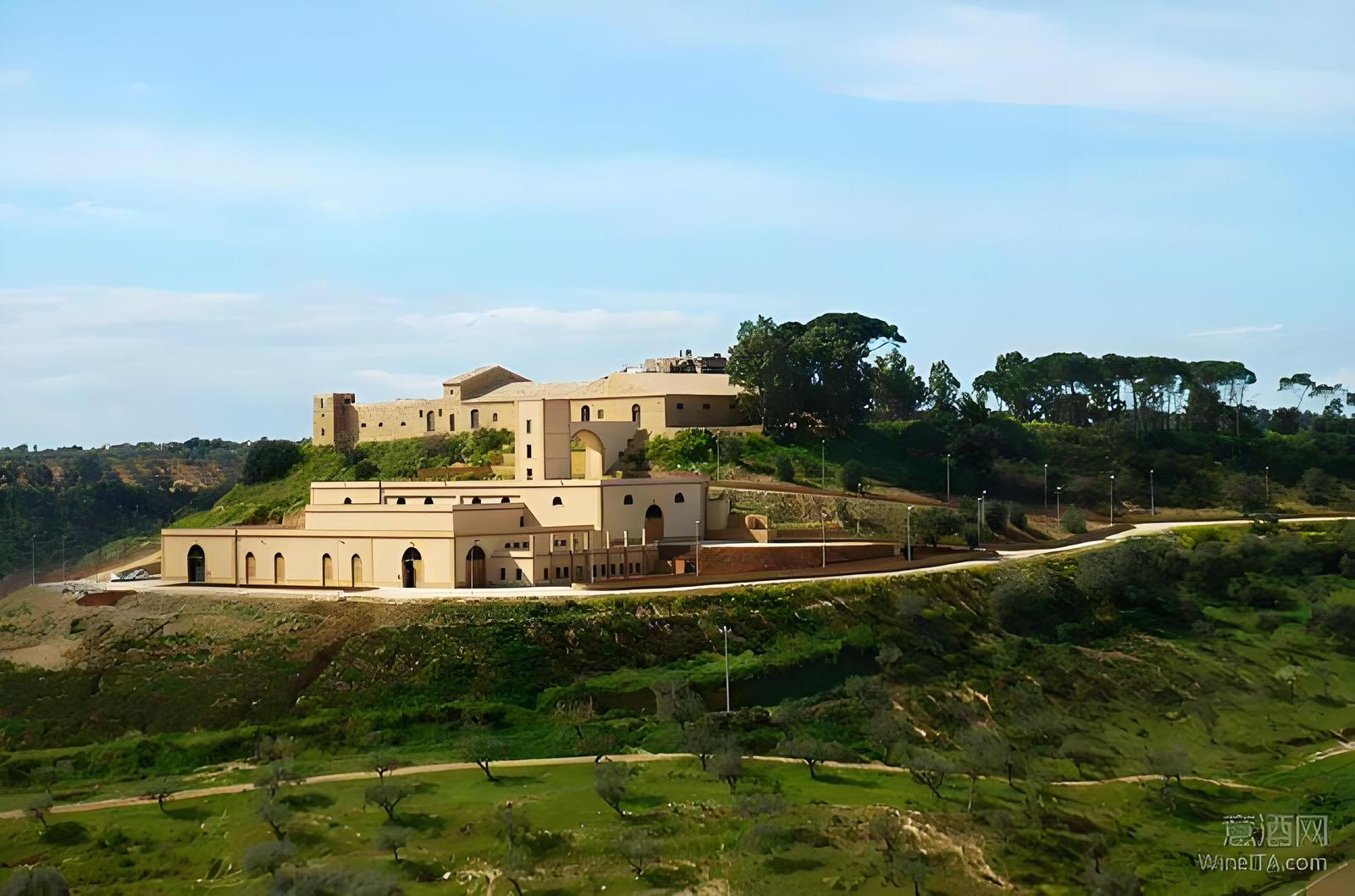
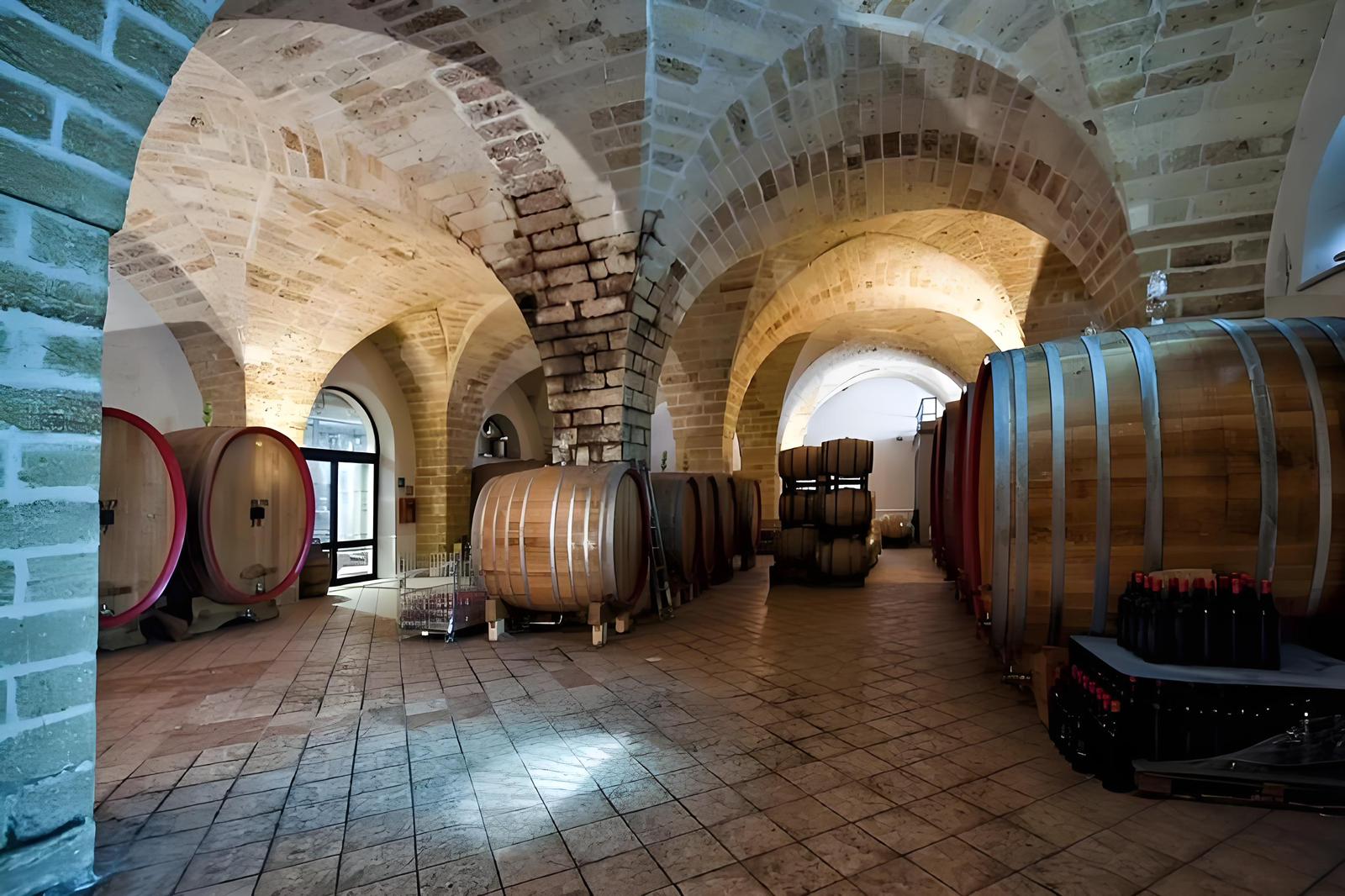
The core advantage of Portuguese wineries lies in their significantly lower entry prices compared to France and Italy, while simultaneously enjoying world-class reputations for wines from the Douro Valley (the world's oldest legally designated wine region, established in 1756) and Port. The market is currently polarized: small vineyards are priced around €200,000–€500,000, mid-range wineries are around €500,000–€2,000,000, and established wineries in the Douro Valley/Alentejo region are priced between €800,000 and €2,500,000.
Portuguese wine production is projected to decline by approximately 141 TP3T–201 TP3T in 2025, the lowest level in the past decade. Slowing consumer demand coupled with inventory pressure will lead to greater room for price negotiation among wineries in 2026, resulting in a clear buyer's market.
Major wine regions: Douro Valley (highest reputation, strong tourism), Alentejo (large estates, good value), Vinho Verde/Douaud/Bailada (small to medium-sized entry-level wines), Lisbon and Algarve (tourism-related revenue).
Project Description
The core advantage of Portuguese wineries lies in their significantly lower entry prices compared to France and Italy, while simultaneously enjoying world-class reputations for wines from the Douro Valley (the world's oldest legally designated wine region, established in 1756) and Port. The market is currently polarized: small vineyards are priced around €200,000–€500,000, mid-range wineries are around €500,000–€2,000,000, and established wineries in the Douro Valley/Alentejo region are priced between €800,000 and €2,500,000.
Portuguese wine production is projected to decline by approximately 141 TP3T–201 TP3T in 2025, the lowest level in the past decade. Slowing consumer demand coupled with inventory pressure will lead to greater room for price negotiation among wineries in 2026, resulting in a clear buyer's market.
Major wine regions: Douro Valley (highest reputation, strong tourism), Alentejo (large estates, good value), Vinho Verde/Douaud/Bailada (small to medium-sized entry-level wines), Lisbon and Algarve (tourism-related revenue).
Eligibility & Requirements
Evaluate
Advantages:
1. No nationality restrictions for foreign buyers – Portuguese law does not restrict foreign investment in land and real estate (including agricultural land), requires no special government permission, and treats foreign buyers as equals to Portuguese citizens.
2. No SAFER-style right of first refusal – Unlike the French winery transactions which require SAFER approval, Portugal lacks a similarly strong intervention mechanism;
3. Transparent transaction process – The land registration system is mature, ownership registration is clear and verifiable, and easements/mortgages can be verified in advance;
4. Relatively low transaction costs: IMT municipal real estate transfer tax (6%–8%, lower for rural properties) + stamp duty 0.8% + notary and land registration fees totaling approximately 0.5%–1%, with total surcharges of approximately 6%–8%, excluding annual holding tax;
5. Diversified Revenue Streams: Wine sales + tourism (tasting rooms, accommodations, weddings) + CAP EU agricultural subsidies. Alentejo also has additional revenue from cork, olives, and other agricultural products.
6. Extremely low property tax burden – annual tax rates for rural properties are only about 0.31 TP3T–0.451 TP3T, far lower than in France (0.21 TP3T–1.21 TP3T) and the UK. Inheritance by immediate family members is completely exempt from estate tax (estate tax is levied only on non-immediate heirs at 101 TP3T).
Key risks and costs:
1. Starting in October 2023, Portugal officially abolished the Golden Visa for real estate investment, meaning that purchasing a winery no longer directly grants residency rights;
2. Restrictions on the renovation of historic buildings are extremely strict. If a castle or manor is listed as a public interest monument, any renovation must be approved item by item by the Portuguese Cultural Affairs Bureau, and the construction cost can be 30%–70% higher than that of ordinary buildings.
3. Non-EU residents must apply for CAP agricultural subsidies through a locally registered business entity; individuals cannot apply directly and must establish a Sociedade Agrícola.
4. The NHR system will be abolished in 2025 and replaced by IFICI (NHR 2.0): Starting in 2025, the old version of the non-habitual resident tax incentive will be officially discontinued. The new system is the "Technological Innovation Tax Incentive", which will significantly narrow its scope to "high value-added" activities such as science and technology/R&D, making it difficult for ordinary winery operators to enjoy.
5. Extreme weather (downy mildew, drought, extreme heat) significantly affects the stability of vineyard yields and annual income;
6. Winery operations require annual returns to be handled by a local registered accountant, increasing administrative costs; non-resident buyers must apply for a Portuguese tax number (NIF) in advance, which takes approximately 2–4 weeks.
Advantages:
1. No nationality restrictions for foreign buyers – Portuguese law does not restrict foreign investment in land and real estate (including agricultural land), requires no special government permission, and treats foreign buyers as equals to Portuguese citizens.
2. No SAFER-style right of first refusal – Unlike the French winery transactions which require SAFER approval, Portugal lacks a similarly strong intervention mechanism;
3. Transparent transaction process – The land registration system is mature, ownership registration is clear and verifiable, and easements/mortgages can be verified in advance;
4. Relatively low transaction costs: IMT municipal real estate transfer tax (6%–8%, lower for rural properties) + stamp duty 0.8% + notary and land registration fees totaling approximately 0.5%–1%, with total surcharges of approximately 6%–8%, excluding annual holding tax;
5. Diversified Revenue Streams: Wine sales + tourism (tasting rooms, accommodations, weddings) + CAP EU agricultural subsidies. Alentejo also has additional revenue from cork, olives, and other agricultural products.
6. Extremely low property tax burden – annual tax rates for rural properties are only about 0.31 TP3T–0.451 TP3T, far lower than in France (0.21 TP3T–1.21 TP3T) and the UK. Inheritance by immediate family members is completely exempt from estate tax (estate tax is levied only on non-immediate heirs at 101 TP3T).
Key risks and costs:
1. Starting in October 2023, Portugal officially abolished the Golden Visa for real estate investment, meaning that purchasing a winery no longer directly grants residency rights;
2. Restrictions on the renovation of historic buildings are extremely strict. If a castle or manor is listed as a public interest monument, any renovation must be approved item by item by the Portuguese Cultural Affairs Bureau, and the construction cost can be 30%–70% higher than that of ordinary buildings.
3. Non-EU residents must apply for CAP agricultural subsidies through a locally registered business entity; individuals cannot apply directly and must establish a Sociedade Agrícola.
4. The NHR system will be abolished in 2025 and replaced by IFICI (NHR 2.0): Starting in 2025, the old version of the non-habitual resident tax incentive will be officially discontinued. The new system is the "Technological Innovation Tax Incentive", which will significantly narrow its scope to "high value-added" activities such as science and technology/R&D, making it difficult for ordinary winery operators to enjoy.
5. Extreme weather (downy mildew, drought, extreme heat) significantly affects the stability of vineyard yields and annual income;
6. Winery operations require annual returns to be handled by a local registered accountant, increasing administrative costs; non-resident buyers must apply for a Portuguese tax number (NIF) in advance, which takes approximately 2–4 weeks.
Application Process & Advice
suggestion
1. Prioritize mid-range wineries with stable vineyard ages and complete winemaking equipment, and avoid projects that are in ruins and require expensive renovations; for those who are only investing in assets, investing in bare vineyards with existing leases (such as those with long-term tenants) is the preferred option with low management barriers.
2. Currently in a buyer's negotiation window – due to industry inventory backlog and slowing demand, there is considerable room for negotiation on winery prices in 2026, especially in the Douro Valley and Alentejo region;
3. Assemble a professional team: Portuguese real estate lawyers + independent winemaking consultants + local certified public accountants (Contabilista Certificado) – the lawyers are responsible for land register title searches (30-year retrospective), easement verification, and investigations into the permit status of historic buildings;
4. Be sure to apply for a National Interest Number (NIF) in advance: All non-resident buyers must obtain an NIF before signing the contract, which usually takes 2–4 weeks and is handled by a lawyer.
5. Budget Allocation: In addition to the purchase price, an additional 6%–8% of transaction surcharges + 15%–35% of equipment renovation/initial capital expenditures + 15%–30% of multi-year operating reserves are reserved;
6. Golden visas can no longer be obtained through wineries. Those who intend to stay long-term must switch to the D2 Entrepreneur visa (suitable for active farm owners) or the D7 Passive Income visa.
7. It is advisable to hold the shares for more than 5 years before exiting to avoid facing higher capital gains tax if sold in a short period of time.
Process of purchasing a Portuguese winery
Step 1: Preparation Phase (4–12 weeks)
Determine the total budget, assemble a professional team, apply for an NIF (tax number) through a lawyer, and open a Portuguese bank account.
Step 2: Search for wineries, conduct on-site visits, and obtain quotes (2–8 months)
Screening should be done through professional real estate agencies and other channels; an independent winemaking consultant must be hired to assess the vineyard (soil, vine age, equipment condition, disease history). A written quotation (not legally binding) must be issued.
Step 3: Signing the CPCV (Contract for Purchase Commitment) – Deposit + Due Diligence (6–12 weeks)
Both parties sign a “Purchase Commitment Agreement” (Contrato de Promessa de Compra e Venda), which clearly states the transaction price, closing date, and preconditions; the buyer pays a deposit of 10%–20%, which is managed in an escrow account by a lawyer or intermediary.
The lawyer will also handle the following: obtaining the land register and confirming the absence of mortgages or easements; checking the historical preservation status; and reviewing the transfer of CAP subsidies and tax registration status. If the vineyard has an existing lease (arrendamento rural), the lease terms and the tenant's right of first refusal must be verified.
Step 4: Sign the final notarized deed (Escritura Pública)
The buyer and seller sign documents in person at a Portuguese notary's office, presenting valid passports and NIF documents. The buyer pays the remaining purchase price, and the notary pays the IMT (municipal property tax) and stamp duty (0.8%) on their behalf. The notary fee is approximately €500–€1,000. Ownership is legally transferred upon signing.
Step 5: Land Registration
The notary will submit the final contract to the land registry (Conservatória do Registo Predial), and after registration is completed, the buyer will receive the official land certificate.
The total timeframe is approximately 5–12 months (this may extend to 9–15 months due to historical protection reviews, bank loans, or CAP subsidy transfers). Compared to the mandatory approval system of France's SAFER, the Portuguese process does not involve a review of the agricultural agency's right of first refusal (No SAFER), resulting in a shorter overall timeframe and lower compliance costs.
1. Prioritize mid-range wineries with stable vineyard ages and complete winemaking equipment, and avoid projects that are in ruins and require expensive renovations; for those who are only investing in assets, investing in bare vineyards with existing leases (such as those with long-term tenants) is the preferred option with low management barriers.
2. Currently in a buyer's negotiation window – due to industry inventory backlog and slowing demand, there is considerable room for negotiation on winery prices in 2026, especially in the Douro Valley and Alentejo region;
3. Assemble a professional team: Portuguese real estate lawyers + independent winemaking consultants + local certified public accountants (Contabilista Certificado) – the lawyers are responsible for land register title searches (30-year retrospective), easement verification, and investigations into the permit status of historic buildings;
4. Be sure to apply for a National Interest Number (NIF) in advance: All non-resident buyers must obtain an NIF before signing the contract, which usually takes 2–4 weeks and is handled by a lawyer.
5. Budget Allocation: In addition to the purchase price, an additional 6%–8% of transaction surcharges + 15%–35% of equipment renovation/initial capital expenditures + 15%–30% of multi-year operating reserves are reserved;
6. Golden visas can no longer be obtained through wineries. Those who intend to stay long-term must switch to the D2 Entrepreneur visa (suitable for active farm owners) or the D7 Passive Income visa.
7. It is advisable to hold the shares for more than 5 years before exiting to avoid facing higher capital gains tax if sold in a short period of time.
Process of purchasing a Portuguese winery
Step 1: Preparation Phase (4–12 weeks)
Determine the total budget, assemble a professional team, apply for an NIF (tax number) through a lawyer, and open a Portuguese bank account.
Step 2: Search for wineries, conduct on-site visits, and obtain quotes (2–8 months)
Screening should be done through professional real estate agencies and other channels; an independent winemaking consultant must be hired to assess the vineyard (soil, vine age, equipment condition, disease history). A written quotation (not legally binding) must be issued.
Step 3: Signing the CPCV (Contract for Purchase Commitment) – Deposit + Due Diligence (6–12 weeks)
Both parties sign a “Purchase Commitment Agreement” (Contrato de Promessa de Compra e Venda), which clearly states the transaction price, closing date, and preconditions; the buyer pays a deposit of 10%–20%, which is managed in an escrow account by a lawyer or intermediary.
The lawyer will also handle the following: obtaining the land register and confirming the absence of mortgages or easements; checking the historical preservation status; and reviewing the transfer of CAP subsidies and tax registration status. If the vineyard has an existing lease (arrendamento rural), the lease terms and the tenant's right of first refusal must be verified.
Step 4: Sign the final notarized deed (Escritura Pública)
The buyer and seller sign documents in person at a Portuguese notary's office, presenting valid passports and NIF documents. The buyer pays the remaining purchase price, and the notary pays the IMT (municipal property tax) and stamp duty (0.8%) on their behalf. The notary fee is approximately €500–€1,000. Ownership is legally transferred upon signing.
Step 5: Land Registration
The notary will submit the final contract to the land registry (Conservatória do Registo Predial), and after registration is completed, the buyer will receive the official land certificate.
The total timeframe is approximately 5–12 months (this may extend to 9–15 months due to historical protection reviews, bank loans, or CAP subsidy transfers). Compared to the mandatory approval system of France's SAFER, the Portuguese process does not involve a review of the agricultural agency's right of first refusal (No SAFER), resulting in a shorter overall timeframe and lower compliance costs.
0 Reviews
Loading reviews...
Unable to load reviews. Please try again later.
No reviews yet. Be the first to write a review!